Canada launches finance taxonomy to steer USD$115B into climate investment
The initiative mirrors similar systems already in place across roughly 60 countries
 Joseph Morton
Canada is moving to formalize how investors identify climate-friendly projects, launching a long-awaited sustainable finance taxonomy aimed at steering billions toward a low-carbon economy.
Seven years after the concept first emerged, officials have taken initial steps to establish the classification system. Announced earlier this month, the framework will label investments as either “green” or “transition,” helping markets distinguish between low-emission projects and those shifting toward cleaner operations.
Additionally, policymakers expect the system to improve clarity for investors navigating climate-related opportunities.
The initiative mirrors similar systems already in place across roughly 60 countries. Furthermore, Canada hopes to remain competitive as global capital increasingly targets climate-aligned assets. Marlene Puffer, who chairs the new governance council, said the country must send clearer signals to attract investment. She indicated the taxonomy could help draw roughly USD$115 billion in annual capital needed for the transition.
The federal government will fund the council, although it will operate independently from Ottawa. Meanwhile, the group includes representatives from finance, academia and climate advocacy organizations. It plans to finalize criteria for three sectors by the end of 2026, with three additional sectors expected the following year.
However, the timeline suggests limited short-term impact. The taxonomy will not immediately influence major infrastructure decisions under federal review. Instead, its role will likely expand as the energy transition accelerates into the late 2020s and early 2030s. Consequently, its long-term value may outweigh its early-stage limitations.
Read more: Plug Power delivers electrolyzer system for major European hydrogen project
Read more: Trump pushes nuclear reactors in space with 2030 moon target
Taxonomy will classify investments based on emissions
The classification system aims to reduce confusion around climate claims. Patricia Fletcher of the Responsible Investment Association said clearer definitions will help investors identify what qualifies as green or transitional. Additionally, she noted the system could address concerns about greenwashing by standardizing how funds present environmental claims.
Europe’s experience offers a useful comparison. The European Union’s taxonomy has already helped channel significant investment into climate-aligned projects. EU-aligned investments reached €273 billion in 2024, bringing the total to €742 billion since 2022. Moreover, research shows companies aligned with the taxonomy often trade at a premium compared to others.
Canada first proposed the taxonomy in 2019 through a federal expert panel. Subsequently, a roadmap followed in 2022, outlining how the system could take shape. The government later transferred responsibility to the Canadian Climate Institute and the independent council, which now oversees development.
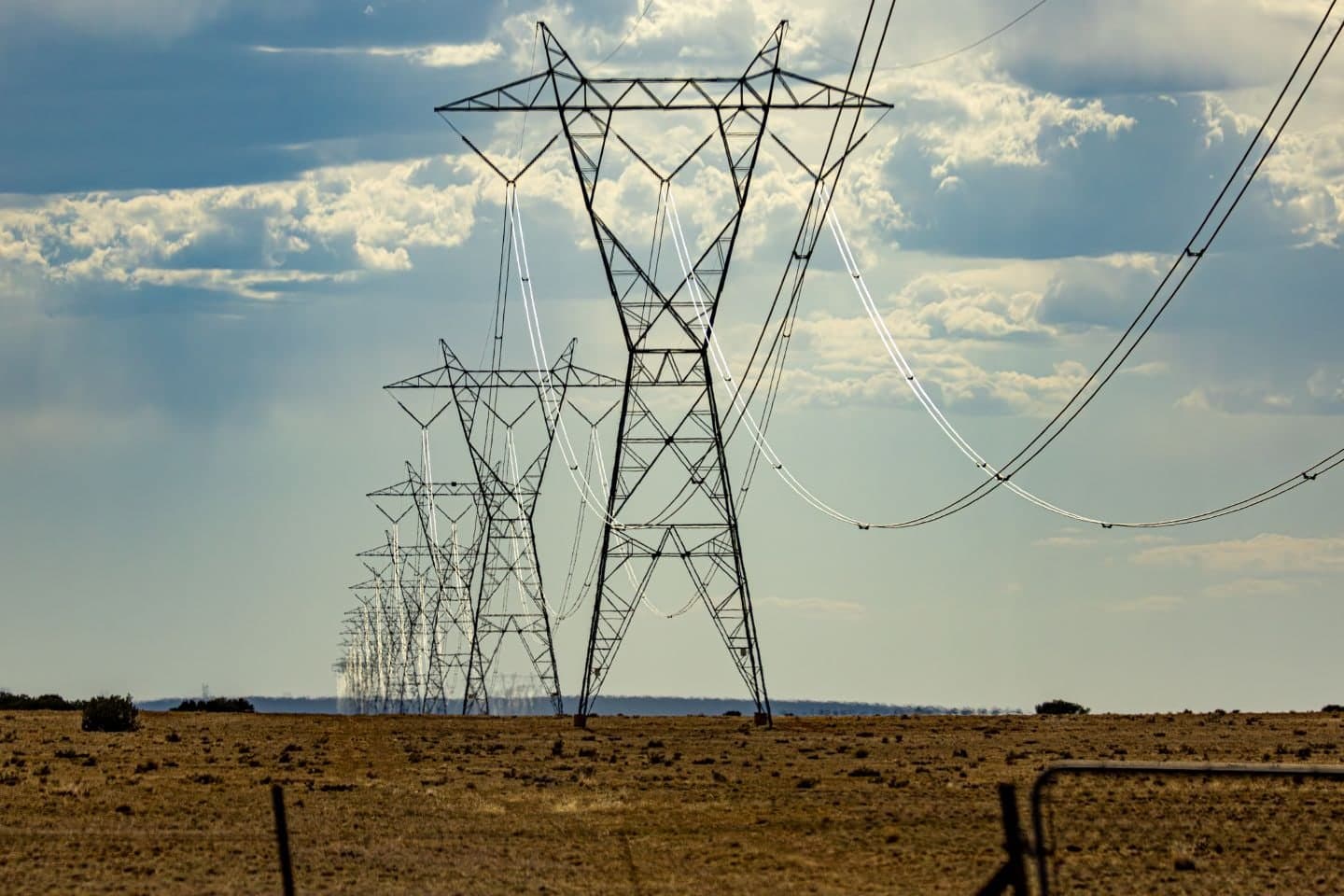
The taxonomy will classify investments based on emissions and alignment with global climate targets. Green-labelled activities will include projects consistent with limiting warming to 1.5°C under the Paris Agreement. Examples include renewable energy, hydrogen production and electricity transmission systems. In addition, transition-labelled activities will cover industries shifting away from high emissions.
Certain sectors will play a central role in the framework. These include electricity, transportation, buildings, agriculture, manufacturing and extractive industries. Meanwhile, the council retains flexibility and may refine sector definitions as it builds the taxonomy.
Natural gas remains one of the most contentious issues. The European Union classifies gas as a transitional fuel under strict conditions. However, Canadian officials have not confirmed whether liquefied natural gas or carbon capture systems will receive similar treatment. Climate groups argue these technologies risk locking in long-term emissions.
.