MIT continues advancing 'PlasmoSniff' pneumonia breath test
The prestigious school is one of a select few active with breath sampling tech for this infection
 Rowan Dunne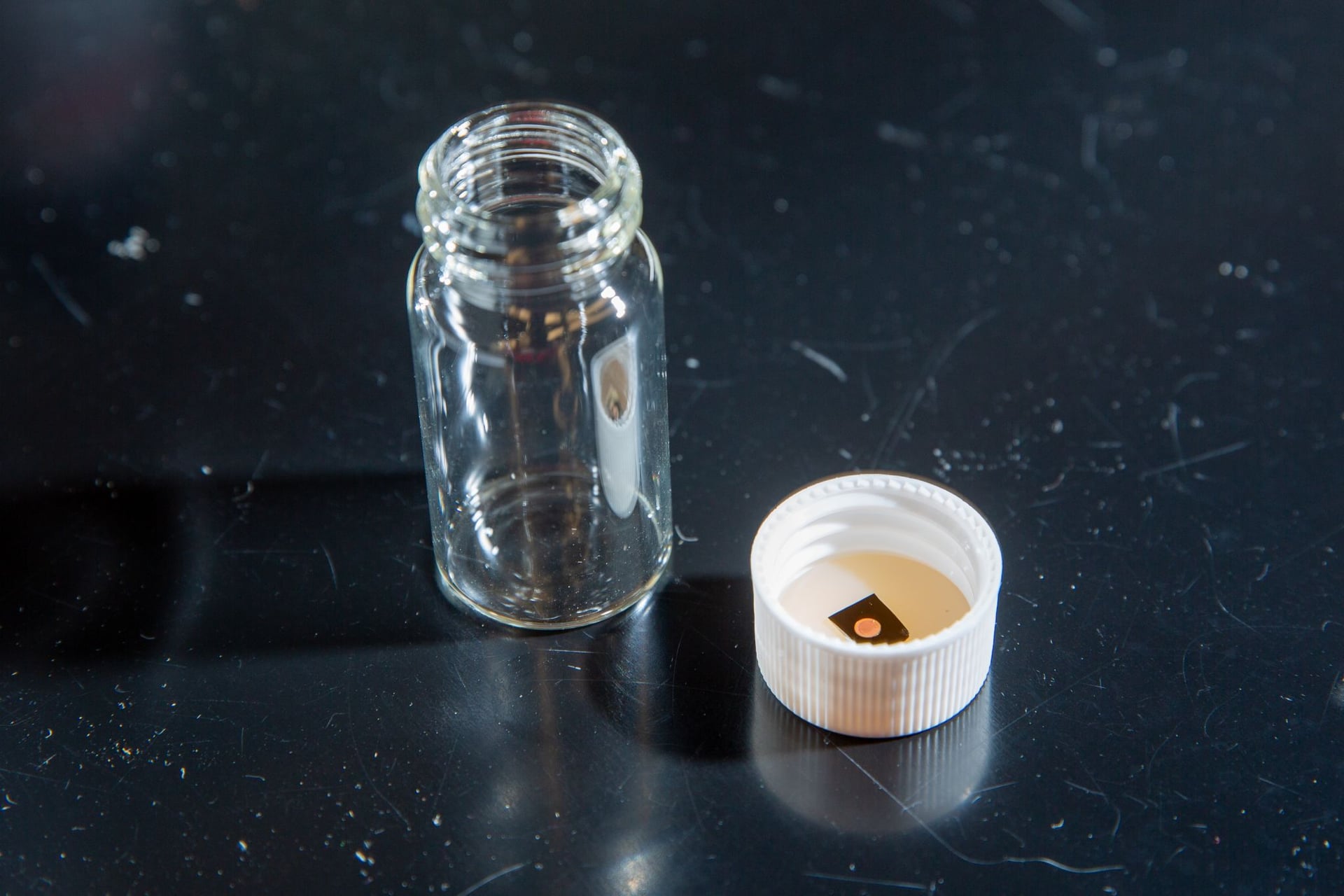
A wave of innovation is sweeping through the medical research community as companies and institutions find solutions to lung diseases and infections by analysing what patients exhale. Breath testing offers a non-invasive window into the body’s chemistry, promising faster detection than traditional screening tools.
The Massachusetts Institute of Technology (MIT) has driven considerable progress this year on a pneumonia breath testing system. Engineers at the prominent school developed “PlasmoSniff,” a compact, chip-scale sensor that detects the condition quickly and simply.
Patients inhale special nanoparticles carrying synthetic tags. In pneumonia, enzymes linked to the infection snip these tags free. Patients exhale the freed tags, which the sensor traps in a tiny nanogap. There, plasmonics and Raman spectroscopy tech amplify light signals to identify the tags even at very low levels. The whole process works in minutes without bulky lab equipment or X-rays.
Looking ahead, MIT plans to integrate the technology into a handheld device paired with a simple breath mask or collection system. The goal is point-of-care or even home use that delivers results fast, improves access in clinics worldwide and expands to other lung conditions, infections or environmental pollutants. Researchers aim to make diagnosis quicker, cheaper and far less stressful for patients while maintaining high accuracy.
“Unlike other volatile capturing agents, it is optically transparent in the spectral fingerprint region,” highlighted MIT researcher Loza Tadesse recently, “enabling ultra-sensitive, high signal-to-noise detection of parts per billion volatile concentrations.”
MIT stands among a small group of organisations advancing pneumonia breath testing. Detect-ION is pushing forward with its CLARION platform, a miniaturised gas chromatograph-mass spectrometer instrument that analyses volatile compounds in breath within minutes. The company partners with Mayo Clinic Florida to target Pseudomonas aeruginosa, a major pneumonia cause in vulnerable patients such as lung transplant recipients.
Maryland’s Zeteo Tech has been developing BreathBiomics, which captures breath aerosols and uses mass spectrometry to diagnose lower respiratory tract infections, including pneumonia. This system distinguishes bacterial from viral causes, spots active infections and supports better antibiotic decisions. Another, Exhalon, evaluates volatile organic compound analysis in exhaled breath for rapid lower respiratory infection detection, supported by major grants to speed up non-invasive testing.
In Kentucky, Breath Diagnostics recently earned FDA Breakthrough Device Designation for its OneBreath platform. This tool analyses volatile compounds from a single pre-operative breath sample using patented microreactor capture and liquid chromatography-mass spectrometry. It helps identify adult cardiac surgery patients at higher risk of postoperative pneumonia, enabling better preparation and care.
Breath analysis has proven itself valuable beyond this particular type of infection. Its screening applicability spans from lung cancer and respiratory infections like pneumonia to diabetes, other cancers and stomach conditions.
Read more: Breath Diagnostics advances pre-op pneumonia screening with FDA breakthrough designation
Follow Rowan Dunne on LinkedIn
rowan@mugglehead.com