Mako Mining drilling expands gold footprint at Nicaragua project
Results suggest the mineralized footprint continues to expand along strike and at depth
 Joseph Morton
Mako Mining Corp. NASDAQMAKO CVEMKO reported high-grade drill results, including 29.18 grams per tonne gold over 5.1 metres in separate zones at its gold mining project in Nicaragua.
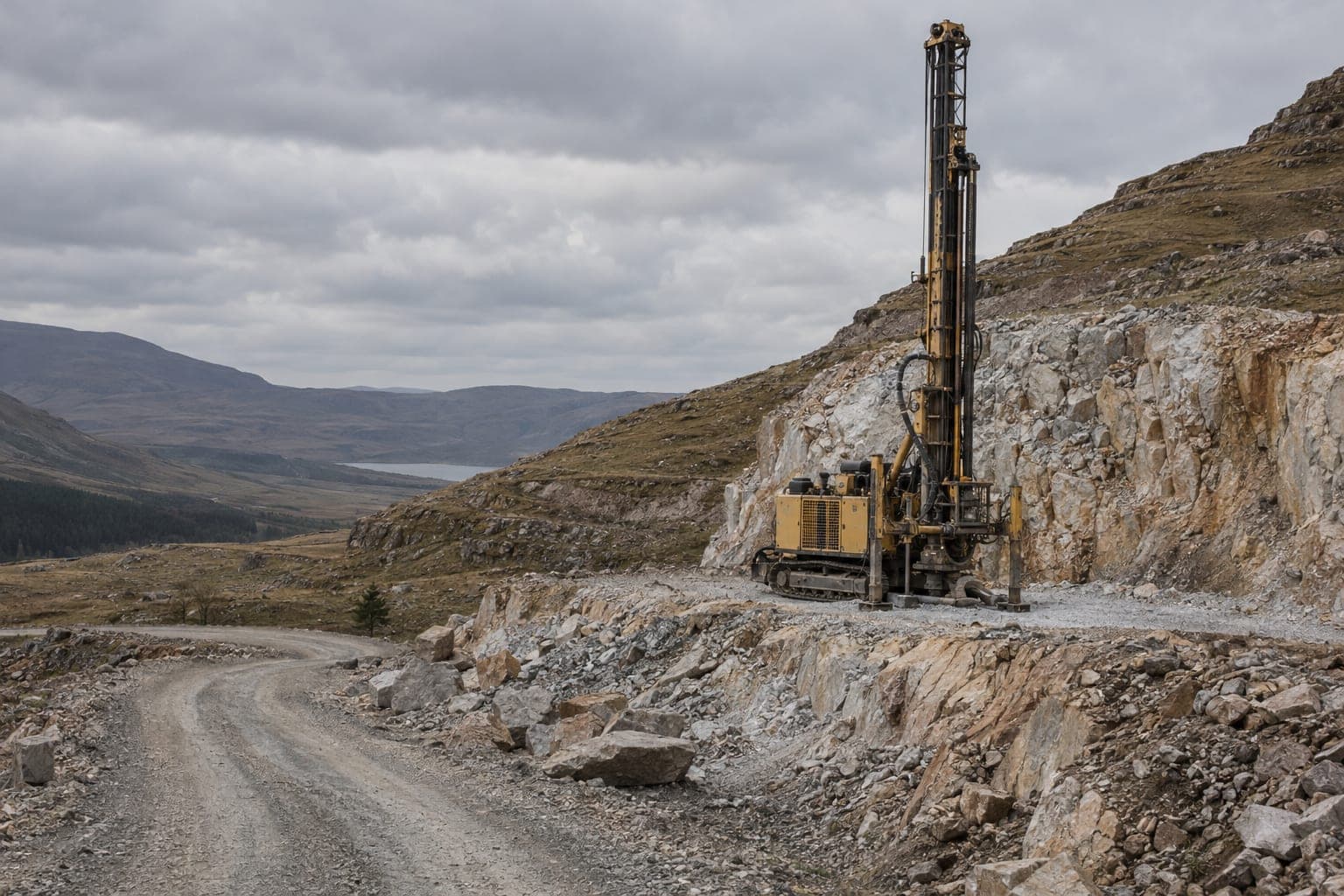
The company said in a Monday press release that recent reverse circulation and diamond drilling at the Las Conchitas area has also identified high-grade gold mineralization beyond current pit limits. Additionally, the work focused on the Candelaria zone, located south of the existing Limon-Mango-Bayacun pit. Management aims to grow resources and extend mine life through these efforts.
Drilling targeted areas both adjacent to planned mining phases and across a broader regional land package. Consequently, results suggest the mineralized footprint continues to expand along strike and at depth. The program also tested zones that had not been fully explored in previous resource estimates.
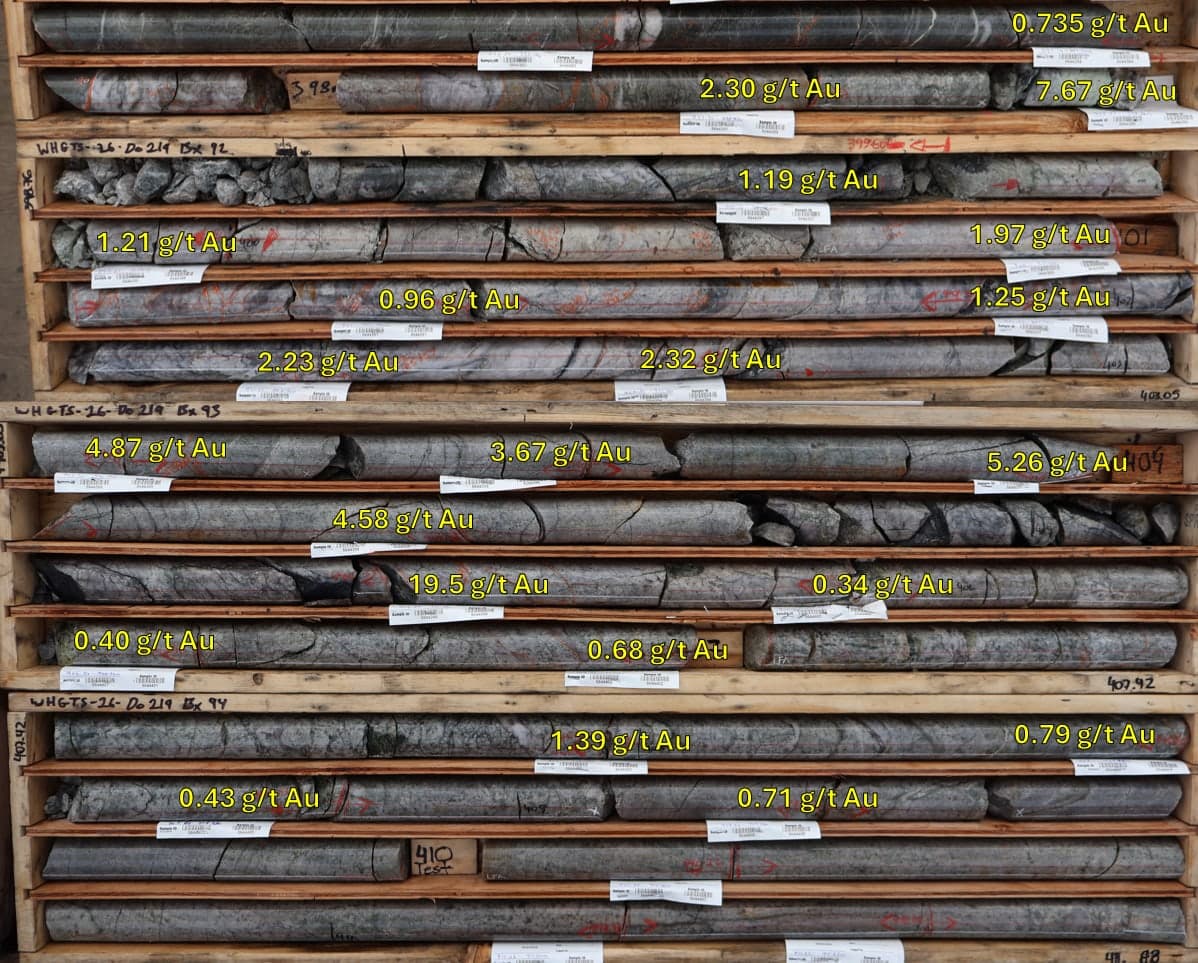
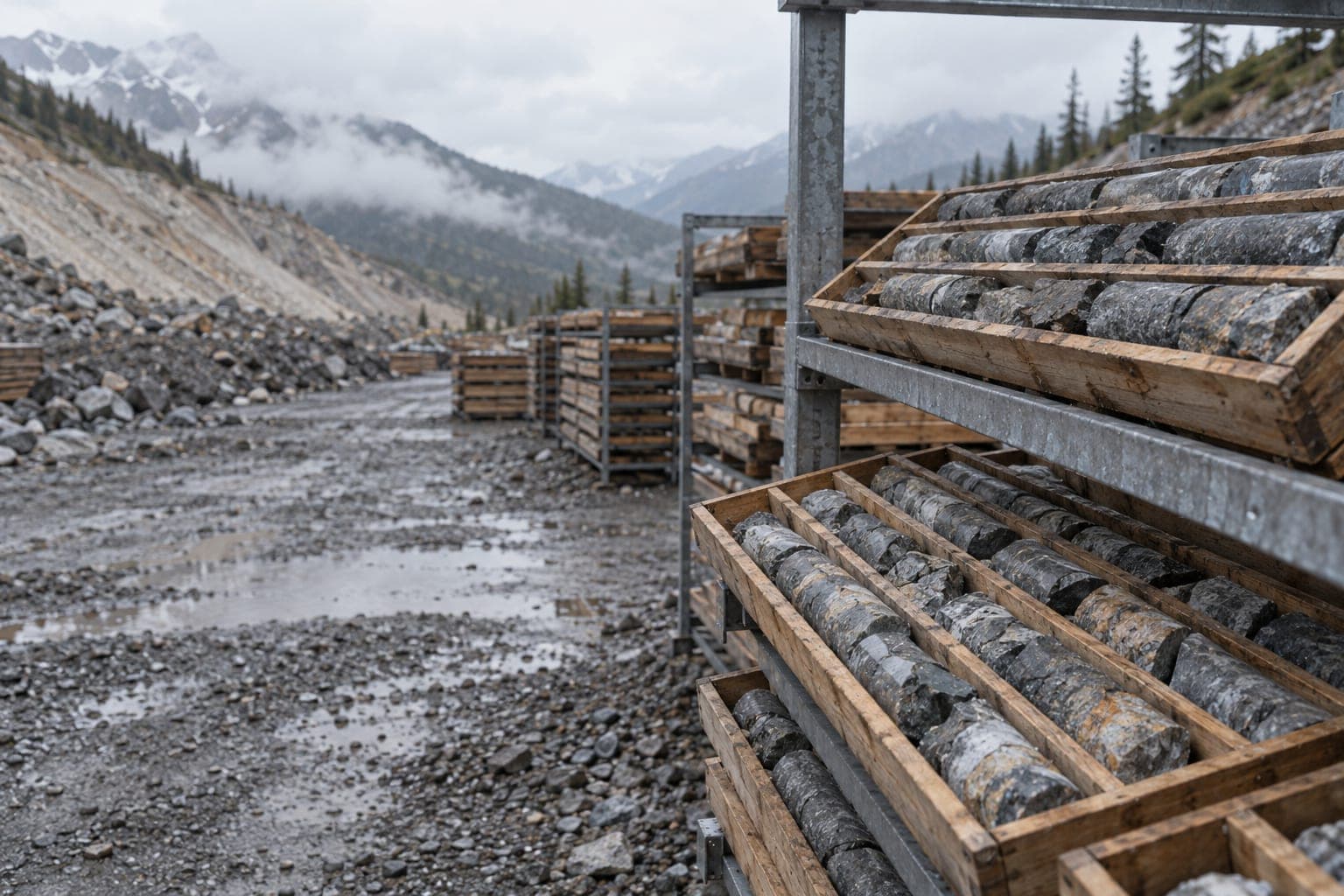
Several drill holes returned strong gold and silver grades over meaningful widths. For instance, one intercept delivered 26.98 grams per tonne gold and 48.4 grams per tonne silver over seven metres. Meanwhile, another hole reported 21.79 grams per tonne gold over five metres, indicating consistent high-grade zones near surface.
The company also reported narrower but still significant intercepts in multiple holes. Additionally, drilling returned 17.89 grams per tonne gold over two metres and 29.18 grams per tonne gold over 5.1 metres in separate zones. These results support continuity across the mineralized structure.
Management stated that drilling has now outlined more than 450 metres of continuous mineralization along strike. Furthermore, the zone remains open to the southwest and at depth, leaving room for additional discoveries. This type of extension often signals potential for future resource growth.
Read more: NevGold reports more positive drill results as gold-antimony resource estimate nears
Read more: NevGold positions Nevada project for near-term antimony output
Drilling campaign focused on areas permitted for mining
Executives described the results as among the strongest seen at the project in several years. However, they noted that economic viability still depends on further analysis and future development planning. The company plans to continue drilling to better define the size and shape of the deposit.
The drilling campaign focused on areas already permitted for mining activities. Consequently, any expansion of the pit could move forward without significant regulatory delays. This positioning gives the company flexibility as it evaluates next steps.
One key drill hole intersected a wide vein roughly 34 metres below surface. Additionally, this intercept sat close to the edge of the current resource pit, suggesting the deposit extends beyond earlier estimates. The company designed this hole to follow up on earlier drilling conducted in 2020.
Geotechnical drilling also played a role in the program. Meanwhile, these holes helped assess slope stability and inform future pit design. One such hole confirmed additional high-grade mineralization while supporting engineering studies.
Further drilling confirmed continuity down dip and across multiple structures. Additionally, one hole extended mineralization well below the current resource model, reinforcing the potential for deeper expansion. This type of continuity often strengthens confidence in future mine planning.
Another drill hole intersected high-grade mineralization roughly 90 metres below surface. Consequently, the result helped confirm the broader 450-metre strike length identified in the program. The company sees this as a key indicator of scale.
Management indicated plans to begin development work in the area after the rainy season ends. However, timing will depend on ongoing evaluation and economic conditions. The company expects to use upcoming months to refine its understanding of the deposit.
Read more: NevGold raises up to CAD$25M to fast-track Limo Butte development
Read more: Yukon First Nation raises concerns over Eagle mine sale process
Drilling results suggest similarities between new and old zones
The San Albino Project sits within a large, underexplored land package covering more than 200 square kilometres. Additionally, the company continues to test regional targets that could host similar mineralization. Exploration across this broader district remains a priority.
Drilling results suggest similarities between new intercepts and existing mining zones. Furthermore, near-surface mineralization with comparable grades could support future open-pit expansion. This proximity to infrastructure may reduce development costs.
The company continues to balance near-mine exploration with broader regional targets. Meanwhile, ongoing drilling aims to convert new discoveries into formal mineral resources. This process typically requires additional drilling and technical studies.
Executives emphasized that the project remains in an exploration and development phase. Consequently, further drilling will determine whether the new zones can support long-term production growth. Investors often watch these stages closely for signs of scale.
The latest results add to a growing body of data from the Las Conchitas area. Additionally, they strengthen the case for expanding operations beyond current pit limits. The company plans to release further updates as drilling continues.
.