DMG Blockchain plans AI data centre conversion at Christina Lake
Company signed a letter of intent with an undisclosed tenant to provide AI data processing capacity from its Christina Lake facility
 Joseph Morton
Residents and local officials in southeastern British Columbia are raising concerns after DMG Blockchain Solutions Inc. CVEDMGI OTCMKTSDMGGF announced plans to convert its Bitcoin mining operation at Christina Lake into an artificial intelligence data centre by the end of the year.
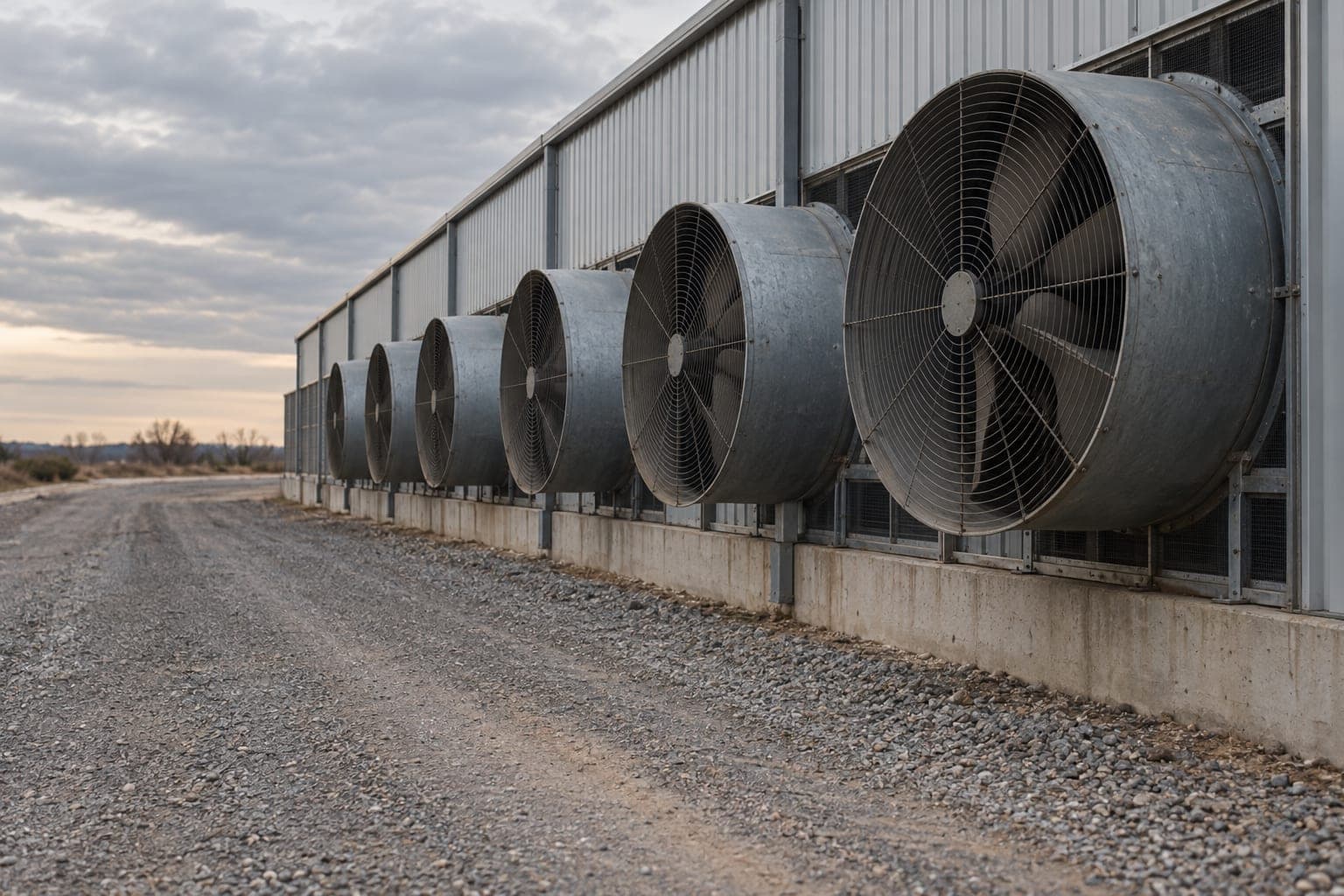
The company said on June 1 that it signed a letter of intent with an undisclosed tenant to provide AI data processing capacity from its Christina Lake facility. DMG plans to retrofit the existing Bitcoin mine with servers and cooling equipment required for AI workloads before leasing computing power and bandwidth to the customer.
However, the announcement has renewed tensions between the company and the Regional District of Kootenay Boundary, which says the site remains subject to unresolved permitting and zoning issues dating back several years.
Grace McGregor, a regional district director representing Christina Lake, said local residents and officials have grown frustrated with the company. She said district representatives have repeatedly attempted to communicate with DMG but have struggled to obtain responses.
Additionally, McGregor said residents worry about how the proposed AI facility could affect the community’s environment and water resources.
Artificial intelligence data centres typically require large amounts of electricity and cooling infrastructure. As a result, many communities across North America have raised concerns about water consumption, power demand and environmental impacts linked to rapid data centre expansion.
DMG chief executive officer Sheldon Bennett said those concerns do not reflect the company’s plans for Christina Lake.
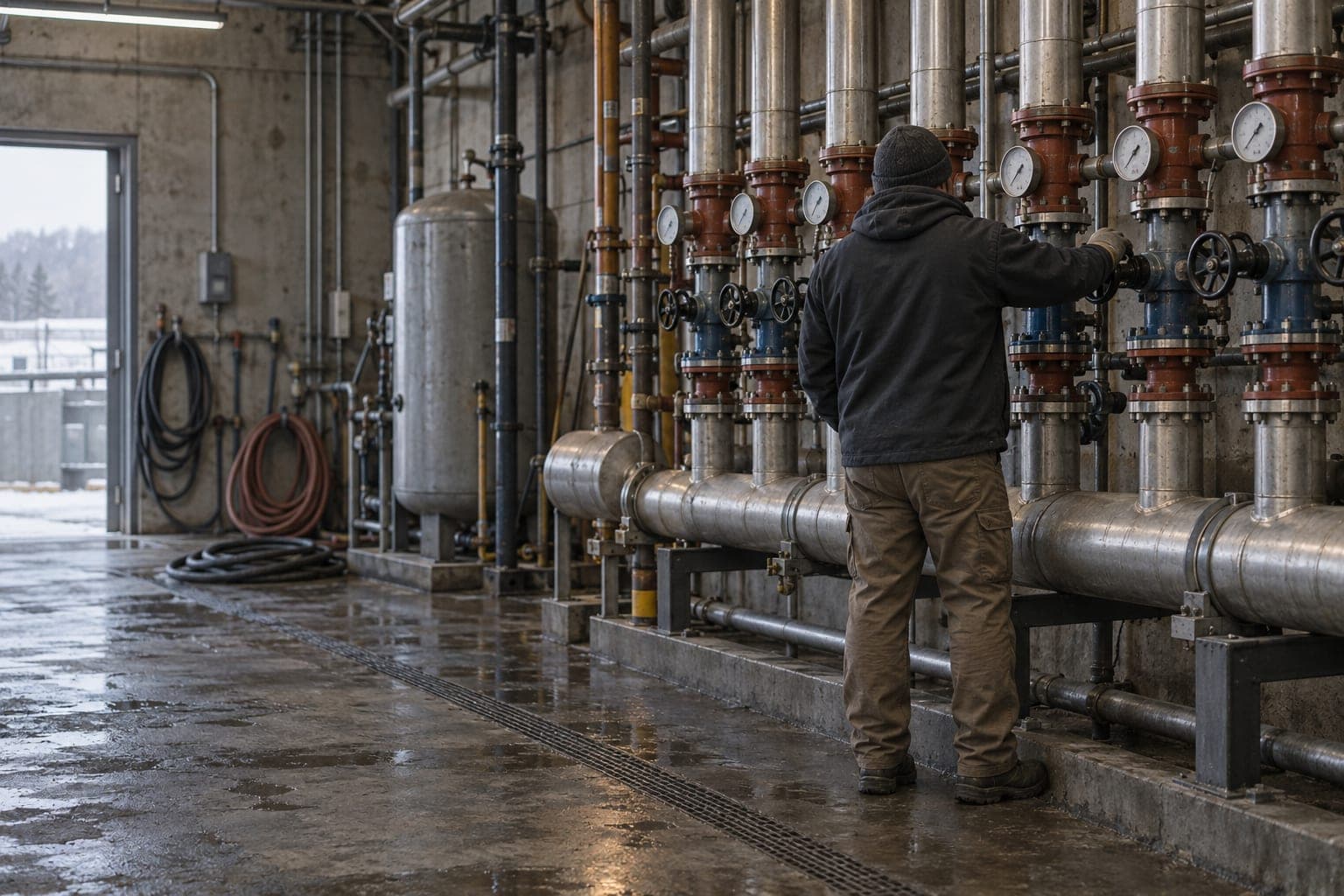
He said many large American data centres rely heavily on water-based cooling systems. However, he said DMG intends to use a closed-loop cooling system that minimizes water consumption.
Read more: HIVE revenue jumps 158 per cent after major bitcoin mining expansion
Read more: Marathon Digital shifts beyond Bitcoin mining with AI data centre strategy
Company is willing to work with local community
According to Bennett, the facility will purchase a water-and-glycol cooling mixture that can remain in service for roughly six years before replacement and recycling. Consequently, he said the operation will consume far less water than conventional cooling systems.
Bennett also said the company remains willing to participate in public hearings and has maintained communication with Canada’s federal Ministry of Artificial Intelligence and Digital Innovation.
Meanwhile, local officials argue the company must first address longstanding compliance issues surrounding the property.
McGregor said DMG has conducted renovations at the Christina Lake facility without obtaining all required permits. She added that the property remains out of compliance with local zoning regulations.
Regional district records show officials first contacted the property’s owner in 2019 regarding building alterations that lacked a valid permit. The district subsequently issued stop-work orders and directed the owner to apply for the necessary approvals.
District staff later received an application for a development permit. However, officials determined the submission was incomplete and could not process it.
As a result, the regional district never issued a building permit for the alterations.
In a June 2024 staff report, manager of building inspection services Brian Champlin stated that officials still had not received a valid building permit application covering the work completed at the facility.
McGregor said the building remains non-compliant today. Furthermore, she argued that extensive modifications have significantly altered the structure.
In a Facebook post discussing the site, she compared the building’s condition to Swiss cheese because of the number of changes made to the structure.
Read more: Crypto industry coalition pushes Senate to advance Clarity Act
Read more: Coinbase plans launch of 1:1 backed tokenized U.S. stocks
Company does not comply with regional district requirements
The dispute escalated in August 2024 when the regional board passed a resolution directing staff to place a notice on the property’s title.
That notice serves as a warning to potential buyers and other interested parties that the property has contravened local regulations.
Additionally, the regional district has continued to pursue further enforcement options.
McGregor said the company still does not comply with regional district requirements. She also said both local government officials and residents learned of the AI data centre proposal with little advance consultation.
Following the announcement, residents launched a petition opposing the project.
The petition calls for an environmental assessment and public hearing before any additional renovations occur at the facility.
McGregor said community members remain concerned because they have received limited information about the proposed conversion. Furthermore, she said the regional district has not received sufficient details to evaluate the project fully.
The Christina Lake proposal arrives as governments across Canada promote domestic artificial intelligence infrastructure while also facing growing public scrutiny over new data centre developments.
Many policymakers view sovereign AI infrastructure as strategically important because it keeps computing resources and data processing capacity within Canada.
Meanwhile, residents in several communities have questioned whether expanding data centre capacity could strain local electricity grids and water supplies.
B.C. Energy and Climate Solutions Minister Adrian Dix said the province recognizes those concerns and has introduced measures to regulate resource use.
Read more: OneCoin fraud victims set for payout after years-long international investigation
Read more: HIVE lands USD$220M contract for Canadian sovereign AI platform
Bill 31 limits electricity allocations to AI and data centres
He said British Columbia closely monitors both electricity consumption and water usage associated with data centres.
Additionally, Dix pointed to recently passed Bill 31, which limits electricity allocations available to artificial intelligence and data centre projects.
The legislation also prohibits the province from allocating additional electricity to new Bitcoin mining operations.
Dix said British Columbia supports the development of Canadian AI infrastructure. However, he added that the province intends to manage electricity and water resources carefully as demand grows.
He also encouraged other provinces to adopt similar approaches as Canada expands its artificial intelligence capabilities.
DMG supports government and utilities
Furthermore, Bennett spoke with Mugglehead regarding this ongoing story.
“DMG Blockchain Solutions has called Christina Lake home for nearly a decade, successfully operating our high-performance computing facility in the region since 2018. We deeply value our longstanding relationship with the community and are proud to be a major employer and taxpayer in the region.
We are actively and constructively engaged with the Regional District of Kootenay Boundary (RDKB) to resolve the outstanding building permit matter. We recently engaged a new building envelope and architect provider to ensure we secure the appropriate approvals from RDKB as quickly as possible in a collaborative, transparent process so that we can achieve a resolution that works for everyone.
As the province navigates the rapid growth of AI computing, we support the government and utilities in establishing clear, enforceable rules so that all operators can do business in a fair and transparent manner. Our plan to convert a portion of our existing operations to AI computing will utilize our existing site, grid connection, and water licence. Rather than expanding our physical footprint, this project will further reduce our environmental impact, utilizing best-in-class technology.
To be clear, DMG has not and will not draw water from Christina Lake, any fish-bearing stream, or any local tributary for cooling purposes. Our total water usage sits well below the limits of our existing water licence, and is equivalent to the amount that approximately 18 homes in the area would use per year. When our retrofit to accommodate AI computing is complete, our facility’s water consumption will be reduced even further. The upgraded infrastructure features a sealed closed-loop recirculating cooling system that utilizes a water-propylene glycol fluid mixture. Because this fluid continually recirculates within a sealed environment, there is zero ongoing draw from, or discharge into, the local water table.
We remain committed to being a collaborative, productive, and supportive neighbour within the Christina Lake community. We look forward to continuing our partnerships with local tradespeople and contractors to support this next phase of our operations. Once operational, this project will bring additional permanent, higher-paying technical jobs to the Boundary region.”