Constellation wins waiver to accelerate Crane nuclear plant return
Constellation plans to restart the 835-megawatt reactor during the second half of 2027
 Joseph Morton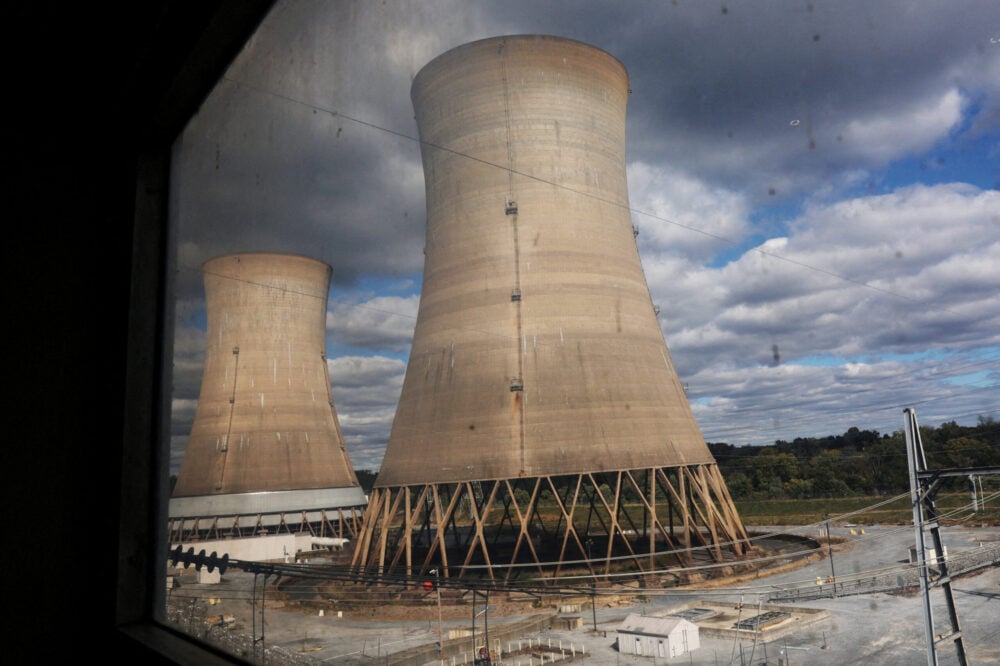
The Federal Energy Regulatory Commission (FERC) has approved a waiver that could accelerate the return of the Crane Clean Energy Center, formerly known as Three Mile Island Unit 1, by allowing Constellation Energy NASDAQCEG to transfer key grid rights from another power plant.
FERC granted the waiver on Monday despite objections from PJM Interconnection’s independent market monitor. Consequently, Constellation can transfer 760 megawatts of Capacity Interconnection Rights, or CIRs, from its Eddystone power plant near Philadelphia to the Crane nuclear facility.
The decision could help the company avoid transmission constraints that threatened to delay the project’s full return to service.
Constellation plans to restart the 835-megawatt reactor during the second half of 2027. However, PJM previously determined that major transmission upgrades were necessary before the facility could deliver its full output to the grid.
Those upgrades include new 765-kilovolt and 500-kilovolt transmission projects. Furthermore, PJM does not expect them to be completed until December 2030.
Constellation argued that waiting for the upgrades would significantly limit the plant’s ability to supply electricity after restarting. The company filed its waiver request with FERC on March 31.
Under the ruling, Constellation can move CIRs from two Eddystone generating units that were scheduled to retire on May 31, 2025.
The company said those rights became available because the U.S. Department of Energy ordered the Eddystone units to continue operating as energy-only resources during what federal officials described as an emergency electricity shortage.
Because the units no longer qualify as capacity resources, Constellation argued that their interconnection rights could be reassigned.
Read more: Denison Mines begins early construction at Phoenix uranium project after securing approvals
Read more: AI boom pushes nuclear power back into global energy spotlight
Transfer offers more efficient use of grid rights
FERC agreed with that position. Additionally, the agency determined that the request addressed a specific operational problem and satisfied its waiver standards.
According to the commission, the transfer could reduce or eliminate certain contingent transmission requirements facing the Crane facility. Consequently, the plant may achieve higher interim deliverability before the transmission upgrades are completed.
FERC also found that approving the waiver would not harm other market participants.
Instead, the commission said the transfer would make more efficient use of grid rights that Eddystone currently cannot fully utilize under the DOE orders.
The ruling represents an important step in Constellation’s USD$1.6 billion effort to bring the reactor back online.
The facility will operate under the new Crane Clean Energy Center name. Meanwhile, the project has attracted significant attention because of a long-term agreement with Microsoft Corporation NASDAQMSFT.
Under that arrangement, Microsoft will purchase all of the plant’s electricity, capacity and clean energy attributes for 20 years. The power will support the technology company’s growing network of data centres across PJM’s Mid-Atlantic and Midwest service territory.
Constellation said reaching full deliverability remains especially important for nuclear operations.
The company explained that running a nuclear unit below its rated output for extended periods can create mechanical challenges. Additionally, reduced output may increase vibration and equipment wear, potentially affecting long-term reliability.
Following the decision, Constellation said the waiver keeps the project aligned with its planned 2027 restart schedule.
The company described the ruling as a significant milestone that supports the delivery of reliable, emissions-free electricity to the PJM region as quickly as possible.
Read more: Cameco increases Cigar Lake ownership as nuclear demand grows
Read more: X-Energy moves toward IPO as tech giants drive nuclear power demand
Nuclear required to meet environmental obligations
Constellation also said the decision will not affect the DOE emergency orders that continue to keep the Eddystone units operating beyond their originally planned retirement dates.
The reactor sits at the same site as the Three Mile Island accident that occurred in 1979 near Harrisburg, Pennsylvania.
That accident involved a partial meltdown at Unit 2. However, Unit 1 was not involved in the incident and continued operating for decades afterward. The accident became a turning point for the U.S. nuclear industry. Consequently, public support for new reactors declined and nuclear development slowed for many years.
Unit 1 remained in service until 2019. The reactor closed for economic reasons despite operating safely and producing carbon-free electricity. Constellation announced plans last year to restart the facility under its new Crane name. Additionally, the company secured a long-term agreement to supply electricity to Microsoft data centres.
Interest in nuclear power has increased as artificial intelligence infrastructure expands. Furthermore, technology companies require large amounts of reliable electricity to power data centres around the clock. Industry observers view the Crane project as a major test for the U.S. nuclear sector. If successful, the restart could demonstrate that retired reactors can return to service and help meet rising power demand.
The project has also attracted attention because few large commercial reactors have returned to operation after retirement. Meanwhile, supporters argue existing nuclear plants can provide dependable electricity without greenhouse gas emissions.
Public concern about nuclear safety has persisted since the Three Mile Island accident in 1979. However, many climate and energy experts continue to support nuclear power. International Energy Agency Executive Director Fatih Birol said in 2024 that the world has “no chance” of meeting climate targets on time without nuclear energy.
.