Communities push back as AI data centre boom meets resistance
An Ipsos survey conducted in late 2025 found about half of Americans opposed building a data centre near their homes
 Joseph Morton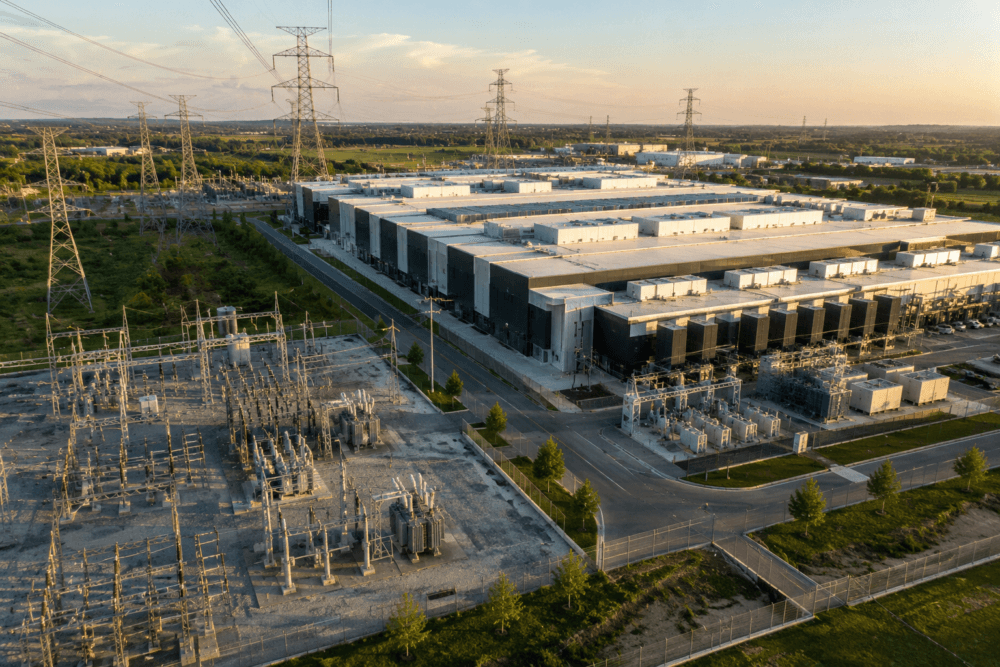
Plans to expand U.S. data centre capacity are running into growing resistance as communities push back against projects they believe could strain electricity grids, water supplies and neighbourhoods. Consequently, opposition has delayed or cancelled billions of dollars in proposed developments, creating new challenges for the artificial intelligence industry as it races to expand computing capacity.
About 75 U.S. data centre projects valued at roughly USD$130 billion were delayed or halted during the first quarter of 2026, according to technology publication Tom’s Hardware published this week, citing research from Data Center Watch.
The report said public opposition has increased rapidly over the past year. An Ipsos survey conducted in late 2025 found about half of Americans opposed building a data centre near their homes. However, Tom’s Hardware reported that figure climbed to roughly 70 per cent within a few months.
The publication also said the value of delayed or cancelled projects during the first three months of 2026 already equals the total recorded throughout all of 2025.
Local governments have increasingly responded to those concerns. By May 2026, nearly 70 municipalities had enacted restrictions or temporary bans on new data centre construction.
Meanwhile, Seattle approved a one-year moratorium that affects five proposed projects. Maine lawmakers also considered a statewide ban on large facilities before the governor vetoed the measure.
Data centres provide the computing power needed to train and operate modern artificial intelligence systems. They consume large amounts of electricity and often require significant volumes of water to cool servers that run continuously.
Read more: AI spots breast cancer risk years before diagnosis using routine mammograms
Read more: Swedish startup Fika raises US$4M for AI job interview platform
Canadian perspective is more balanced
Residents have questioned whether nearby projects could increase utility costs, reduce water availability and generate persistent industrial noise. Additionally, some communities have raised concerns about pollution and the long-term impact on local infrastructure.
Rapid growth in artificial intelligence has also intensified pressure on electrical grids across parts of the United States. AI systems can improve energy management by helping utilities forecast demand, and optimize battery storage.
However, expanding the infrastructure that supports those systems also increases electricity consumption. This can force utilities to build new generating capacity and transmission lines.
Federal officials and AI companies argue that lengthy approval processes could weaken the United States’ ability to compete with China. Conversely, many local leaders say communities deserve more time to evaluate potential costs before approving projects that could permanently reshape their regions.
Canada has largely avoided the broad wave of local opposition seen in parts of the United States. However, governments are increasingly weighing how best to allocate electricity as artificial intelligence drives demand higher. Provinces including Ontario, Alberta and Quebec are examining new nuclear, hydroelectric and natural gas generation to support future data centres and industrial growth. However, British Columbia has taken a more cautious approach. The province permanently banned new cryptocurrency-mining connections to BC Hydro and introduced a competitive process for artificial intelligence and data-centre projects, saying limited electricity should go to developments that deliver the greatest economic and community benefits.