Climb Bio reports 38% immunologic remission in kidney trial
Five of 13 patients reached immunologic remission at 12 weeks, while higher-dose cohorts and longer follow-up will guide development.
Medical and pharmaceutical developments, psychedelics, and the research and safety questions around them.

Five of 13 patients reached immunologic remission at 12 weeks, while higher-dose cohorts and longer follow-up will guide development.
Genmab will conduct the Phase 1/2 study, while Incyte will co-fund it and supply its KRAS G12D inhibitor; a start date was not disclosed.
A 401-infant presentation compared immune responses and safety with Prevnar 20; the company has not dated its pediatric Phase 3 readout.
An independent board will review ReMEDy2 in Q1 2027 and may resize the study to as many as 728 participants or stop it for futility.
The hepatitis B developer can pursue further United States testing, but has not disclosed a new trial design or start date.
A 131-patient registry analysis found higher graft risk, while a separate randomized trial reported 49% fewer kidney biopsies.
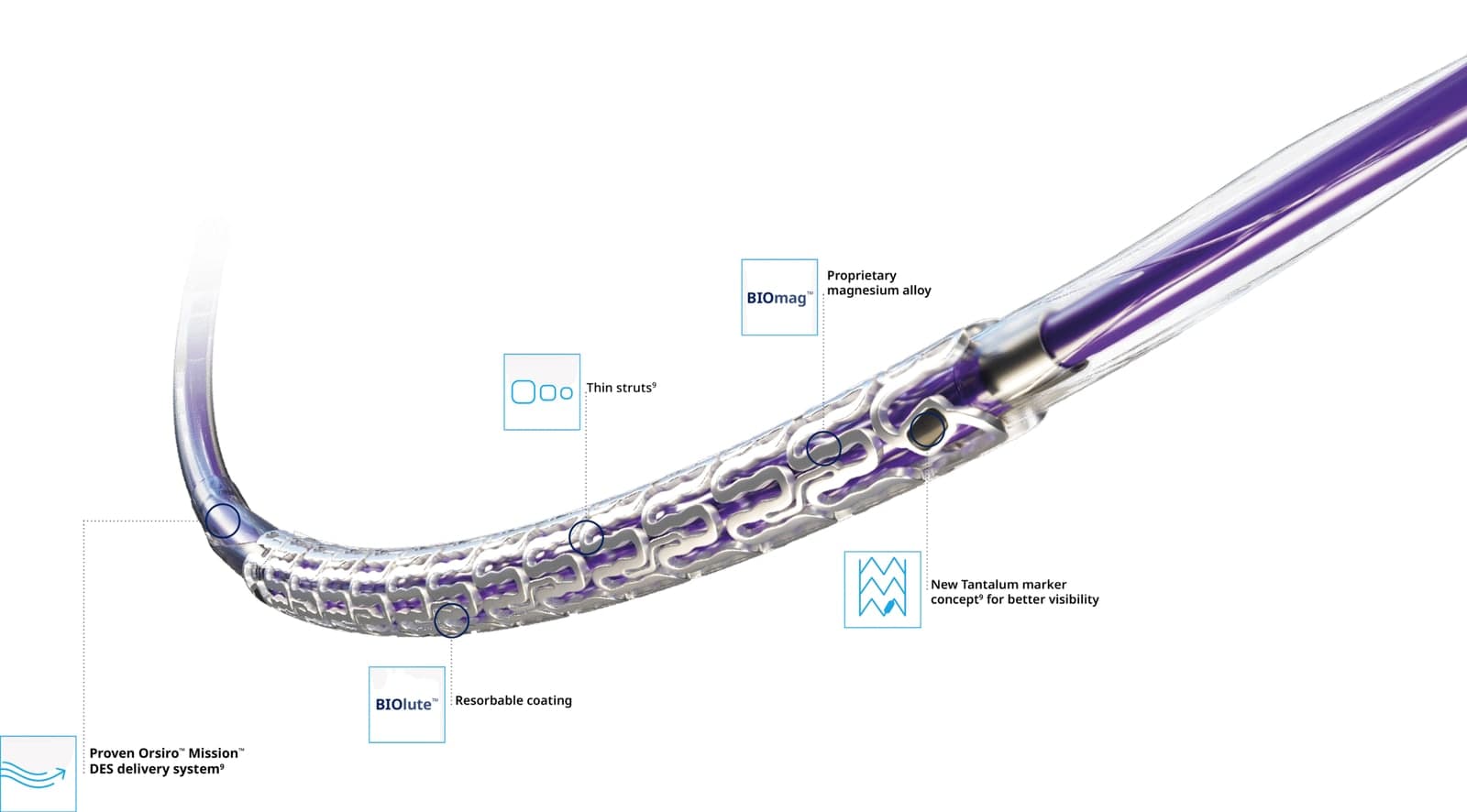
A 1,859-patient pivotal trial will compare the resorbable implant with Xience, with primary completion estimated for June 2029.
The 24-week injection course targets eligible adults without cirrhosis, with boxed liver and platelet warnings.
Confirmed disability progression affected 11.7 per cent with continuous treatment versus 17.4 per cent after an initial comparator.
The placebo-controlled study tests two doses of NBI-'567 over 12 weeks, with primary completion estimated for May 2028.
The 183-patient APOLLO study met both primary endpoints, with an FDA resubmission planned by the end of 2026.
The Vanderbilt development partnership will pair CT imaging with blood biomarkers, with initial performance data due Dec. 3.
Half of induction responders were in remission at one year in the uncontrolled Phase 3 study; Lilly plans global regulatory submissions.
The uncontrolled Phase 2 analysis used a September 2025 cutoff; Zentalis will present the survival data at ESMO on Oct. 23.
The hormone-free IUD remains approved for three years, with an FDA decision on a duration extension expected in the second quarter of 2027.
U.S. enrolment is expected in early 2027, with up to 80 adults testing EB06 against placebo and topline results due late that year.
Gilead gets exclusive development rights to three discovery programmes, with preclinical and later milestone payments contingent on progress.
The 13-person study had no control group and a safety primary endpoint, with a separate CVID readout expected in November.
The 145-patient MAXPIRe study missed its lung-function endpoint; safety was comparable to placebo and graft-versus-host disease trials continue.
The treatment improved itch scores by 0.98 points more than placebo, with a supplemental U.S. drug application planned for the first half of 2027.
The uncontrolled SYNCHRONICITY study reported a 3.6-letter vision gain at six months, with improvements maintained through two years.
The 60 mg dose met ALOFT-IPF's lung-function endpoint, but the topline release gives no effect size or filing date.
ICP-B161 is the company's fifth candidate to enter clinical development in 2026; the release gives no enrollment timetable.
The FDA has accepted the ADH1 application for priority review, with a May 8, 2027 target decision date.
The FDA accepted the uveitic macular edema application after MEERKAT met its primary endpoint and SANDCAT did not.
The oral drug's label covers immunocompromised adults whose lesions failed standard antivirals, with U.S. availability expected before the end of 2026.
EXCALIBER-RRMM met its second primary endpoint, with median progression-free survival estimated at 42 months versus 20 months.
The Oct. 8 label covers IV treatment from age two and Hybreza injections from age 12 for patients weighing at least 40 kilograms.
The FDA reviewed data from 12 cancer types, but Natera disclosed no performance figures or date for a marketing submission.
ICONIC-LEAD's two-year skin clearance results set a longer follow-up point for Alumis's investigational oral psoriasis drug.
The continuous-treatment cohort showed symptom gains as Alumis targets a fourth-quarter U.S. drug application.
Guardant360 CDx can identify ESR1 mutations before progression in eligible advanced breast cancer; Guardant's Oct. 8 release gave no European payer terms.
The company says its 3-MMC claims cover dyskinesia treatment alone and with PEA, but gave no publication number or grant timetable.
A European Radiology paper tested DeepHealth's MRI risk score on 787 men; simulated biopsy savings have yet to be shown in practice.
The designations cover a colorectal cancer combination and lung cancer monotherapy, both based mainly on a first-in-human study.
The 220-person ZUPREME-2 trial also showed improved HbA1c; Zealand says the first participants have begun treatment in its Phase 3a program.
The biopsy measure improved against placebo after a gluten challenge, with p=0.0176; argenx plans Phase 3 development.
The voucher came with Genglycos approval; payment awaits an antitrust waiting period and other closing conditions.
Vaxcyte expects both underwritten offerings to close Oct. 9, adding funds for adult vaccine trials and manufacturing ahead of a planned U.S. filing.
The Oct. 5 placement issued 4.84 million shares at US$1.16 each and gave the placement agent warrants for another 387,464 shares.