BitFuFu reports 137 bitcoin mined in October as holdings increase
Self-mining output fell to 67 bitcoin from 98 in September, while cloud-mining production was almost unchanged.
 Julian Okafor
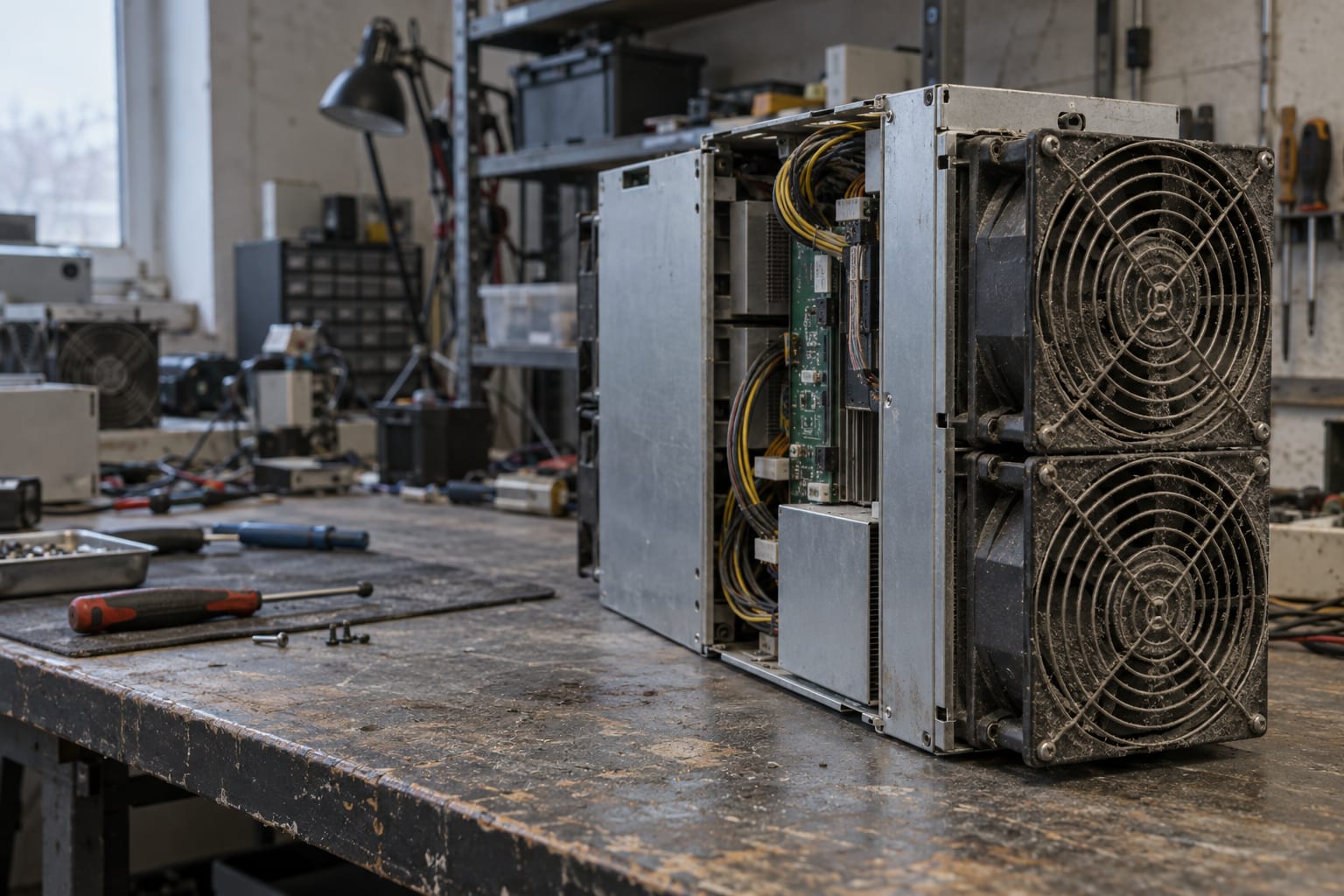
A smaller monthly bitcoin haul has coincided with a growing treasury, as self-mining output fell by nearly a third. BitFuFu Inc. NASDAQFUFU, a Singapore-based bitcoin miner and cloud-mining services provider, reported October production of 137 bitcoin and holdings of 1,454 bitcoin on Nov. 6.
Production fell about 18 per cent from September, calculated from the company's monthly figures. Holdings increased by 66 bitcoin, or 4.8 per cent, between Sept. 30 and Oct. 31, even as the company's own mining operations produced fewer coins.
Shares closed at US$0.90 on Nasdaq at 4 p.m. EST on Nov. 5, according to NASDAQFUFU. That price preceded the operational release and establishes no market reaction to October's figures.
Managed computing capacity remained broadly stable at 19.5 exahashes per second, compared with September's 19.4. The unaudited monthly release gives production, holdings and fleet readings, but no October revenue, profit or cost per bitcoin.
Self-Mining Accounts For The Production Decline
Self-mining output dropped to 67 bitcoin in October from 98 in September. Cloud-mining production edged up to 70 bitcoin from 69, leaving the company's own operations responsible for the overall decline.
Daily production fell to 4.4 bitcoin from 5.6, so the lower monthly total also reflected a slower daily pace. October had an additional calendar day compared with September.
The distinction between company and customer production also affects the treasury comparison. BitFuFu's Aug. 17 financial disclosures define cloud-mining production as coins generated by customers using purchased hashrate, so October's combined 137-coin total cannot be treated as additions to corporate holdings.
"While the increase in network difficulty weighed on overall Bitcoin production, our hashrate under management and cloud mining operations remained steady," BitFuFu chairman and chief executive Leo Lu said in the Nov. 6 release.
BitFuFu attributed the production decline primarily to an approximately 11.8 per cent increase in network difficulty during October. Its footnote identifies publicly available Blockchain.com data as the source and says neither the company nor another party independently verified that information.
Efficiency Improves As Power Capacity Falls
Average fleet efficiency improved to 16.3 joules per terahash from 16.7 in September, indicating less energy required per unit of computing work. The release does not give an October electricity tariff or cash mining cost, so that reading alone cannot establish improved profitability.
Self-owned hashrate declined to 3.7 exahashes per second from 3.8. Capacity attributed to third-party suppliers and hosting customers increased to 15.8 exahashes per second from 15.6, accounting for most of the managed fleet.
BitFuFu cautions that hashrate may serve both self-mining and cloud mining. Its financial disclosures also define managed hashrate using manufacturer specifications for energized machines, including equipment that may be temporarily offline, rather than a continuously measured operating rate.
Power capacity under management fell to 317 megawatts in October from 324 in September. The Sept. 30 snapshot, released Oct. 13, had already shown a reduction from August's 344 megawatts.
The November release provides no explanation for October's seven-megawatt reduction. It also does not allocate that change among particular facilities, preventing a site-level explanation from being drawn from the monthly figures.
Holdings Remain Below The June Balance
The cost backdrop was difficult in the company's second-quarter results released Aug. 17. Revenue for the quarter ended June 30 was US$42.8 million, while cost of revenue reached US$43.7 million.
The company reported a US$20.5 million net loss for that quarter, which included a US$16.9 million fair-value loss on digital assets and related receivables or payables. Those financial results predate the October fleet reading and cannot establish October's margins.
Holdings were 1,671 bitcoin at June 30, above October's month-end balance despite the latest monthly increase. BitFuFu said it sold bitcoin during the June quarter to support operations and procure hashrate; the October release provides no equivalent sales reconciliation.
The gap between physical production and financial performance also frames the sector's latest quarterly earnings coverage. BitFuFu's October report records fewer coins alongside better fleet efficiency, leaving current revenue and costs for a financial disclosure.
Read more: Core Scientific reports US$232.9M revenue as colocation dominates sales
A comparable snapshot at Nov. 30 would test whether the improved fleet reading accompanies a recovery from October's 4.4-bitcoin daily production rate. The Nov. 6 release sets no publication date for the next operational update.