Core Scientific reports US$232.9M revenue as colocation dominates sales
Quarterly capital spending reached US$985.1 million, while the company targets early 2027 completion of its first colocation buildout.
 Julian Okafor
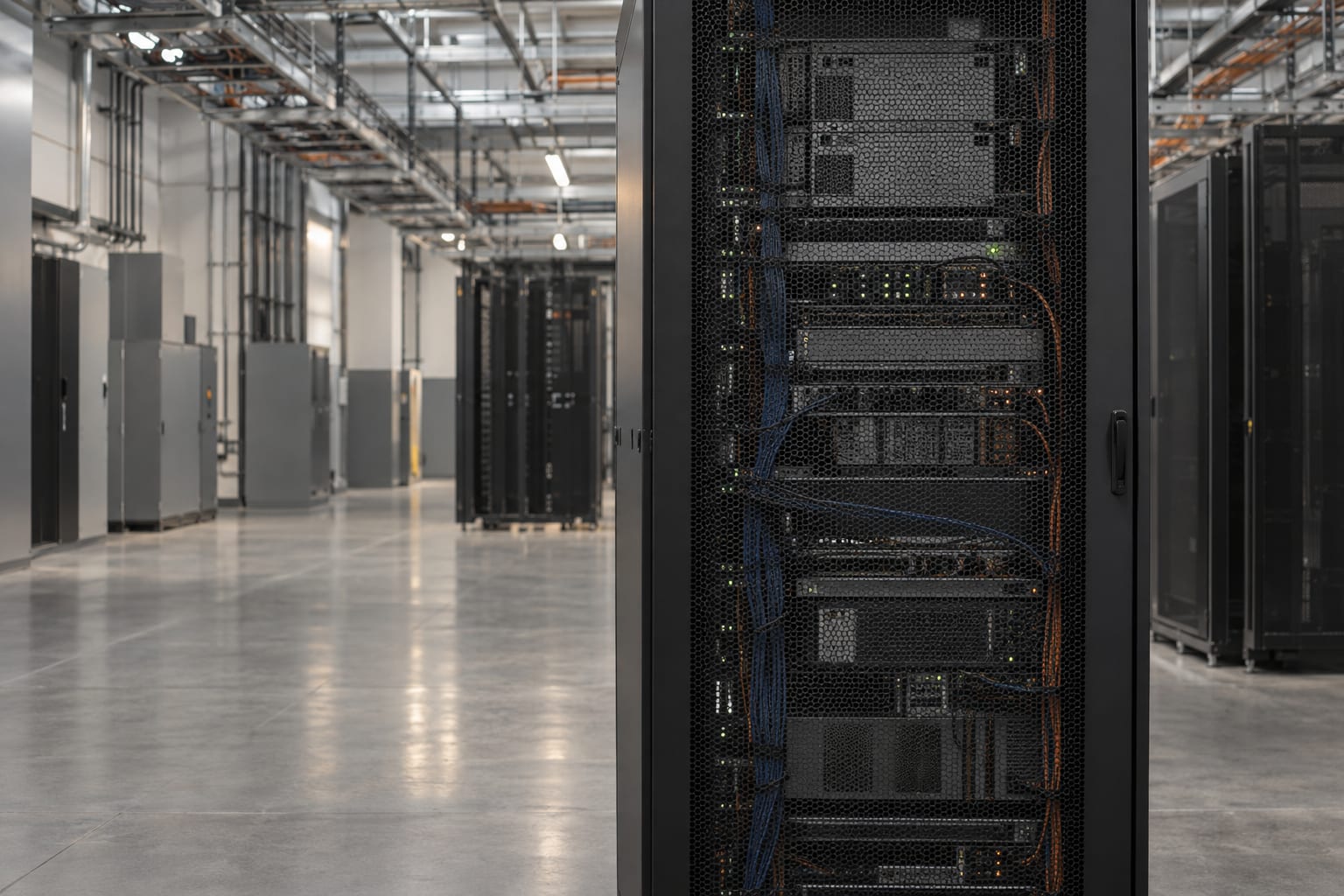
Colocation supplied more than nine-tenths of quarterly sales as data-centre construction spending approached US$1 billion. Core Scientific, Inc. NASDAQCORZ, a U.S. data-centre operator converting its remaining cryptocurrency mining facilities for high-density computing, reported US$232.9 million in third-quarter revenue on Nov. 5.
Revenue for the quarter ended Sept. 30 rose from US$81.1 million a year earlier. Colocation contributed US$215.4 million, compared with US$15 million in the corresponding quarter of 2025, as more capacity entered billing.
Shares closed at US$12.76 on Nasdaq at 4 p.m. EST on Nov. 4, down 10.4 per cent, according to NASDAQCORZ. That close preceded the earnings release.
Core spent US$985.1 million on capital expenditures in the September quarter, while its combined liquidity and debt-service reserve measure declined. Its presentation targets completion of the first approximately 590-megawatt colocation buildout in early 2027, with a second contracted tranche following through 2028.
Colocation Accounts For Most Sales
Colocation represented approximately 92.5 per cent of third-quarter revenue, calculated from the Nov. 5 release, compared with approximately 18.5 per cent a year earlier. The balance comes from mining digital assets for Core's own account and hosting other miners. The release says Core is repurposing its remaining mining facilities as circumstances allow.
The September quarter's colocation revenue rose from US$136.7 million in the June quarter. Billing capacity reached 485 MW at Sept. 30, up from 395 MW three months earlier, connecting the sales increase to facilities entering service.
Gross profit reached US$123.3 million in the third quarter, compared with US$3.9 million a year earlier. Adjusted earnings before interest, taxes, depreciation and amortization reached US$133.6 million, while the adjusted margin widened to 57 per cent from 25 per cent in the June quarter.
The reported US$1.18 billion net profit for the September quarter requires a separate reading. Core said earnings primarily reflected changes in warrant fair values as its share price changed, so the non-cash gain cannot be treated as construction funding.
"We are nearing full delivery under our first colocation agreement while construction under our second is underway across five campuses," Core chief executive Adam Sullivan said in the Nov. 5 release.
Capital Spending Exceeds Quarterly Revenue
September-quarter capital expenditures increased from US$797.5 million in the June quarter. Core's definition includes purchases of property, plant and equipment, alongside acquisitions of land and development rights, rather than construction alone.
The combined liquidity and debt-service reserve measure stood at US$1.74 billion on Sept. 30, down from US$2.60 billion at June 30. It includes cash, digital assets, available revolving credit and restricted cash, so the total is broader than cash freely available for new projects.
Restricted funds at Sept. 30 included escrow associated with certain utility and development costs. The release's aggregate liquidity measure therefore cannot establish how much unrestricted cash remains available, or how long Core can sustain its current construction spending.
Core's Nov. 5 presentation distinguishes cash receipts from accounting revenue, identifying capital-expenditure credits as the source of an early gap in its first colocation contracts. The US$700 million-plus average annualized GAAP colocation revenue associated with September's billing capacity is an accounting measure, rather than a statement of cash already collected.
Contracted Capacity Extends Through 2028
The presentation lists approximately 1.1 gigawatts of customer-contracted power and more than US$24 billion in contracted revenue. Its approximately US$1.8 billion average annualized GAAP revenue estimate relates to the contracted portfolio, including capacity still awaiting delivery.
Within the first buildout, Dalton, Georgia, had approximately 75 MW billing against approximately 175 MW leased in the Nov. 5 presentation. Core expects that campus and the overall first buildout to reach completion in early 2027.
The second tranche totals approximately 530 MW, with initial delivery expected in early 2027 and full delivery targeted by the end of 2028. Pecos, Texas, and Auburn, Alabama, are scheduled to begin delivery in the first half of 2027; Hunt County, Texas, follows in the first half of 2028.
The sector's transition is also visible in Cipher's first recognized HPC lease income. Cipher Digital Inc. NASDAQCIFR, a U.S. industrial-scale data-centre developer and operator, reported US$27 million in third-quarter revenue on Nov. 2, including its first HPC lease revenue after rent commenced at Black Pearl.
Read more: Cipher Digital reports US$27M revenue as first HPC lease income begins
Cipher shares closed at US$6.50 on Nasdaq at 4 p.m. EST on Nov. 4, according to NASDAQCIFR. Its Nov. 2 release scheduled additional data halls to come online through year-end.
Core will hold its earnings call on Nov. 5 at 8:30 a.m. EST. The first contracted buildout's early-2027 completion target is the next delivery milestone against which September's 485 billing megawatts can be measured.