AST SpaceMobile wins Space Force sensing-development work through STR
The award adds a technology-development phase, but AST discloses no contract value, funded amount or delivery schedule.
 Julian Okafor
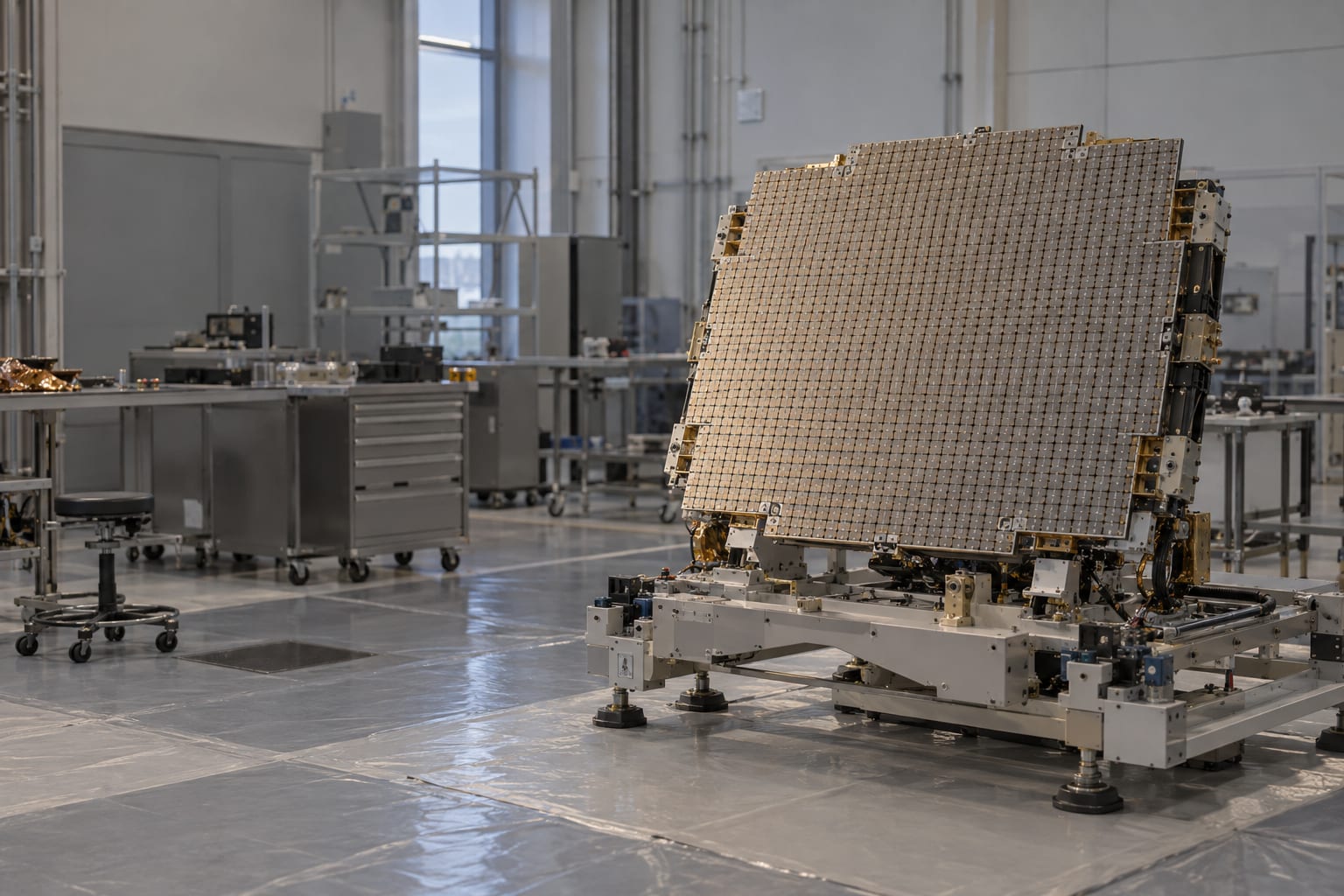
A military sensing-development award adds a potential government use for a satellite network designed to connect ordinary mobile phones. AST SpaceMobile, Inc. NASDAQASTS, the Texas-based developer of a space-based cellular broadband network, said on Nov. 5 it will support prime contractor STR under a U.S. Space Force contract.
The award covers an additional phase of technology development using AST's commercially developed space-based technologies. The announcement discloses neither the contract's value nor AST's funded share, and provides no delivery dates, payment schedule or revenue-recognition milestones.
AST shares traded at US$31.38, down 11.90 per cent, on Nasdaq at 9:52 a.m. EST Thursday, according to NASDAQASTS. The announcement does not establish a cause for the decline.
The next scheduled business update is Nov. 9, when management will discuss financial results and take shareholder questions. That gives investors a dated opportunity to seek the award's economics, although the call notice promises no contract-specific disclosure.
STR Remains The Prime Contractor
STR holds the prime contract, while AST will support its work. The Nov. 5 release says the government program is intended to evaluate and use commercial innovation for national-security applications, but does not identify the program by name or provide an award identifier.
“This effort supports an additional phase of technology development to advance sensing capabilities using AST SpaceMobile’s commercially developed space-based technologies,” the company said in its Nov. 5 release.
AST says it has worked with STR on related efforts drawing on previous experience in orbit. The release describes the new work as building on that technical foundation, without publishing test results, acceptance criteria or a timetable for demonstrating the sensing capability.
The announced scope is technology development. It does not describe an operational sensing service entering military use, a committed satellite purchase or a recurring service subscription, so the release supplies no basis for estimating annual defence revenue from this award.
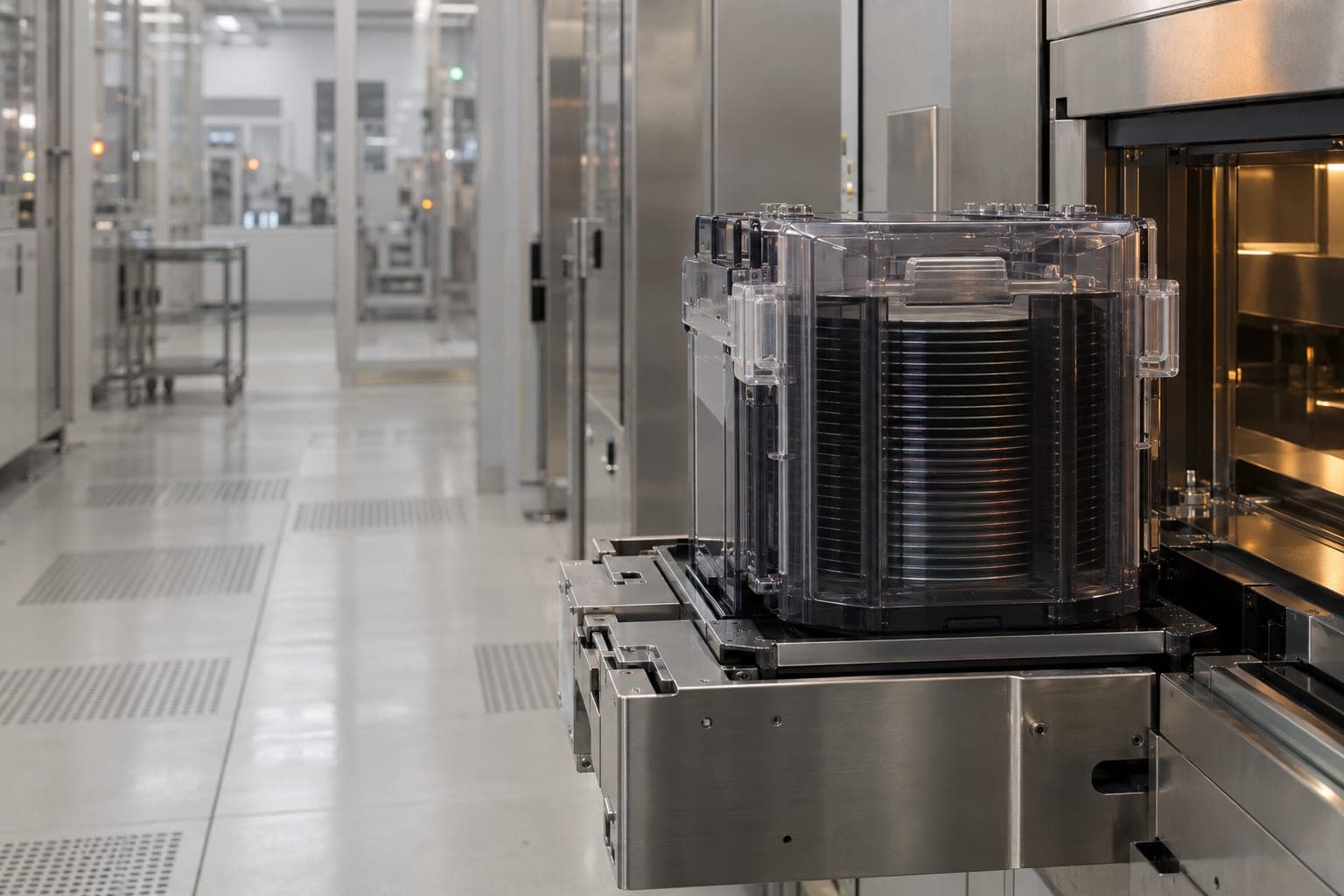
AST's BlueBird spacecraft are assembled, integrated and tested in Midland, Texas, according to the Nov. 5 announcement. The company reports more than 500,000 square feet of manufacturing and operating facilities worldwide and a workforce exceeding 2,250 people.
Those are company-wide resources, rather than resources allocated to the STR work. The release does not specify how many spacecraft, employees or manufacturing hours the new phase requires, preventing a comparison between the award and the capacity it would consume.
Earlier Awards Had Disclosed Revenue Figures
AST has previously put a dollar figure on government work. In a Feb. 26, 2025 announcement, it disclosed a contract through an unnamed prime contractor supporting the Space Development Agency, with total expected revenue of US$43 million.
That earlier announcement followed successful testing on the BlueWalker-3 satellite under a contract announced in February 2024. It said the subsequent work would use next-generation Block 2 BlueBird satellites; it did not identify STR as the prime contractor.
The distinction prevents the earlier contract value from becoming a substitute for the missing figure in the Nov. 5 announcement. The new release does not reconcile the STR award with that earlier program or state how much incremental contracted revenue it adds.
The financial record shows government work already contributing to sales. In its Aug. 10 second-quarter results, AST reported US$31.5 million in revenue, driven by gateway deliveries and U.S. government milestones met.
The same update reported government awards with an aggregate value above US$125 million. It also disclosed approximately US$1.30 billion in aggregate contracted revenue with commercial partners and government contract awards, a combined figure that cannot be treated as a defence-only backlog.
The second-quarter 2026 operating-expense total was US$329.1 million. AST said the increase from the first quarter included a US$125.9 million loss on involuntary conversion, as well as higher general and administrative costs.
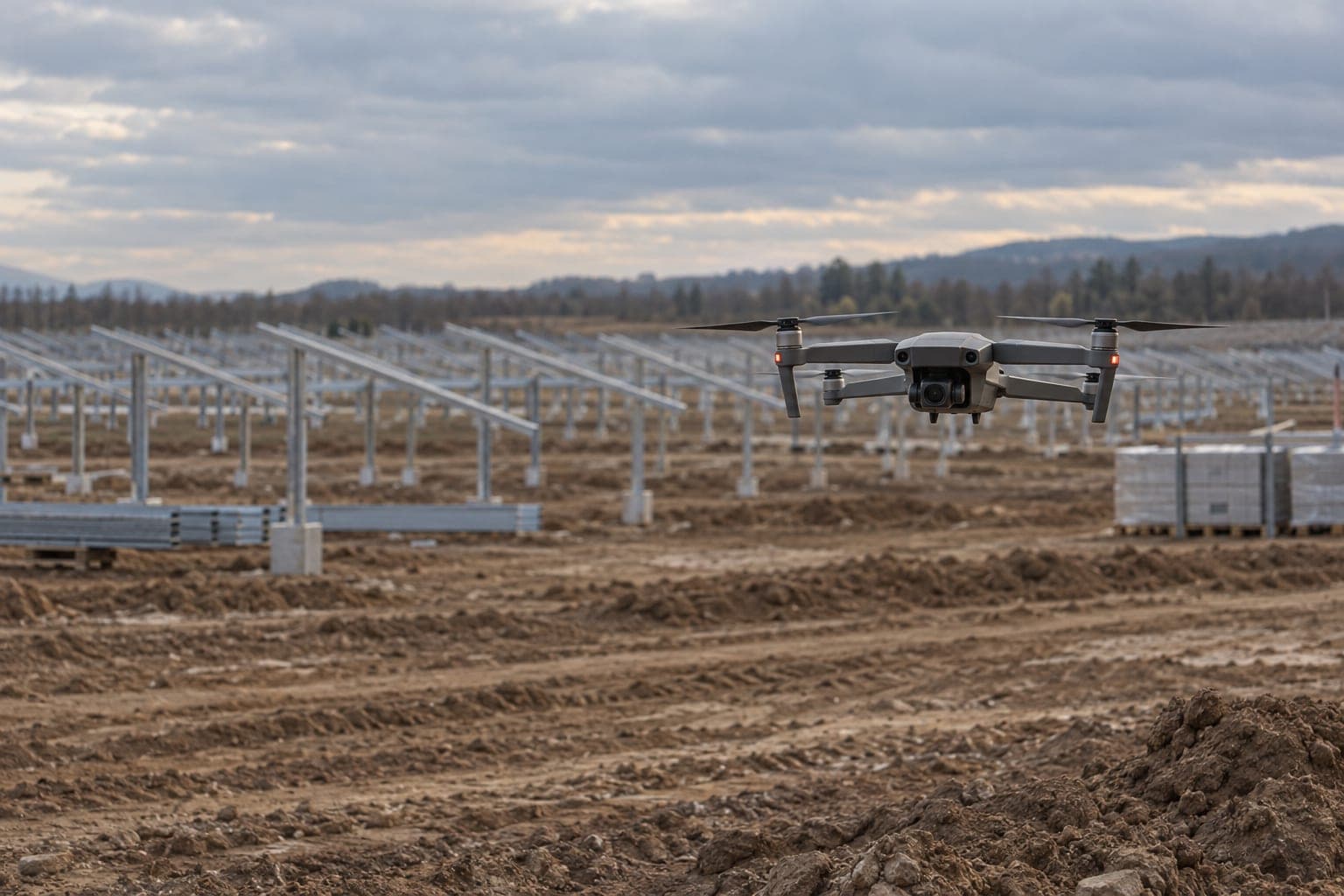
Mugglehead's Nov. 4 coverage of solar-survey contracts provides another example of the gap between awards and prospective income. ZenaTech, Inc. NASDAQZENA FRA49Q, a Vancouver drone-services and software company, disclosed nearly US$1 million in signed utility survey work, while separating potential follow-on assignments.
Read more: ZenaTech signs nearly US$1M in solar-survey contracts for US utility
AST's next scheduled reporting checkpoint is its Nov. 9 business-update call at 5:00 p.m. EST. Management plans to discuss business and financial results and answer retail and institutional shareholder questions; the STR work's value and delivery schedule remain undisclosed in the award announcement.