
The psychedelic renaissance just gained more momentum in Ontario through an educational initiative in a formal setting. A major new exhibition at the Royal Ontario Museum is inviting visitors to examine mind-altering substances with care and context.
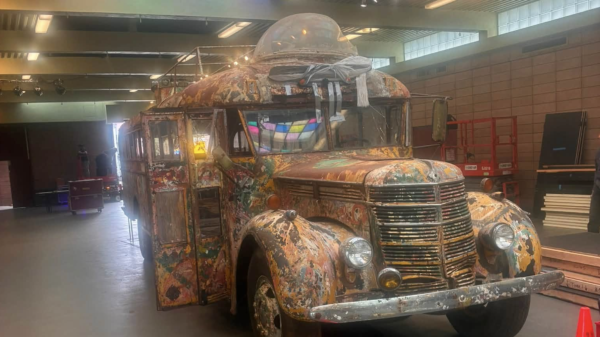
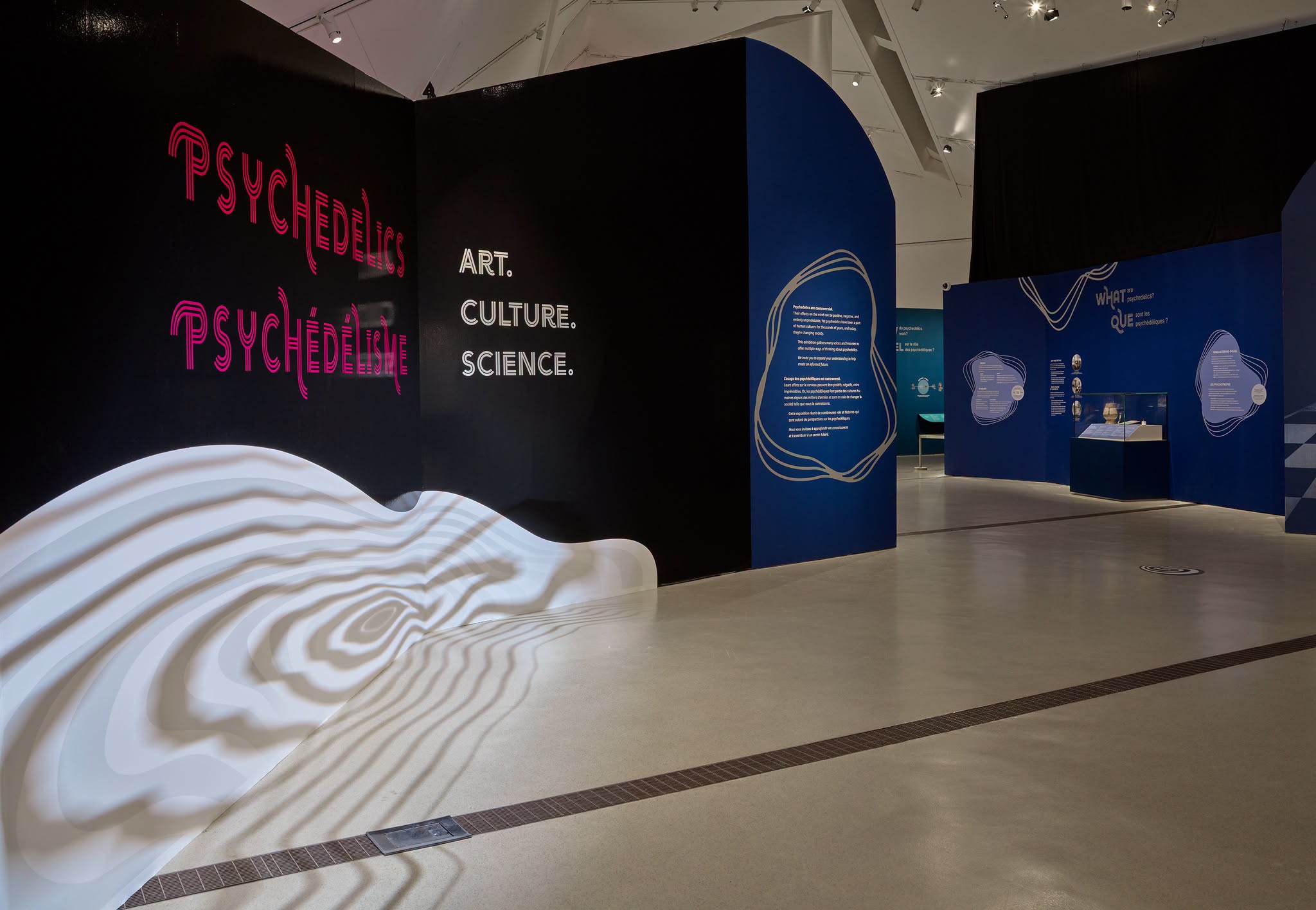
Psychedelics: Art. Culture. Science. opened at the ROM on Jun. 6. Curated by archaeologist Justin Jennings with advice from more than 30 experts, the show assembles nearly 90 objects with a history that spans thousands of years.
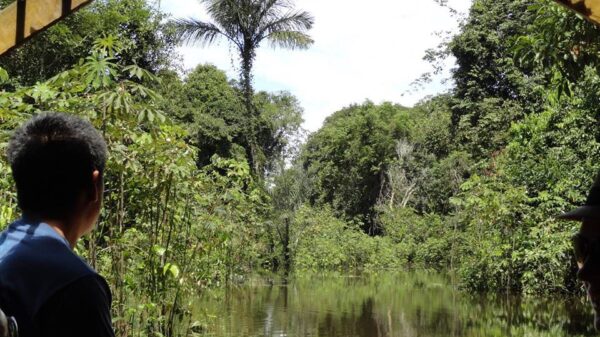
It includes ancient ceramics from Mexico and Bolivia that depict ritual psychedelic use, vibrant yarn paintings by the Indigenous Huichol people of Mexico involving peyote, and artefacts linked to the Bwiti spiritual practices of the Indigenous peoples of Gabon with iboga. This showcase also features 1960s rock posters and botanical specimens of the four classic psychedelics: psilocybin, LSD, mescaline and DMT.
Organisers are proceeding cautiously though. Prominent disclaimers make it clear that the ROM neither recommends nor encourages use of these substances, which remain illegal in Canada in most cases. The exhibition balances immersive experiences, including a multimedia room evoking the geometric patterns and fractals of a “trip,” with more serious historical and scientific content.
It addresses Indigenous traditions with psychoactive plant medicines like ayahuasca, the subjective ego-dissolving nature of these compounds, the Canadian origins of the term “psychedelic” in Humphry Osmond’s 1950s research, 1960s counterculture, and ongoing studies into potential therapies for conditions such as treatment-resistant depression. The exhibition runs until Dec. 6.
“This exhibition aims to expand understanding, inspire critical reflection, and prompt discussion,” Jennings said.
Read more: Dune’s final chapter was filmed with a dedicated ‘psychedelic unit’
A novel addition to an evolving landscape
This prominent cultural showcase forms part of a broader shift across Canada where institutions and policymakers engage more openly with psychedelics despite their long-standing taboo status. Recent legislative and regulatory moves reflect growing interest in evidence-based approaches.
Most recently, Conservative MP Corey Tochor of Saskatchewan introduced Bill C-286. The proposed legislation would enable physicians to prescribe psilocybin directly, reducing reliance on repeated case-by-case approvals with low acceptance rates.
Tochor’s federal effort builds on Alberta’s pioneering 2023 regulations, which made the province the first in Canada to licence psychedelic-assisted therapy under the Mental Health Services Protection Act, enabling psychiatrists to oversee treatments in controlled settings.
A major new museum exhibition and recent movements like these demonstrate how the Canadian psychedelic landscape is steadily becoming more mainstream.
“Five years ago, this conversation mostly happened behind closed doors,” commented Sherry Rais, CEO of ketamine therapy provider Enthea.
“Today, one of Canada’s most respected museums is dedicating an exhibition to the history, science, and cultural significance of psychedelic medicines,” she added. “The tide is shifting.”
Read more: MAPS publishes extensive research paper on ibogaine
Follow Rowan Dunne on LinkedIn
rowan@mugglehead.com