
Robotic hands and grippers are advancing rapidly as AI, smarter actuators and lighter materials come together. What once seemed like distant science fiction is now moving into practical use, enabling machines to perform delicate and complex tasks.
One developer of this technology, Tesollo, has started preparations for an initial public offering next year. The company revealed these plans this month after completing its Series B funding round in June. Existing investors such as POSCO Technology Investment, KB Investment and Enlight Ventures took part, alongside new industry participants like Daesung Hi-Tech and HL Mando.
Founded in 2019 and based in Incheon, South Korea, Tesollo develops advanced robotic grippers and end effector tech that boost robot independence and enable smoother collaboration with humans. The firm exports its humanoid components to 19 countries with overseas sales now exceeding domestic ones.
In typical fashion, chief executive Young-Jin Kim stated that the IPO aims to build trust with global customers and speed up international growth through stronger production and technology development.
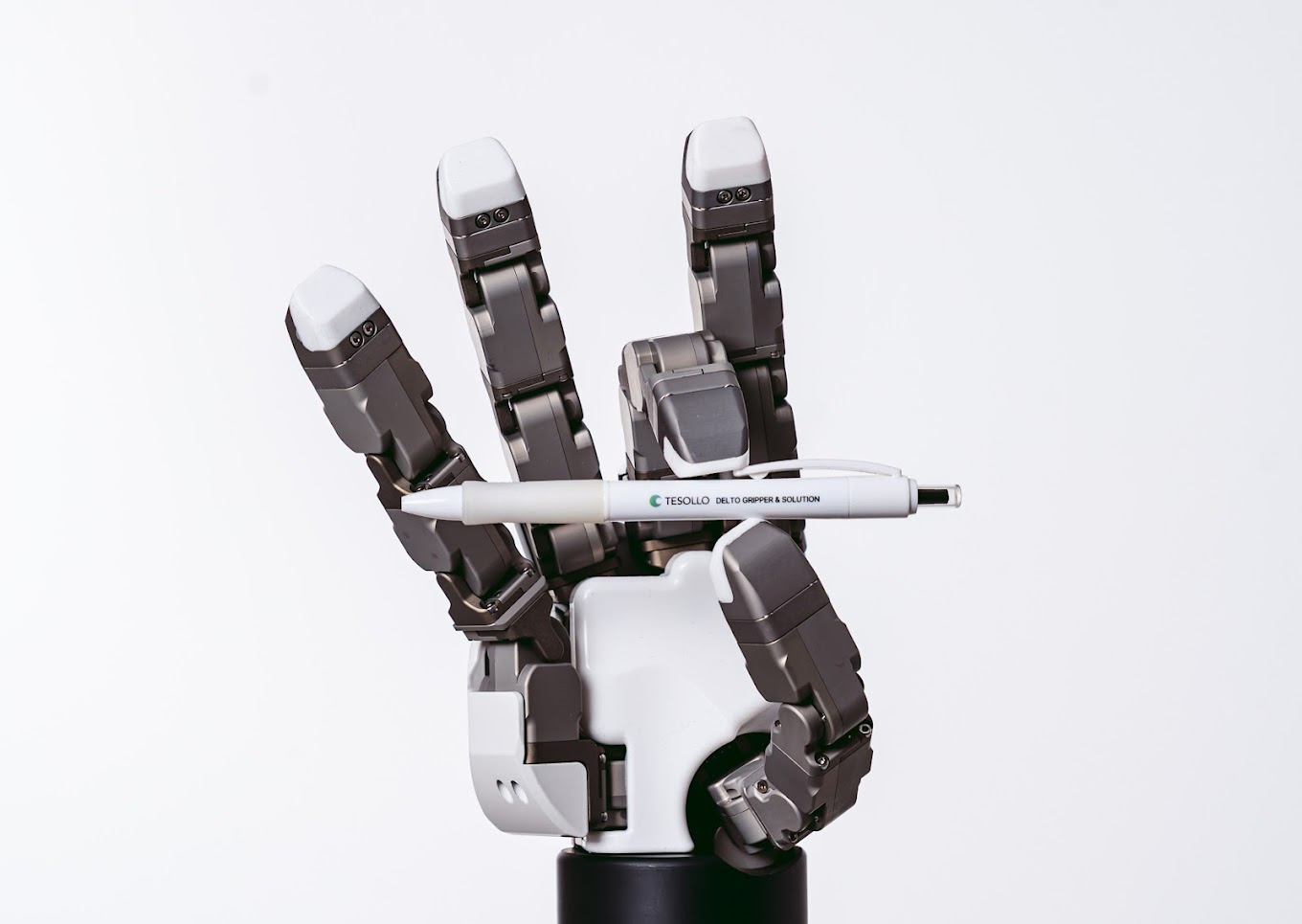
Tesollo has demonstrated the capabilities of its latest robotic technologies at recent events and focuses on multi-jointed hands for humanoid robots. This public launch will establish the firm as the first humanoid hand-focused company to complete an IPO.
Read more: Pudu Robotics prepares to launch world’s first 100% robot-operated hotel
How Tesollo compares with leading rivals
In the competitive field of dexterous robotic hands, Tesollo stands alongside established players such as Britain’s Shadow Robot Company, SCHUNK in Germany, and Wonik Holdings Co Ltd (KOSDAQ: 030530) subsidiary Wonik Robotics (South Korea). Each brings different strengths.
Tesollo has designed its latest DG-5F-S hand to weigh under 1 kilogram using its own actuators. This makes the hand lighter and roughly 60 per cent of the cost of earlier versions. The company highlights easier repair of fingers and joints for better durability in real use. It also works with NVIDIA Corp‘s (NASDAQ: NVDA) (ETR: NVD) Isaac Sim framework. This simulation tool lets engineers test movements, train AI models and try scenarios virtually before building prototypes, which speeds up development and cuts testing costs.
Shadow Robot stands out for its highly advanced dexterous hands with up to 24 degrees of freedom and excellent tactile sensing, making them a top choice for researchers working on teleoperation and complex manipulation tasks, though at an expensive price. SCHUNK, on the other hand, delivers compact, reliable servo-electric hands known for low energy consumption, easy integration with industrial robots and durability in factory settings.
Wonik Robotics’ Allegro Hand provides a more affordable and versatile option that is widely used in research and AI development thanks to its good performance and broad compatibility. They are still more expensive than Tesollo’s though.
Tesollo’s focus on low weight, affordability and repairability targets practical humanoid deployment where cost and uptime matter. Its leading competitors bring deeper track records in specific areas such as extreme dexterity, industrial integration, or broad research adoption.
Read more: Hyundai moves to full ownership of Boston Dynamics in USD$325M deal
Follow Rowan Dunne on LinkedIn
rowan@mugglehead.com