Agnico Eagle subsidiary selected for Lake George antimony exploration
New Brunswick started looking for a developer to restart the past-producing site in April
 Rowan Dunne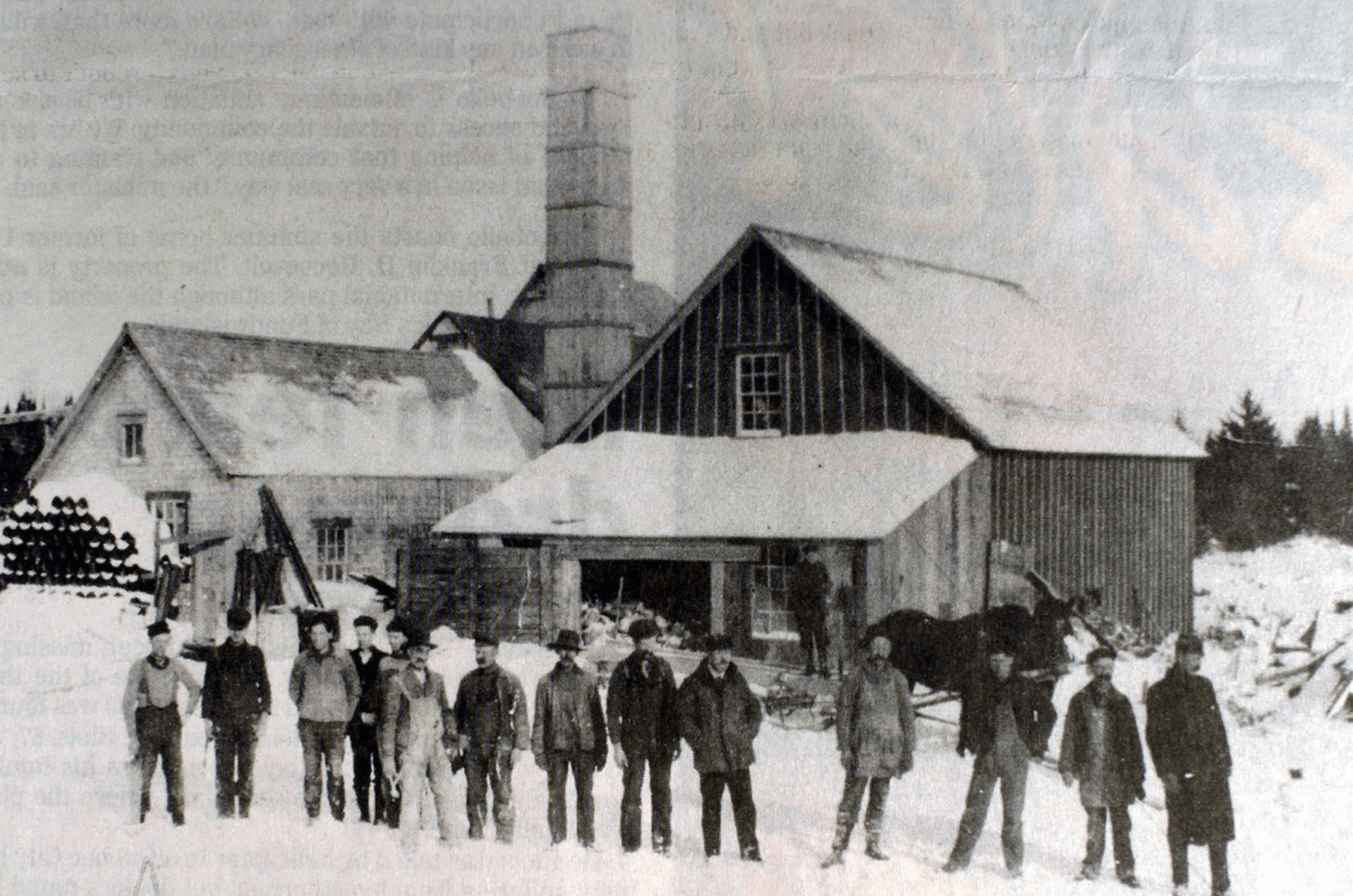
Antimony prices remain elevated after a historic surge, turning a once-overlooked metal into a hot commodity that governments and companies now chase.
Amid this activity, New Brunswick has chosen Agnico Eagle Mines Ltd TSEAEM NYSEAEM FRAAE9 subsidiary Avenir Minerals to negotiate an exclusive exploration agreement for the Canadian province’s past-producing Lake George antimony mine site. The government made the announcement in a news release on Jul. 7. Officials selected the company after a competitive process that drew strong interest from the sector.
The site sits about 30 kilometres southwest of Fredericton and holds an estimated 800,000 tonnes of antimony-bearing ore, according to historical reports.
“The Lake George site, with its known presence of antimony, as well as the potential for tungsten, molybdenum and gold, represents an invaluable opportunity to unlock the province’s mineral potential and meet the growing international demand for these materials,” said Natural Resources Minister John Herron.
Restarting a mine that closed in 1996 comes with no shortage of hurdles though. From environmental cleanup to securing new permits, the challenges are significant.
Antimony serves as a critical mineral for flame retardants, semiconductors, batteries and advanced military tech. Western nations increasingly seek reliable supplies away from heavy Chinese dominance, particularly after export curbs put into place by Beijing in 2024 that still impact Canada today.
Read more: NevGold Corp. reports antimony grades up to 53.7 per cent at Nevada project
Reviving a sleeping giant
Lake George once ranked as North America’s largest primary antimony mine. Miners worked the deposit intermittently from the 1870s until final closure in 1996, when low prices and operational challenges forced a shutdown. A restart makes sense today because secure supplies matter for modern industries and national security due to the metalloid’s value and supply deficit.
Antimony-bearing stibnite ore was first discovered in New Brunswick around 1863, with significant production beginning thereafter before economic hurdles slowed things down. The province produced antimony as a by-product from its northern base-metal mines as well.
Today, local prospectors such as Antimony Resources Corp CNSXATMY OTCMKTSATMYF FRAK8J0 and Slam Exploration Ltd CVESXL OTCMKTSSLMXF are keeping momentum alive with drill campaigns and deposit delineation.
Momentum is stronger south of the border
Enthusiasm for antimony burns even brighter in the United States.
At the Stibnite project in Idaho, Perpetua Resources Corp TSEPPTA NASDAQPPTA is advancing construction after it secured a major US$2.9 billion financing from the US Export-Import Bank. In Alaska, Nova Minerals Ltd (NYSEAMERICAN: NVA) FRAQM3 ASXNVA was recently awarded over 40 million dollars by the Department of War to push its Estelle gold-antimony operation forward.
Moreover, junior explorer NevGold Corp CVENAU OTCMKTSNAUFF FRA5E50 has been reporting steady progress at its Limousine Butte project in Nevada, positioning the site for near-term production.
Initiatives like these highlight North America’s push to develop domestic sources of this vital material.
Read more: NevGold launches 20,000-metre drill campaign at Nevada antimony-gold project
—————————————————————
NevGold is a sponsor of Mugglehead news coverage
—————————————————————
Follow Rowan Dunne on LinkedIn
rowan@mugglehead.com