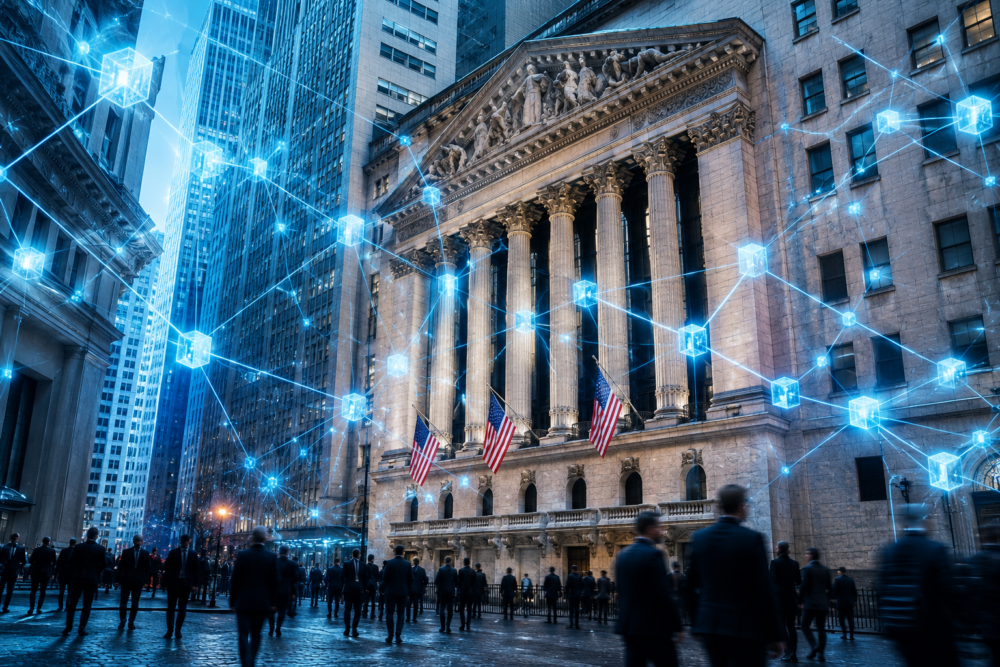

Shares of Securitize (NYSE: SECZ) climbed more than 8 per cent in their New York Stock Exchange debut on Thursday after the BlackRock, (NYSE: BLK) backed tokenization company completed its public listing through a merger with a Cantor Fitzgerald-backed special purpose acquisition company.
The stock slipped to USD$12.30 on Friday as the company advanced its push to bring traditional financial assets onto blockchain networks.
Securitize said its strategy remains focused on building regulated infrastructure for the next generation of capital markets. The company has spent the past eight years developing technology that converts ownership of real-world assets into blockchain-based digital tokens.
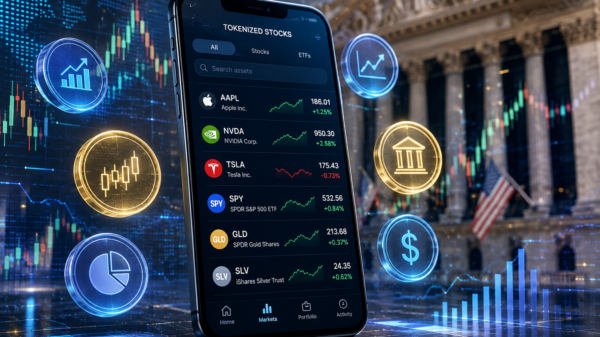
Additionally, Securitize marked its first trading day by issuing tokenized versions of approximately USD$266 million worth of SECZ shares. The company said that represents the largest tokenized public stock launched to date.
Chief executive and co-founder Carlos Domingo said the move demonstrates the company’s long-held belief that public equities will increasingly trade on blockchain networks. Rather than creating a synthetic asset, he said the tokenized shares represent the same common stock listed on the NYSE through regulated infrastructure.
The tokenized SECZ shares launched on the Avalanche and Solana blockchain networks. Eligible investors can also access them through Securitize’s regulated tokenization platform.
Meanwhile, Domingo described the launch as a model for other public companies considering tokenization. He said blockchain-based ownership could make holding and transferring shares more efficient while giving investors ways to use their assets.
Earlier this week, company president Brett Redfearn told Decrypt that tokenization could deliver practical benefits beyond faster trading. He said investors may use tokenized assets easier in decentralized lending markets without relying as heavily on traditional financial intermediaries.
Read more: How tokenization is reshaping ownership: A Mugglehead roundup
Read more: South Korea moves CBDC test into real-world banking environment
Tech could reshape ownership and trading
However, Redfearn acknowledged that many consumers may not yet recognize tokenization’s potential. He argued that reducing the number of middlemen could create new financial opportunities while reshaping established business models.
Tokenization converts ownership rights in existing assets, such as stocks, bonds or real estate, into digital tokens recorded on a blockchain. Supporters offer three places where the tech could have the most impact. The first is that it could lower transaction costs. The second involves improving settlement times and the third is expanding access to investments that have traditionally been more difficult to buy or sell.
As of June, Securitize managed more than USD$4 billion in assets under management.
Tokenization remains a small market today, but industry forecasts suggest it could expand rapidly over the next decade. Estimates place the current market for tokenized real-world assets in the tens of billions of dollars. Furthermore, projections from major financial institutions range from roughly USD$2 trillion to more than USD$30 trillion by the early 2030s.
Additionally, supporters argue the technology could reshape ownership and trading across global equity, bond and real estate markets. BlackRock, Franklin Resources (NYSE: BEN), Robinhood Markets (NASDAQ: HOOD), Coinbase Global (NASDAQ: COIN), have all expanded their tokenization efforts as they position themselves for broader adoption. However, many analysts expect growth to depend on regulatory clarity, institutional participation and wider investor acceptance.
.