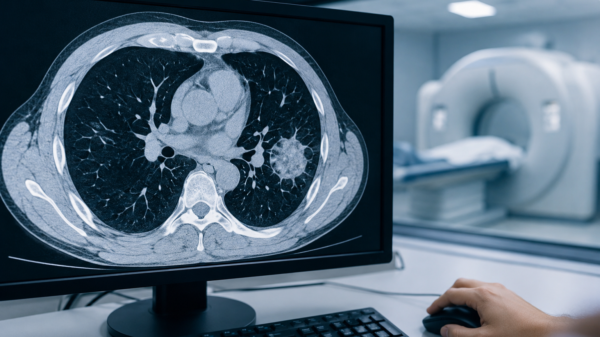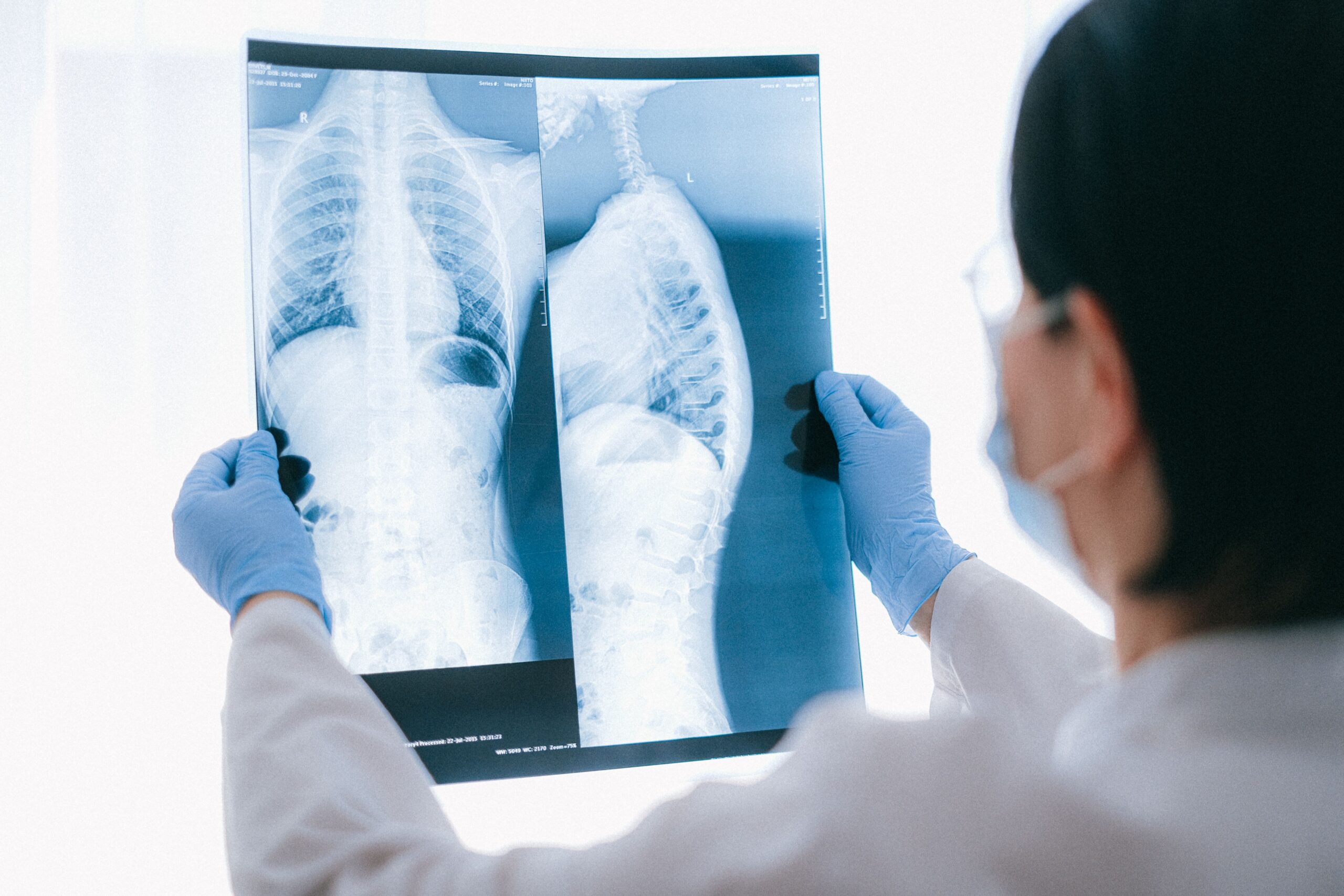

AI tools now help radiologists turn complex images into actionable reports faster than ever, easing the strain of surging scan volumes that have driven lengthy interpretation times in recent years.
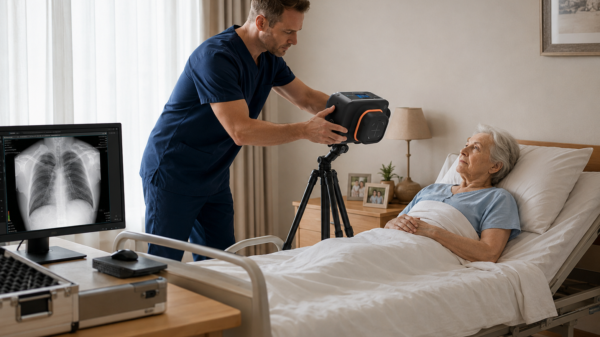
One such advancement comes from New York-based medtech company Aidoc, which secured FDA Breakthrough Device Designation for its newly revealed First Read software on Jun 25. Its AI analyses chest X-rays and generates preliminary, high-quality draft reports for a radiologist to review and sign off on.
The system, still in development with expedited review, targets more than 100 pre-specified findings on adult chest radiographs. Aidoc has not yet disclosed the full list of indications, as the product remains investigational and awaits full clearance. Observers expect strong application in spotting lung malignancies and other urgent issues, given the focus on life-threatening conditions that earned the Breakthrough status (granted for four such unspecified, life-threatening findings).
This development builds directly on Aidoc’s existing platform. The company already deploys AI across nearly 2,000 hospitals worldwide and has analysed over 120 million patient cases. First Read extends the same clinically validated Clinical AI Reasoning Engine (CARE) model used in its FDA-cleared abdominal CT triage tools into report drafting, thereby integrating into existing imaging and electronic medical record workflows. It marks Aidoc’s second Breakthrough designation in under a year, following its CARE Triage solution for abdominal CT scans in September.
Aidoc also collaborates tech majors NVIDIA Corp (NASDAQ: NVDA) (ETR: NVD) and Amazon Web Services to support the training and integration of its clinical AI tech across health systems.
The medtech developer’s approach differs from competitors. Qure.ai’s qXR software primarily excels at detecting abnormalities like suspicious lung nodules on chest X-rays and has supported real-world early cancer diagnoses, such as in Scotland. Another, Optellum, focuses on AI-driven risk assessment for lung nodules identified on CT scans. Unlike these, First Read stands out by generating full draft reports rather than primarily flagging findings.
The designation follows other recent Breakthrough approvals in chest screening technology. Notably, Breath Diagnostics received one earlier in 2026 for its OneBreath platform, which analyses exhaled breath to assess postoperative pneumonia risk in cardiac surgery patients.
Radiologists continue to face growing workloads and workforce shortages. Tools like First Read aim to reduce time spent on routine reporting so clinicians can focus on complex judgment and patient care. While generative AI introduces risks such as errors or automation bias, Aidoc stresses clinician oversight remains essential.
“We need technology that helps radiologists become superhuman,” said Aidoc CEO Elad Walach, “and that is what First Read is designed to do.”
Read more: Breath Diagnostics advances pre-op pneumonia screening with FDA breakthrough designation
Follow Rowan Dunne on LinkedIn
rowan@mugglehead.com