
Urine and breath analyses have been attracting the attention of healthcare professionals for their simple and minimally invasive nature. They offer comfort, speed and lower costs compared with older methods.
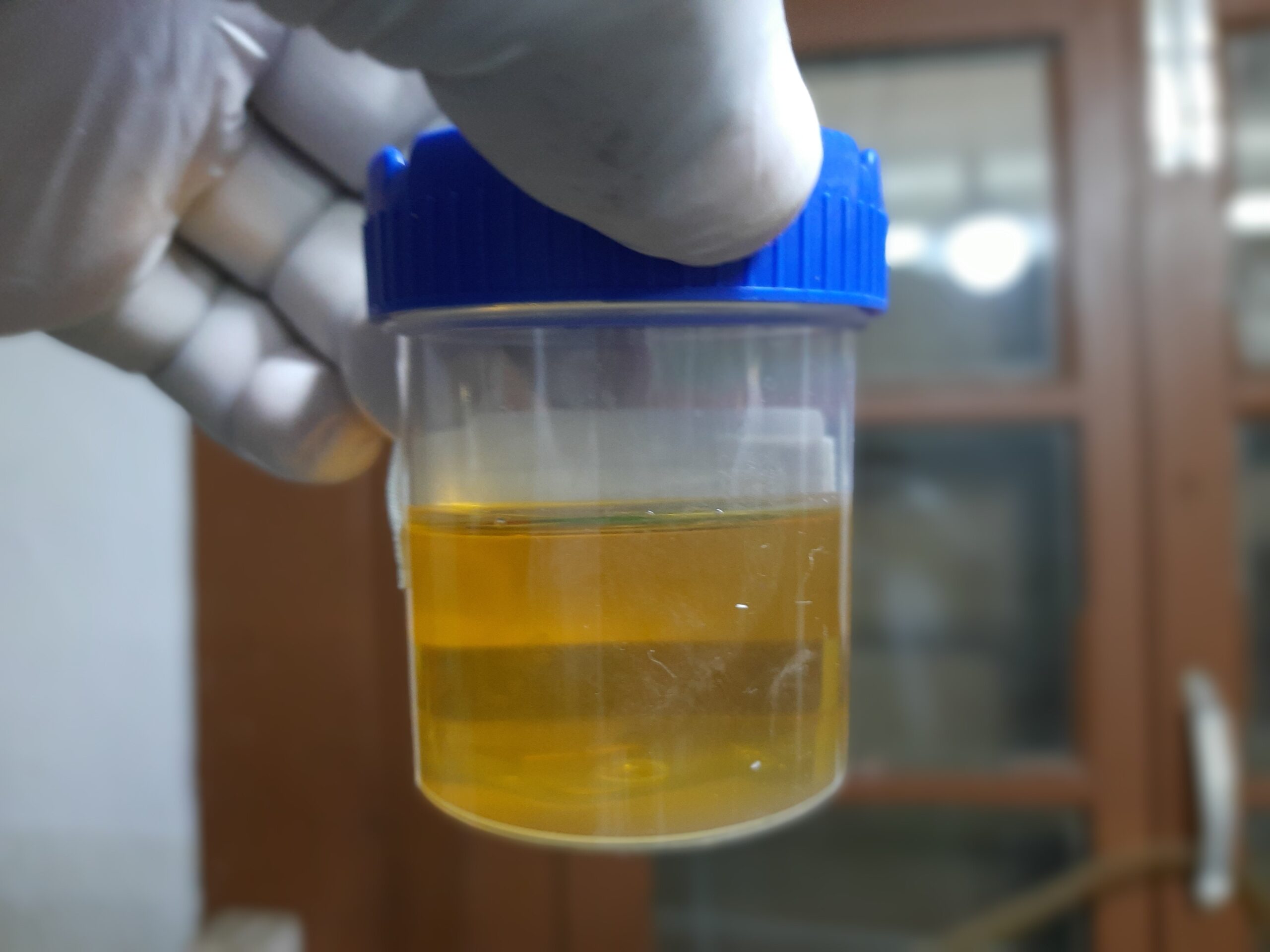
In a recent development, BioMark Diagnostics Inc (OTCMKTS: BMKDF) (CNSX: BUX) (FRA: 2OB) just secured a broad U.S. patent for its new urine-based lung cancer screening test. This patent protects the company’s new method of identifying a specific group of natural chemicals in urine to spot lung cancer.
Doctors can use it to detect the disease, check treatment response, screen high-risk groups and test new drugs — as specified in a news release on Jun. 9. The move strengthens BioMark’s liquid biopsy portfolio beyond its flagship blood test. Both harness metabolomics to analyze associated biomarkers.
This development builds on recent milestones, such as presenting the company’s early detection platform at the Canadian Thoracic Society Research Forum in April and having research that BioMark completed on machine learning models for lung cancer detection appear in the peer-reviewed journal Frontiers in Oncology.
Read more: Breath Diagnostics advances pre-op pneumonia screening with FDA breakthrough designation
BioMark one of few pursuing lung cancer urine analysis
The British Columbia-headquartered biotech company is not alone in this space, but not many have taken this route.
One prominent school, the University of Cambridge, has also created a urine test that finds “zombie” senescent cells tied to lung cancer growth and treatment resistance. Their nano-sensor method could detect signs months or years earlier and track relapse among those who already have had the condition.
In Japan, startup Craif raised US$22 million to bring its miSignal urine test to the United States last year. This AI-powered test studies urinary microRNA from exosomes. It currently checks risk for seven cancers, including lung cancer, and is already sold in Japanese pharmacies. Craif was also recently chosen to join Johnson & Johnson‘s (NYSE: JNJ) (ETR: JNJ) JLABS accelerator in San Diego to help speed up its expansion into the U.S. market.
BioMark’s metabolomics approach stands out because it focuses on early metabolic shifts, works with standard lab equipment and needs only small sample volumes for quick results.
Breath tests show great promise
This screening modality is also moving forward quickly, with many tests in the advanced stages of development and well on their way into the clinic.
Notably, Breath Diagnostics offers its OneBreath system. Patients breathe once into a bag and the microreactor technology analyses volatile compounds in about 10 minutes. It has demonstrated high sensitivity and specificity in multiple trials.
Additionally, South Korea’s Electronics and Telecommunications Research Institute recently developed the Breath-X system. It uses 70 sensors and artificial intelligence to detect lung cancer markers with 95 per cent accuracy in 20 minutes.
Owlstone Medical is also advancing its breath biopsy platforms while Breathe BioMedical expands breath-based studies, including work on breast cancer with possible lung applications.
Urine and breath tests rank among the most promising tools. They could help eliminate the diagnostic headaches linked with low-dose CT scans once more widely employed.
Read more: Prestigious medtech intelligence firm recognizes Breath Diagnostics for innovation
Follow Rowan Dunne on LinkedIn
rowan@mugglehead.com