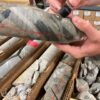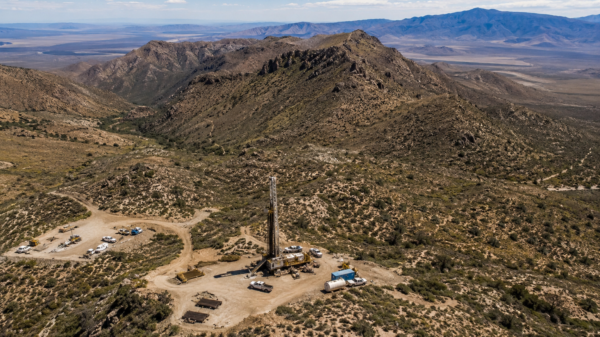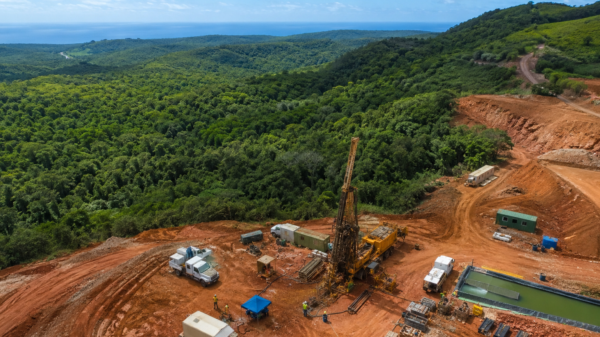

Felix Gold Ltd (ASX: FXG) (OTCMKTS: FXGDF) (FRA: W0X) has started extracting and stockpiling material at its Treasure Creek project in Alaska. This work focuses on high-grade antimony-bearing rock and moves the company closer to processing the material.
Revealed on Jun. 4, the step marks steady progress toward possible small-scale production. Shares rose by over 6 per cent on the back of the news. To date, the junior has extracted 30 tonnes of stibnite vein material with approximately 20 tonnes bagged.
Felix’s project sits about 30 kilometers from Fairbanks and benefits from road access. Workers can reach the site easily, which helps keep early activities straightforward. Felix Gold has also secured full ownership of the key leases and claims.
Historical work at the site, including past antimony mining, provides useful background information. The company reports that the material contains a high percentage of antimony minerals and few unwanted elements. This quality could support simpler processing paths, likely gravity concentration given stibnite vein nature.
In a news release Thursday, Executive Director Joseph Webb explained that Treasure Creek has been accepted into the State of Alaska’s coordinated permitting process.
“Felix is no longer just drilling antimony,” Webb added. “It is now physically extracting and stockpiling antimony ore in the United States under permit, while advancing a pathway to domestic processing.”
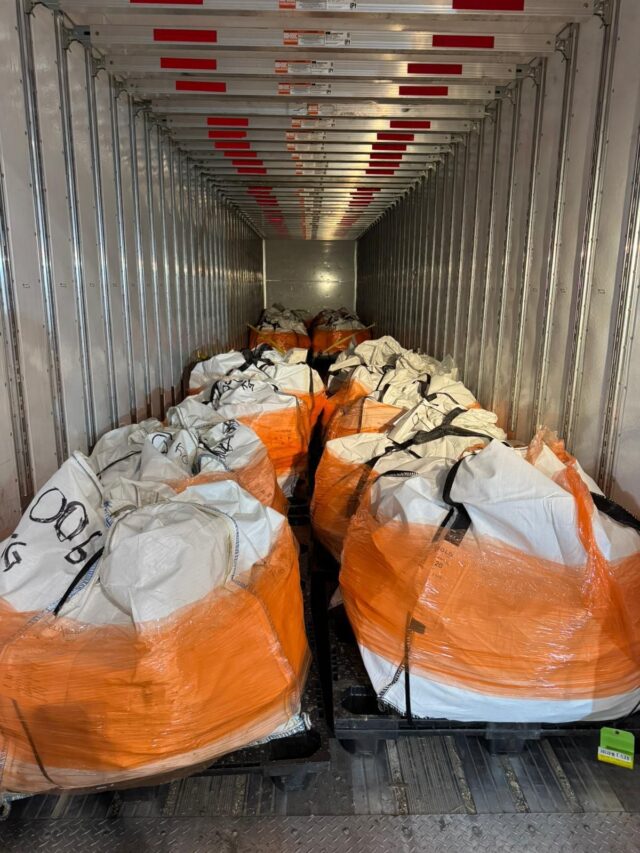
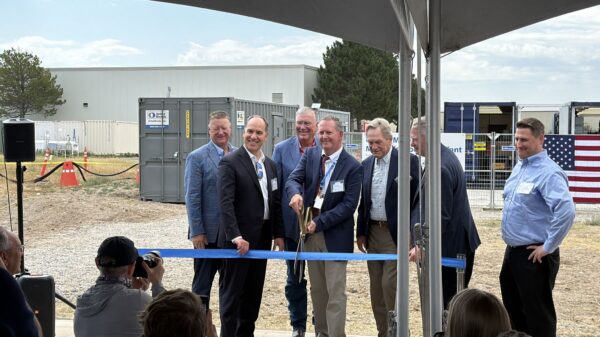
Photo credit: Felix Gold
Read more: NevGold Corp. reports antimony grades up to 53.7 per cent at Nevada project
How Treasure Creek compares to Estelle
Both Felix Gold’s Treasure Creek operation and Nova Minerals Ltd‘s (OTCMKTS: NVAAF) (FRA: QM3) (ASX: NVA) Estelle site stand out as major antimony efforts in Alaska.
Treasure Creek operates at a smaller, more focused scale with an emphasis on near-term, high-grade material extraction. Estelle covers a much larger area, over 500 square kilometres, and forms part of a big gold district with antimony potential across multiple spots.
Nova works toward larger production supported by millions in government funding while Felix targets a modest output of a few thousand tons of ore per year initially.
Alaska has a long history of antimony mining, often tied to gold deposits. Production slowed in past decades, but high prices today have sparked new interest. Influential companies such as United States Antimony Corp (NYSE: UAMY) also stay active in the state. This renewed activity reflects broader efforts to build secure domestic supplies of the metal, which many industries use.
One other U.S. miner is in an ample position
Although attention on Alaskan projects remains elevated, another U.S. company holds a practical advantage.
NevGold Corp (CVE: NAU) (OTCMKTS: NAUFF) (FRA: 5E50) has large volumes of antimony-bearing material already mined and stacked at its Limo Butte site in Nevada. This brownfield location, with past gold operations, allows the company to consider processing existing stockpiles without starting from scratch. Recent drilling shows strong antimony results in near-surface oxide material.
NevGold is aiming for antimony output in 2027 after testing these pads and advancing resource work. An inaugural mineral resource estimate is expected by the end of this year.
Alongside Alaska, Nevada has grown into one of the leading areas in the U.S. for antimony interest. Military Metals Corp (CNSX: MILI) (OTCMKTS: MILIF) (FRA: QN90), A2 Gold Corp (CVE: AUAU) (OTCMKTS: AUXXF) (FRA: RR7) and EV Resources Ltd (FRA: R1EA) (ASX: EVR) are a few others actively pursuing the critical mineral in this mining-friendly state.
Read more: NevGold launches 20,000-metre drill campaign at Nevada antimony-gold project
NevGold is a sponsor of Mugglehead news coverage
Follow Rowan Dunne on LinkedIn
rowan@mugglehead.com