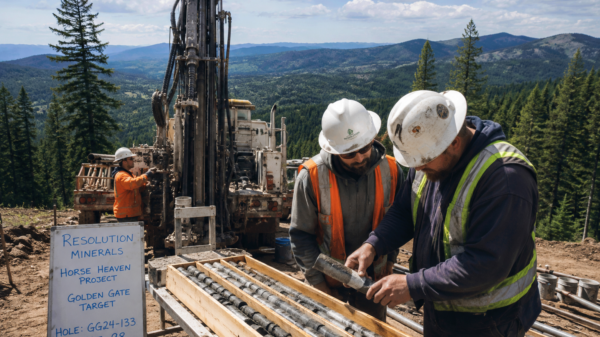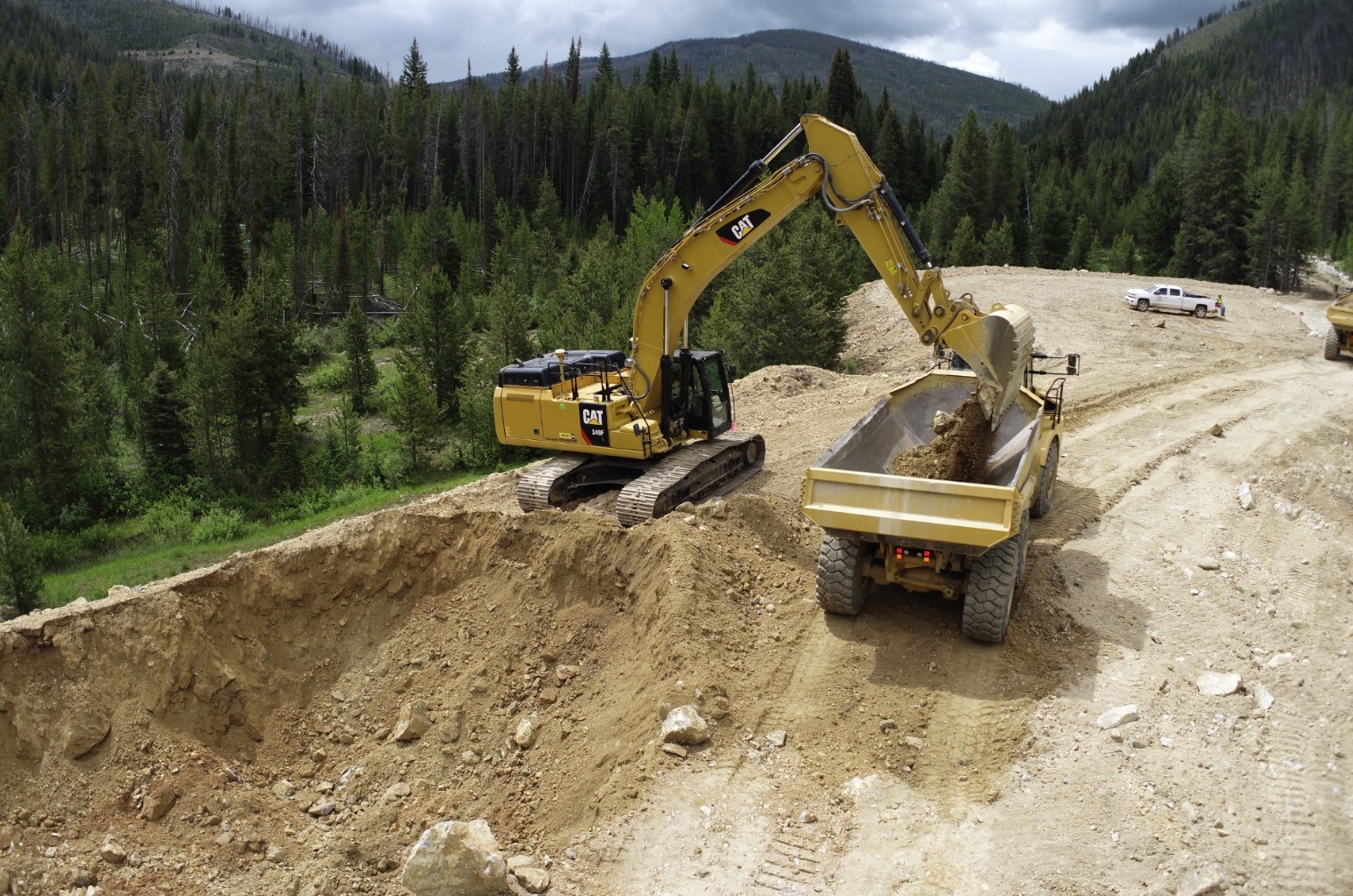

Perpetua Resources Corp (TSE: PPTA) (NASDAQ: PPTA) has secured a major US$2.9 billion loan from the Export-Import Bank of the United States. This financing strengthens the company’s plan to develop the Stibnite Gold Project in Idaho and supports broader efforts to build domestic supply chains for critical minerals.
Announced on May 22, the loan approval builds directly on Perpetua’s recent early construction activities at the site that the Trump administration fast-tracked to reduce reliance on foreign sources for antimony. Stibnite is expected to cater to more than one third of American demand for the critical mineral.
The loan runs for 13 years and is secured by the project’s assets. Perpetua can initially borrow US$2.4 billion. It carries a fixed interest rate tied to long-term U.S. Treasury rates plus 1 per cent. Repayments begin in 2030.
This development carries significant implications for U.S. resource security. It allows Perpetua to move forward with full construction funding when paired with its existing cash position.
It also includes plans for environmental restoration of the historic mining area and the creation of hundreds of jobs in rural Idaho.
Read more: NevGold launches 20,000-metre drill campaign at Nevada antimony-gold project
National security implications
The Stibnite project delivers strategic value because antimony serves essential roles in defence applications, semiconductor manufacturing and renewable energy tech.
With China controlling most of the global supply, this initiative creates a reliable American source to reduce foreign dependencies. Perpetua continues to advance partnerships with the Department of Defense and works toward commercial offtake agreements while applying modern mining methods to restore the previously active mine site. This support reflects coordinated government backing, including prior FAST-41 designation.
The latest EXIM financing coincides with rising demand for antimony across the United States. National security requirements for munitions and military electronics drive much of this growth, along with industrial needs in flame retardants, batteries and solar components. Companies focused on domestic supply now draw strong investor interest.
United States Antimony Corp (NYSE: UAMY) is now benefitting from a US$27 million Department of War investment and a key supply contract to upgrade its refining capabilities. Nova Minerals Ltd (FRA: QM3) (ASX: NVA) also gained attention in September after receiving a US$43.4 million government award to speed up antimony work at its Estelle project in Alaska.
Among U.S. antimony mining companies, NevGold Corp (CVE: NAU) (OTCMKTS: NAUFF) (FRA: 5E50) is also a standout. The junior’s Limo Butte project offers strong potential for near-term production. This brownfield site includes historic crushed leach pad material stockpiles that contain oxide antimony and gold, which should allow faster development and possible output as early as 2027.
EXIM funds other mining projects
The Export-Import Bank has provided financing for other important global projects recently.
In December, it committed US$1.25 billion toward Pakistan’s Reko Diq copper-gold development. Barrick Mining Corp (TSE: ABX) (NYSE: B) (ETR: ABR0) has a 50 per cent stake in this company while the remainder is held by Pakistani companies and the state’s government.
Additionally, the bank provided Titan Mining Corp (TSE: TI) (NYSEAMERICAN: TII) (FRA: 3T00) with US$15.8 million for its zinc and graphite mining endeavours in June last year.
Read more: NevGold pushes toward potential 2027 antimony production at Limousine Butte
NevGold is a sponsor of Mugglehead news coverage
Follow Rowan Dunne on LinkedIn
rowan@mugglehead.com