Rare earth shortages drive US mining expansion and antimony exploration
The Payne Institute for Public Policy estimates American forces have launched thousands of missiles against Iranian targets since late February
 Joseph Morton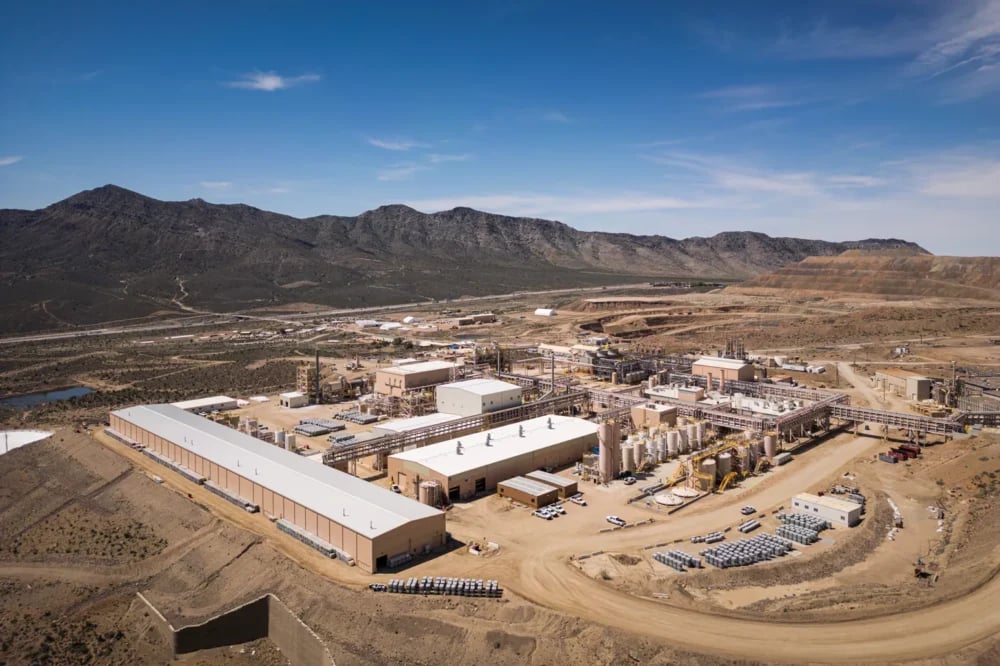
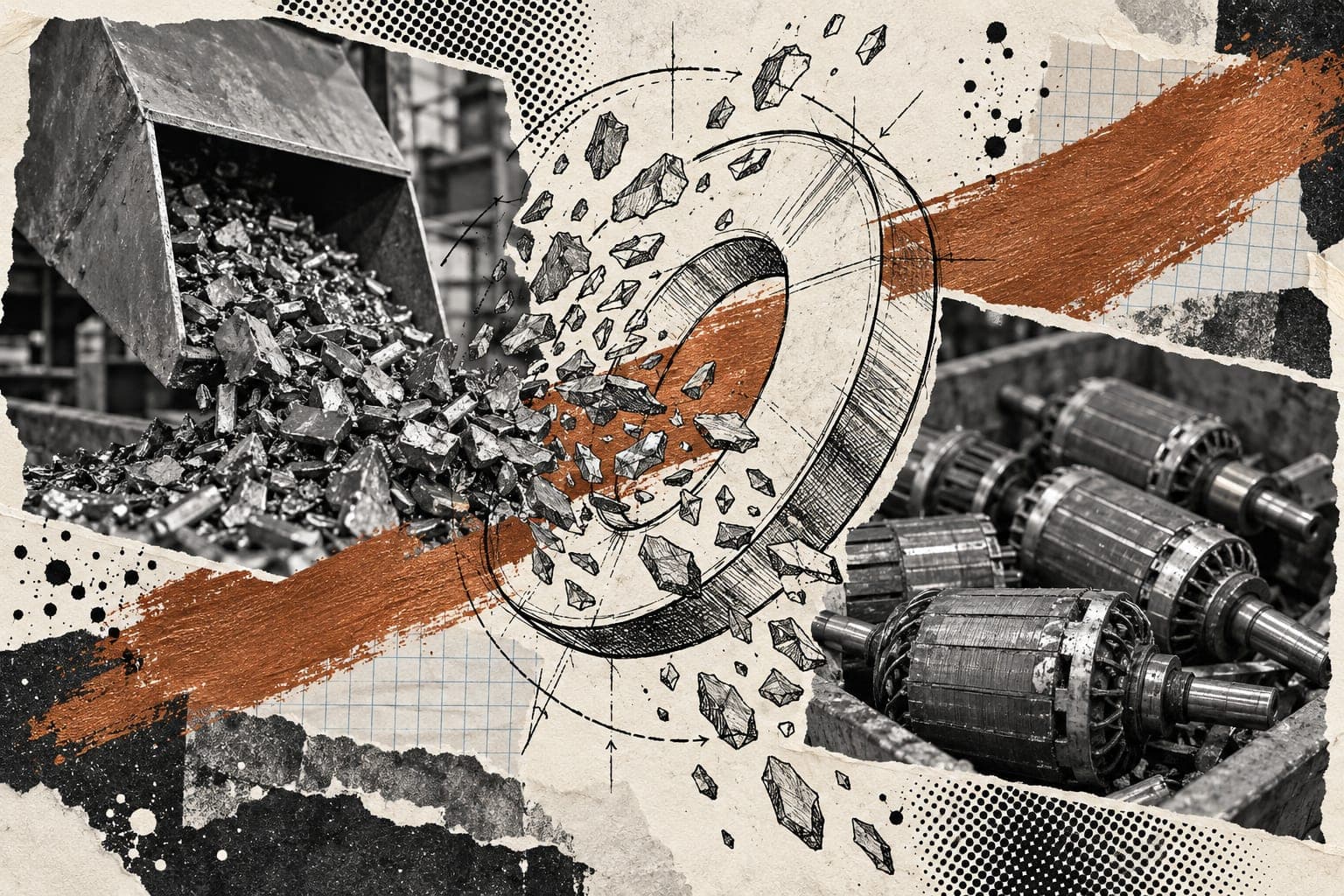
The United States is racing to build a rare earth supply chain independent from China as growing military demand strains global mineral markets during the conflict involving Iran. American officials and mining companies are now accelerating domestic production, refining and magnet manufacturing to secure materials needed for missiles, fighter jets and advanced defence systems.
Rare earths are a group of 17 metals used in electronics, renewable energy systems and military equipment. Although consumer devices require only small amounts, modern weapons systems need far more material. Tomahawk and Patriot missiles each use hundreds of grams of rare earth elements in guidance systems, motors and targeting equipment.
The Payne Institute for Public Policy estimates American forces have launched thousands of missiles against Iranian targets since late February. Consequently, analysts believe the Pentagon could face mounting pressure to replenish depleted stockpiles.
Mahnaz Khan from the Silverado Policy Accelerator said the Middle East conflict is revealing which minerals are truly essential for defence production. Additionally, she warned that supply chain disruptions could affect the United States’ ability to rebuild its weapons inventory.
The Center for Strategic and International Studies stated in April that restoring missile inventories could take years. Furthermore, researchers said the United States still lacks enough domestic processing capacity to compete with China’s dominant position in the sector.
Neodymium and praseodymium remain the industry’s most important rare earths. Manufacturers use them to produce permanent magnets for electric vehicles, smartphones, wind turbines and military systems. Meanwhile, samarium plays a critical role in specialized defence magnets built for harsh operating conditions.
Read more: NevGold reports over 93 per cent gold recovery after antimony processing at Limousine Butte
Read more: NevGold raises up to CAD$25M to fast-track Limo Butte development
US is expanding domestic antimony exploration
The United States has expanded domestic rare earth production during the past decade through subsidies and tax incentives. Under both Donald Trump and Joe Biden, the country increased its share of global output from three per cent to 13 per cent.
Until recently, America relied almost entirely on the Mountain Pass mine in California, operated by MP Materials Corp. NYSEMP. However, several new projects have entered development across Wyoming, Montana and Nebraska as Washington pushes for greater mineral security.
In Wyoming, Ramaco Resources NASDAQMETC opened the Brook mine last year. Additionally, the project became the first new American rare earths mine launched in more than 70 years, though commercial production has not yet begun.
The United States is also expanding domestic antimony and critical mineral exploration. NevGold Corp CVENAU OTCMKTSNAUFF FRA5E50 has continued advancing its Limousine Butte project in Nevada, where recent drilling identified antimony mineralization alongside gold potential.
“Limo Butte continues to distinguish itself from other antimony projects globally with its unique geo-metallurgical characteristics and simple, leach processing flowsheet, compared to more complex sulphide projects which have challenging cost structures and metallurgy,” said Brandon Bonifacio, CEO of NevGold.
Antimony remains essential for ammunition, flame retardants and military applications. Furthermore, western governments increasingly view the metal as strategically important because China controls much of the global supply chain.
Washington has also pursued foreign partnerships to secure critical mineral supplies. Earlier this year, the Trump administration helped facilitate startup USA Rare Earth’s NASDAQUSAR acquisition of Brazilian producer Serra Verde. Additionally, the American government took a 10 per cent stake in the company in January.
Read more: NevGold reports more positive drill results as gold-antimony resource estimate nears
Read more: NevGold positions Nevada project for near-term antimony output
Chinese authorities placed restrictions on rare earth exports
Mining alone does not solve the supply chain problem. Rare earth ore still requires separation and refining before manufacturers can use the materials in magnets and electronics. However, China controls roughly 91 per cent of global rare earth separation capacity, according to the International Energy Agency.
Chinese authorities have previously restricted rare earth exports during geopolitical disputes. Consequently, the United States, Japan, India and France have all accelerated efforts to weaken Beijing’s control over the market.
Rare earths are expected to feature prominently in discussions between Trump and Chinese President Xi Jinping this week in Beijing. Meanwhile, American companies are moving quickly to establish domestic refining operations before future trade tensions emerge.
James Litinsky, chief executive of MP Materials, recently said the company plans to begin separation activities at Mountain Pass very soon. The United States government currently owns roughly 15 per cent of the company as part of broader efforts to strengthen domestic processing capacity.
Energy Fuels NYSEAMERICANUUUU also expanded into the rare earths sector earlier this year. In January, the uranium producer acquired Australia’s ASM and announced plans to construct a new American separation facility. Additionally, USA Rare Earth partnered with French specialist Carester to improve separation technologies.
Several American firms have already started producing permanent magnets domestically. Vulcan Elements and eVAC Magnetics launched manufacturing operations last year, while MP Materials plans to enter the market soon.
Vulcan Elements chief executive John Maslin said the company wants to provide secure, China-independent magnet supplies for the United States and allied nations. Furthermore, he argued the industry must innovate rather than simply duplicate Chinese production methods.
NevGold Corp is a sponsor of Mugglehead news coverage
.