
NexGold Mining Corp. (CVE: NEXG) (OTCMKTS: NXGCF) has launched two airborne geophysical surveys at its Goldboro Gold Project in Nova Scotia as the company continues advancing exploration alongside an updated feasibility study.
According to a Tuesday press release, the company has started a 2,496-line kilometre helicopter airborne Versatile Time Domain Electromagnetic, or VTEM, survey and a 2,656-line kilometre FALCON fixed-wing airborne gravity gradiometer survey across approximately 32,007 hectares of prospective land. Additionally, NexGold expects both surveys to finish during the second quarter of 2026.
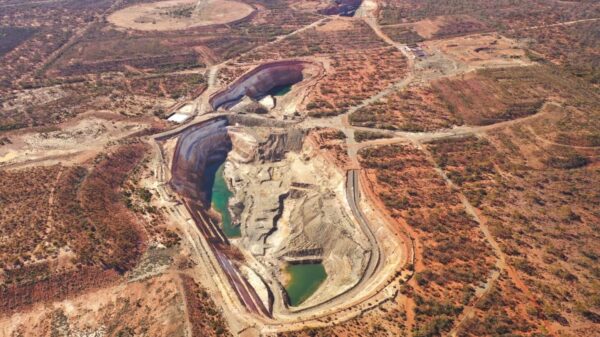
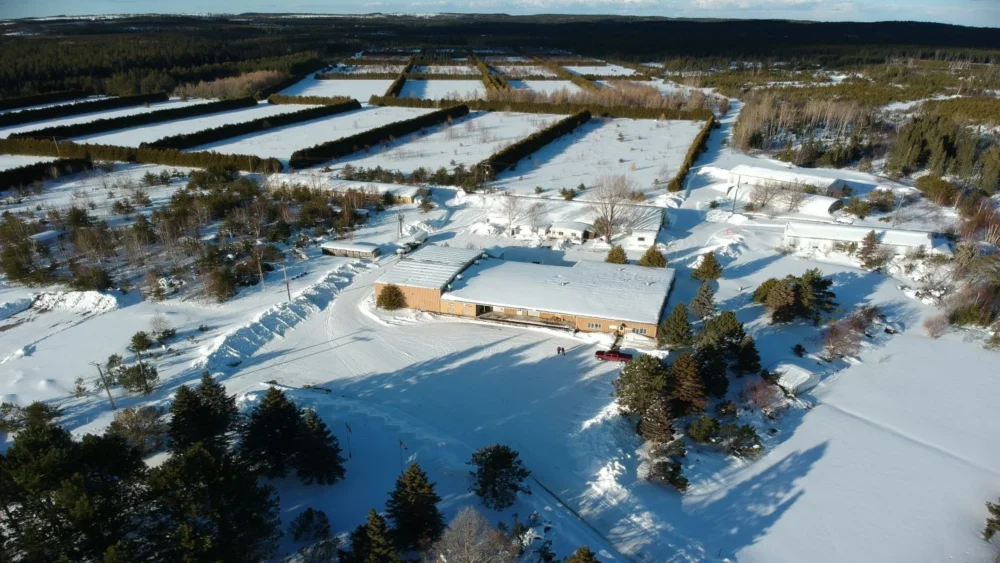
The Goldboro Gold Project sits along Nova Scotia’s eastern shore near the community of Goldboro. The advanced-stage development asset hosts a sizeable gold resource and remains one of Atlantic Canada’s better-known undeveloped gold projects. Furthermore, the property covers a large section of the historic Moose River gold district.
VTEM surveys help geologists map conductive materials beneath the surface by measuring electromagnetic responses from underground rocks. Consequently, exploration teams can identify geological structures that may host mineralization without extensive drilling.
Meanwhile, FALCON gravity gradiometer surveys measure subtle variations in the Earth’s gravitational field. Those changes often reflect differences in underground rock density. Additionally, the technology can help define faults, intrusive bodies and other geological features linked to gold systems.
NexGold plans to combine the new airborne data with existing geological and geochemical information. The company believes the integrated dataset could identify additional exploration targets across the broader Goldboro land package.
Read more: NevGold reports more positive drill results as gold-antimony resource estimate nears
Read more: NevGold positions Nevada project for near-term antimony output
Satellite deposit discovery could strengthen project economics
President and chief executive officer Kevin Bullock said NexGold initiated the surveys to support both regional exploration and further characterization of the existing deposit. He explained that the company expects the resulting geophysical signatures to help locate geological features associated with similar styles of gold mineralization.
Bullock also said NexGold remains focused on completing the updated Goldboro feasibility study. However, he noted the company continues pursuing opportunities beyond the current mineral resource estimate.
Additionally, Bullock said the discovery of satellite deposits could strengthen the project’s long-term economics. He added that nearby mineralized zones may eventually share planned infrastructure at Goldboro, including a centralized milling facility.
The surveys form part of NexGold’s broader strategy to expand the project’s exploration potential while advancing development work. Furthermore, the company aims to better understand the regional geological controls influencing gold mineralization throughout the district.
.
joseph@mugglehead.com