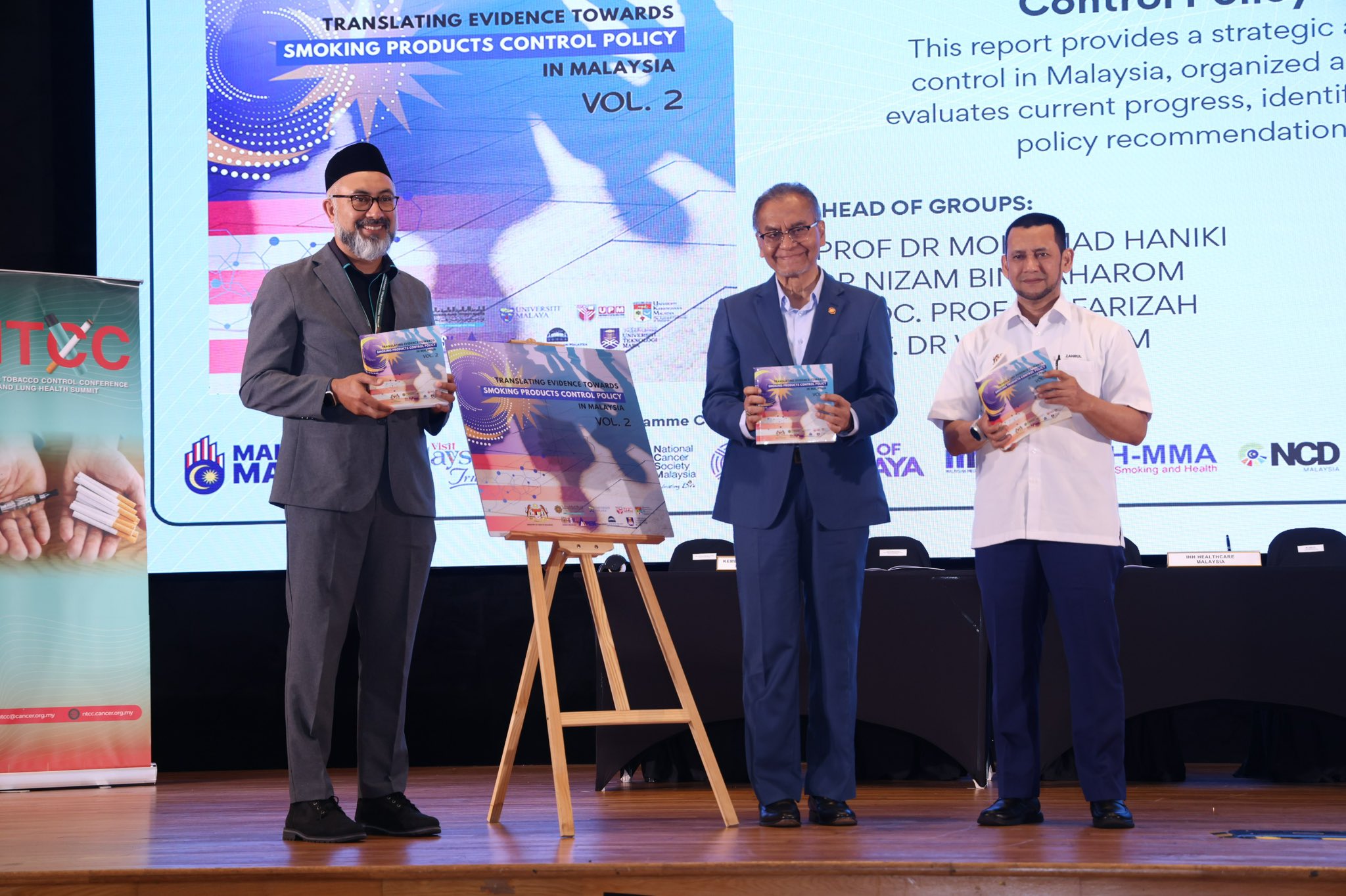

Malaysian Health Minister Datuk Seri Dr Dzulkefly Ahmad has announced that 10,000 traffic police personnel will receive early lung disease screening because they face high daily exposure to occupational hazards like vehicle emissions and environmental pollutants.
Traffic police officers spend long hours daily breathing in heavy vehicle fumes and roadside pollution, placing them at a significantly higher risk of developing lung problems. This targeted screening drive gives these frontline officers access to early detection, aiming to catch any issues before they become serious while setting the stage for wider rollout across other high-risk groups.
This new initiative — a collaboration between IHH Healthcare, the nation’s Health Ministry and the Royal Malaysia Police — is the latest major phase of the Lungshield programme launched late last year.
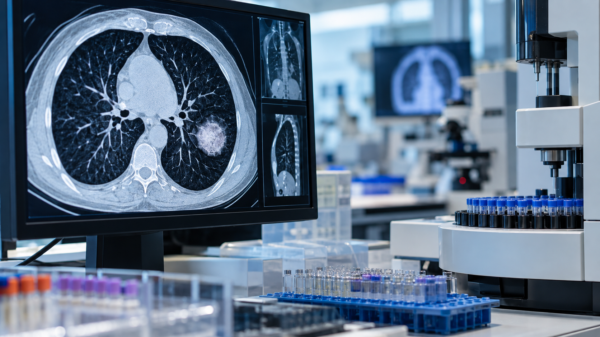
Lungshield offers a screening and diagnostic approach that allows participants to undergo AI-assisted chest X-ray screenings followed up with radiologist reports. If the initial scan finds any issues, participants get clear follow-up tests and micro-insurance to help cover the cost of further checks like CT scans or biopsies.
This setup helps overcome barriers to advanced examinations and speeds up the process from detection to diagnosis, often within days instead of weeks or months.
Salam 🇲🇾 MADANI ❤️,
Honoured to launch the National World No Tobacco Day 2026 & the IHH-KKM-PDRM LungShield Programme today. We are moving beyond ceremonies to high-impact execution.
📍 Malaysia is turning the historic WHA78 Lung Health Resolution into a reality. We are… https://t.co/D2XQIRLRFA pic.twitter.com/4SS0nWMink— Dzulkefly Ahmad (@DrDzul) May 10, 2026
Read more: Breath Diagnostics advances pre-op pneumonia screening with FDA breakthrough designation
Malaysia confronts a worsening lung cancer crisis
This rollout arrives as Malaysia grapples with a growing lung cancer burden. An estimated 95 per cent of cases reach Stage 3 or 4 at diagnosis, contributing to a low five-year survival rate of around 11 per cent.
The Malaysian Council for Tobacco Control has been stressing that healthcare workers need better training to help patients quit smoking and vaping effectively.
Leaders from this organization have highlighted that providing stronger clinical instruction to doctors, nurses and radiographers will improve early identification of lung issues and support citizens’ efforts to quit.
Tobacco smoking affects nearly 5 million Malaysian adults while youth vaping rates have risen significantly in recent years.
Global innovations transform lung cancer screening
Despite valid concerns, this push for broader screening coincides with unprecedented global advances in lung cancer detection.
In this regard, Breath Diagnostics stands out with its OneBreath technology, a non-invasive breath analysis tool that detects volatile organic compounds linked to lung cancer from a single exhale. The company’s patented microreactor approach promises high sensitivity for early-stage detection, offering a faster, radiation-free alternative or complement to conventional methods like low-dose CT. Though not commercially available yet, it shows great future promise.
Innovations like these, alongside AI-powered imaging and improved diagnostics, raise hope for shifting more cases toward early intervention.
Read more: Prestigious medtech intelligence firm recognizes Breath Diagnostics for innovation
Follow Rowan Dunne on LinkedIn
rowan@mugglehead.com