
Scientists in Israel have engineered tobacco plants to churn out five powerful psychedelic compounds at once.
Researchers at the Weizmann Institute of Science turned ordinary leaves into a living factory for mind-altering chemicals once harvested only from magic mushrooms, jungle vines and desert toads. They published their research in the journal Science Advances on Apr. 1. It is not an April Fools’ Day joke.
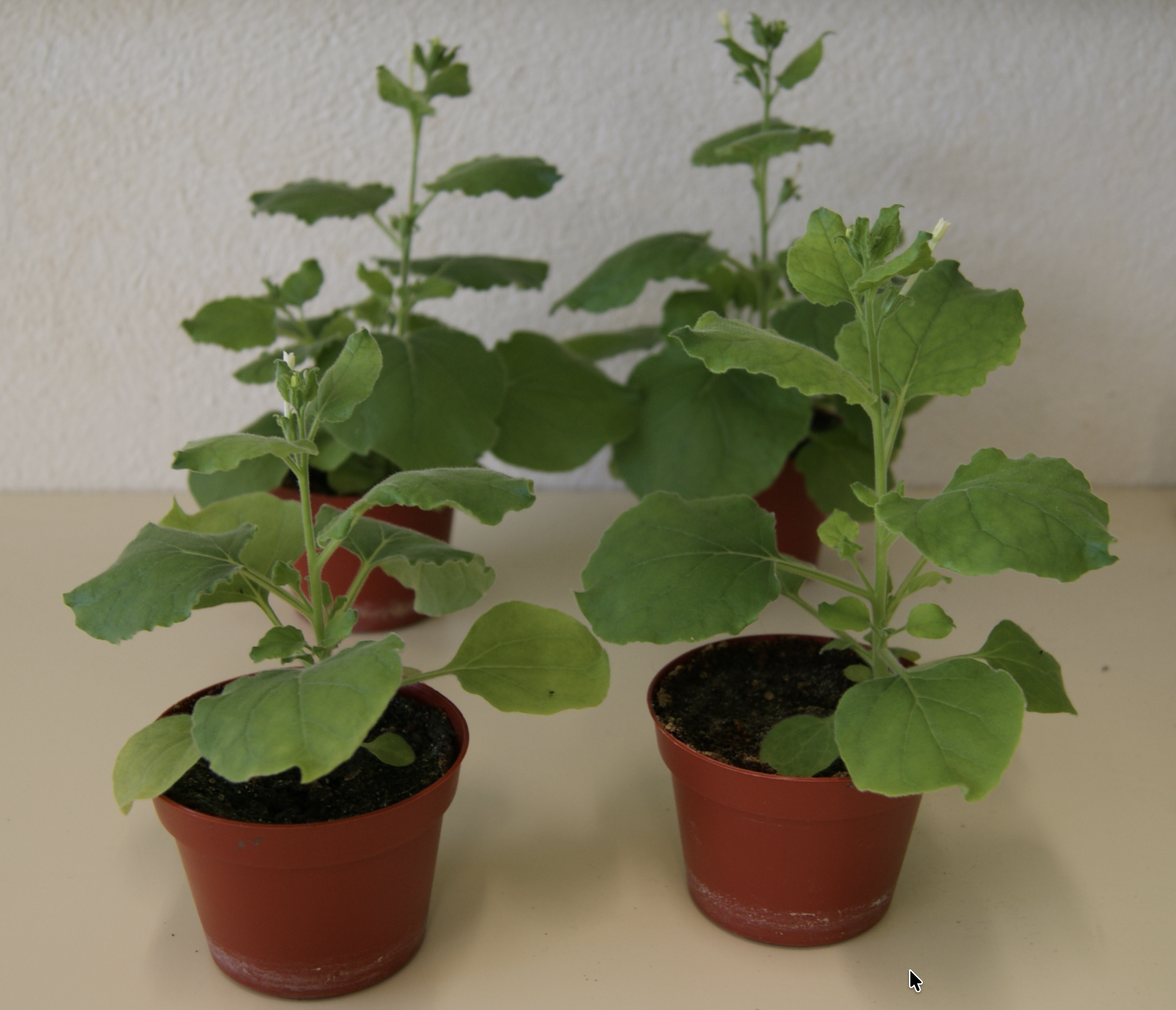
The team, led by plant biologist Asaph Aharoni and biochemist Paula Berman, chose Nicotiana benthamiana. It is a fast-growing relative of the tobacco in cigarettes.
The researchers slipped nine genes from three different kingdoms of life (plants, fungi and animals) directly into the tobacco plant’s leaves. They used a temporary delivery method called agroinfiltration, which ensures that the changes do not pass to seeds or future generations.
From jungle plants they added genes that convert the amino acid tryptophan, something tobacco already makes in abundance, into DMT. This powerful psychedelic is the active ingredient in ayahuasca brews and gets extracted from other plants to be smoked.
Mushroom genes from Psilocybe cubensis turned the same starting material into psilocybin and its active form, psilocin. Additionally, amphibian genes from the Sonoran Desert toad completed the mix, producing bufotenin and 5-MeO-DMT — the potent psychoactive compounds in toad venom.
The scientists say they were able to use AI to dramatically increase 5-MeO-DMT production in the leaves by adding a gene from a common lab plant called thale cress.
The modified leaves can now brew all five psychedelics simultaneously, according to the study. When the plant makes everything at once, the amounts drop because the chemicals compete for the same building blocks.
Still, the proof-of-concept works. The plants create these compounds without any outside drugs or fancy lab equipment — just sunlight, water and dirt. This innovative and novel method could change how scientists produce psychedelics for research and medicine.
Today, researchers rely on wild mushrooms, threatened plants, or expensive chemical synthesis. The engineered tobacco could offer a sustainable and ethical alternative that avoids harming ecosystems or endangered species.
Read more: Psychedelic retreat organiser charged with manslaughter over 2021 incident
Follow Rowan Dunne on LinkedIn
rowan@mugglehead.com