Small-scale Nature study shows psilocybin causes brain changes after one use
Compass Pathways provided the synthetic compound used in the research process
 Rowan Dunne
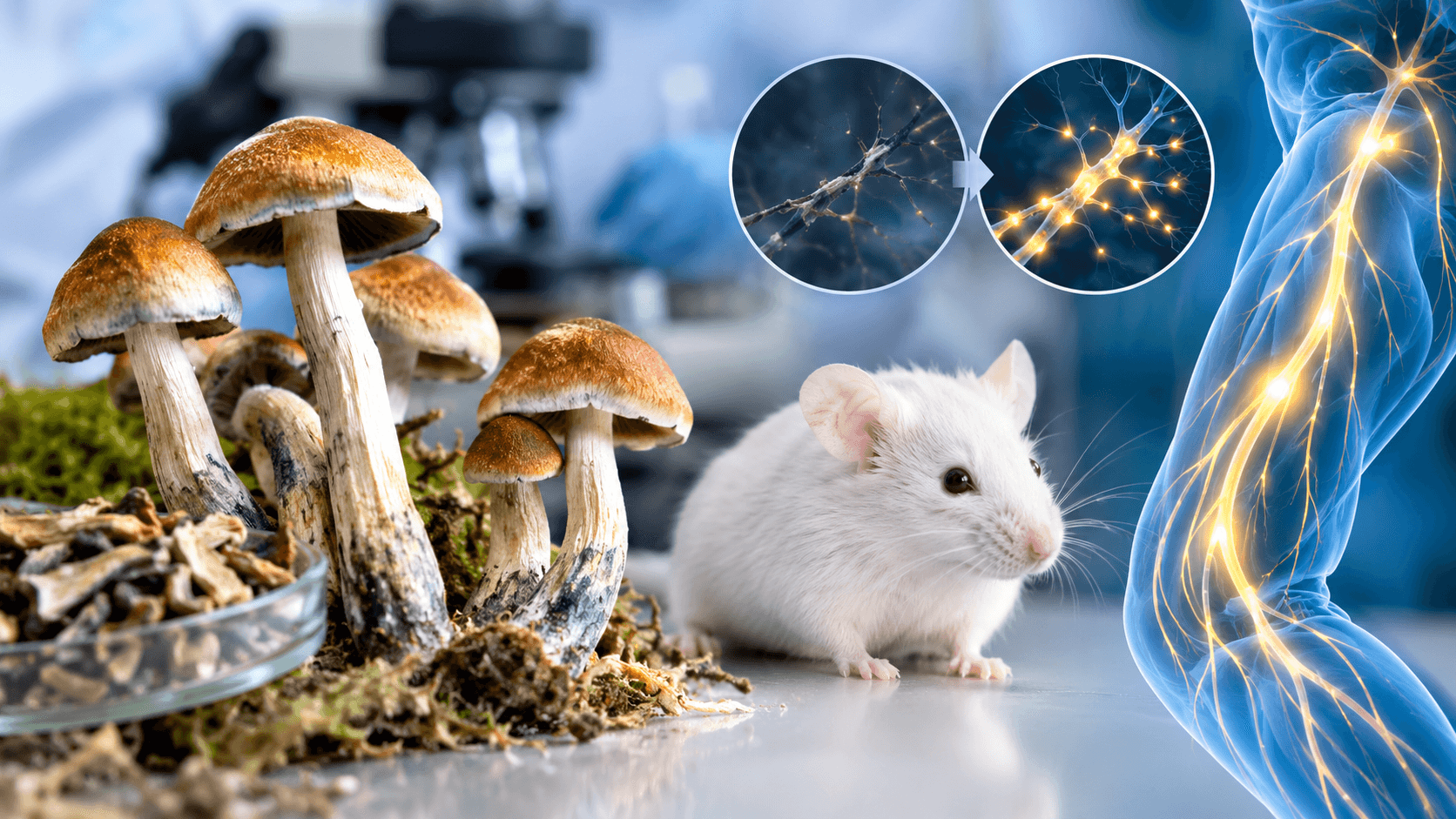
Healthy adults who had never used psychedelics showed clear changes in their brains after taking one strong dose of psilocybin.
In a study published in Nature Communications on May 5, advanced brain scans and recordings revealed that these changes lasted up to a full month. Participants say they have enhanced mental clarity, deeper personal insights and greater overall well-being as a result of the experience.
During the research process — completed at Imperial College London in collaboration with the University of California, San Francisco — 28 adults received a 25 milligram dose of the psychoactive compound.
One month after receiving this strong dose, special scans of brain wiring showed clearer signs of stronger and denser connections in key pathways linking the front of the brain to deeper structures. These improvements point to healthier, more robust brain activity — the opposite of what doctors see in normal aging or brain decline.
“Psilocybin seems to loosen up stereotyped patterns of brain activity and give people the ability to revise entrenched patterns of thought,” said study lead Taylor Lyons.
Moreover, participants showed looser, more flexible overall brain network organization, which matched their reported improvements in well-being. None of these changes appeared after the tiny 1 milligram dose the participants received as a control one month before the large one.
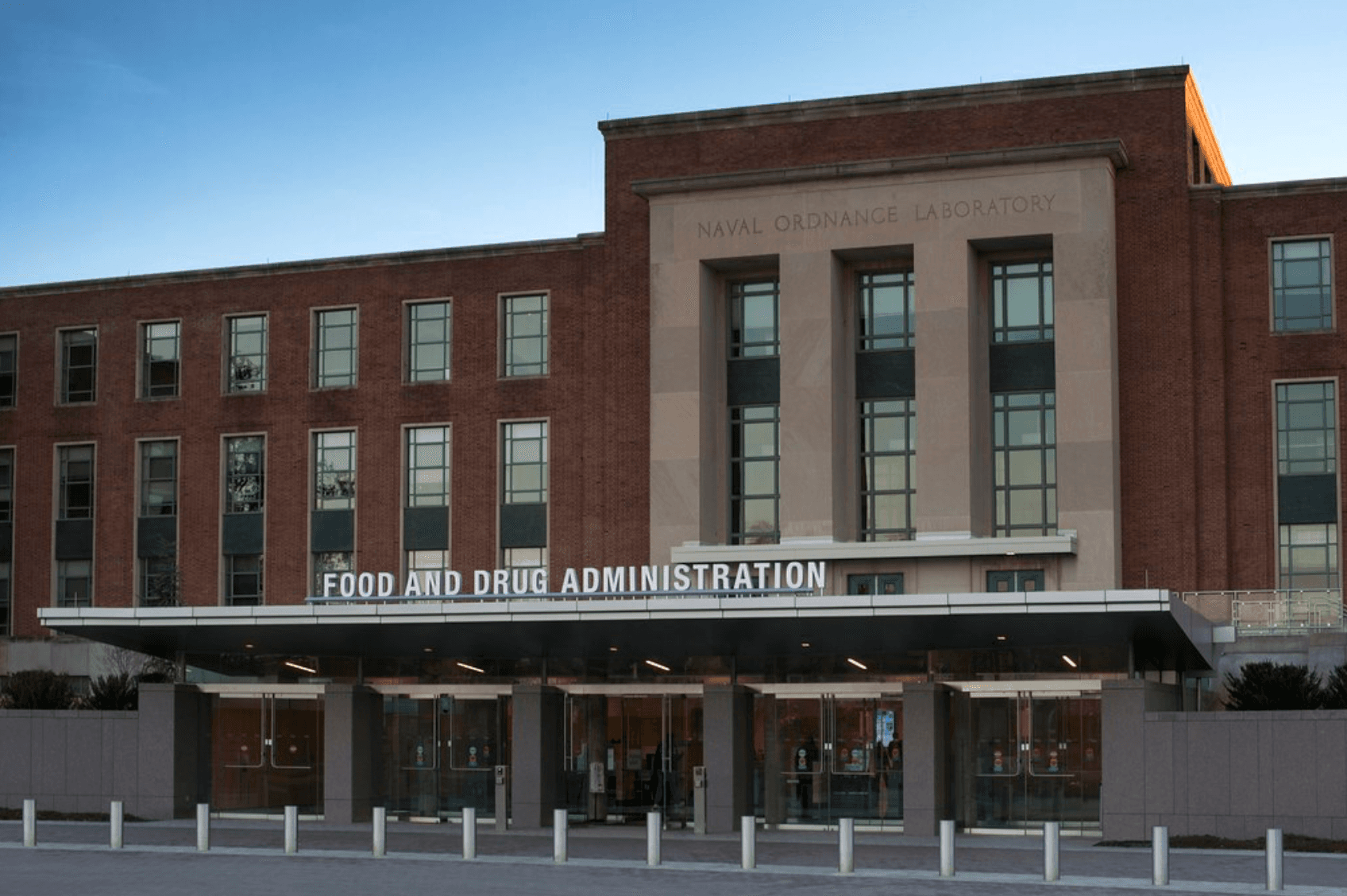
COMPASS Pathways PLC NASDAQCMPS FRA5Y6 provided the synthetic psilocybin (called COMP360) used in the trial. This company has been attracting attention after President Trump’s recent executive order that speeds up psychedelic research for mental health and veteran benefit. The FDA also granted Compass a special priority voucher that shortens review times for its treatment-resistant depression program. With strong Phase 3 results already in hand, the company could see approval as soon as late 2026 or 2027.
Read more: XTL Biopharma to enter psychedelics sector with Psyga Bio takeover
Skepticism lingers despite positivity
Despite the promising findings, some experts remain cautious. Robert Lufkin MD — a radiology professor at the University of Southern California, longevity academic and bestselling author on the subject of metabolic health — has pointed out weaknesses.
In social media posts on Wednesday, he noted that the small group of only 28 healthy people were not patients with depression. Additionally, he pointed out the fact that the brain wiring changes are indirect measures that have not yet proven to improve real-world symptoms in sick patients. He views the results as interesting clues about the impact these mushrooms can have rather than final proof.
This study has shown how psilocybin may help the brain break out of rigid patterns and build healthier connections, but both scientists and critics agree that more evidence and larger-scale trials are still needed.
Read more: Compass Pathways scores FDA priority voucher for synthetic psilocybin drug
Follow Rowan Dunne on LinkedIn
rowan@mugglehead.com