Ukraine expands robotic warfare after unmanned combat vehicle defends frontline position
The operator controlled the robot from roughly 10 kilometres away
 Joseph Morton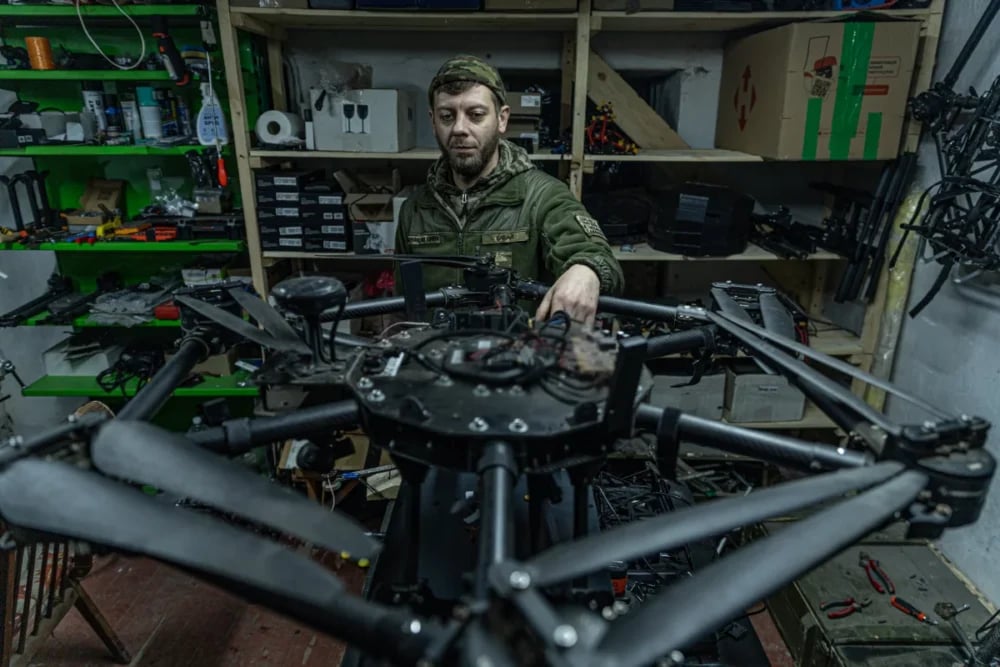
Ukraine is rapidly expanding the use of remote-controlled ground combat robots after one unmanned vehicle reportedly defended a frontline position for 45 consecutive days without any Ukrainian casualties.
A spokesperson for Ukraine’s 3rd Army Corps said the operation marked the country’s first fully robotic defensive mission at a combat position. Additionally, the official said the remotely operated Droid TW 12.7 machine gun platform held a critical intersection under repeated Russian assault during the summer campaign.
The operator controlled the robot from roughly 10 kilometres away. Meanwhile, aerial drones monitored the battlefield continuously and relayed targeting information in real time.
Once surveillance units confirmed enemy movement, the operator engaged approaching Russian troops with the robot’s mounted machine gun. Furthermore, the spokesperson said the system disrupted every attempted breakthrough and prevented enemy infiltration into the area.
Ukraine has increasingly relied on unmanned systems throughout the war. However, military analysts now believe the country is entering a new phase involving robotic ground warfare.
Defense analyst Olena Kryzhanivska, who first reported details of the operation, said ground robots now handle most frontline logistics tasks for Ukrainian forces. Additionally, she estimated unmanned ground vehicles currently perform roughly 80 per cent of logistics work near combat zones.
Those tasks include transporting explosives, delivering supplies and evacuating wounded soldiers from dangerous positions. Meanwhile, Ukraine’s Ministry of Defense reportedly wants robotic systems to eventually manage all frontline logistics duties.
Kryzhanivska also said military planners expect future clashes between Ukrainian and Russian ground drones. Consequently, both sides appear to be preparing for increasingly automated battlefield operations.
Read more: AI company Vida Global sees 81% spike after New York Stock Exchange debut
Read more: Hugging Face’s Reachy Mini robot just got its own app store
Crews install larger battery systems
Many unmanned ground vehicles cost between roughly USD$10,000 and USD$30,000 depending on equipment and weapon systems. Additionally, they can operate in areas too dangerous for human soldiers.
The Ukrainian military still faces major technical challenges with the systems. However, officials believe ongoing improvements could expand their battlefield role significantly.
Battery life remains one of the largest obstacles. Furthermore, Ukrainian operators frequently struggle with limited ammunition capacity during prolonged operations.
Military officials said crews often install larger battery systems or carry several replacement batteries during missions. Additionally, operators must carefully balance firepower, mobility and operating time when preparing combat robots for deployment.
Training also presents a substantial challenge for the Ukrainian army. Meanwhile, officials said ground robot operators require far more specialized instruction than conventional drone pilots.
One military representative explained that navigating terrain with unmanned ground vehicles involves constant obstacles and environmental hazards. Furthermore, operators must understand battlefield geography, navigation routes and line-of-sight limitations.
Officials compared the challenge to problems facing self-driving car technology. However, battlefield conditions remain far more unpredictable and dangerous than civilian roads.
The Ukrainian military also rejected assumptions that aerial drone pilots can easily transition into ground robot operations. Additionally, officials said successful missions require extensive planning and advanced technical skills.
Ukraine continues to limit how much autonomy its lethal robotic systems possess. Meanwhile, analysts said civilian safety concerns remain central to those restrictions.
Kryzhanivska said Ukrainian forces still operate in populated territories containing civilians, children and elderly residents. Consequently, the country opposes allowing armed robots to independently decide when to kill or engage targets.
Read more: South Korea’s first wholly AI-generated film hits theatres this month
Read more: AI movie trailers for ‘Titty Killer’ saga pull millions of views on X
Artificial intelligence developing for battlefield networks
Military officials also stressed that soldiers remain responsible for all battlefield decisions involving robotic systems. Furthermore, they described human oversight as essential because of the high stakes surrounding lethal operations.
Even so, researchers continue developing more advanced artificial intelligence systems for future battlefield networks. Additionally, new concepts involving predictive intelligence could eventually allow robots to anticipate enemy movements before attacks occur.
The emerging technology would combine drones, sensors and battlefield intelligence into connected decision-making systems. Meanwhile, robotic units could potentially reposition themselves automatically based on expected enemy activity.
Lt. Col. Eric Sturzinger, who works with the U.S. Army’s Artificial Intelligence Integration Center, has explored similar concepts through the Tactical Joint Embedding Predictive Architecture framework.
The system, also known as JEPA, aims to help drones and robotic platforms predict how adversaries might organize attacks. Furthermore, the technology could eventually improve coordination between autonomous battlefield systems operating across land and air environments.
.