Trump admin bans Chinese humanoid robot imports over security fears
New quadrupeds won't be allowed to enter the country either
 Rowan Dunne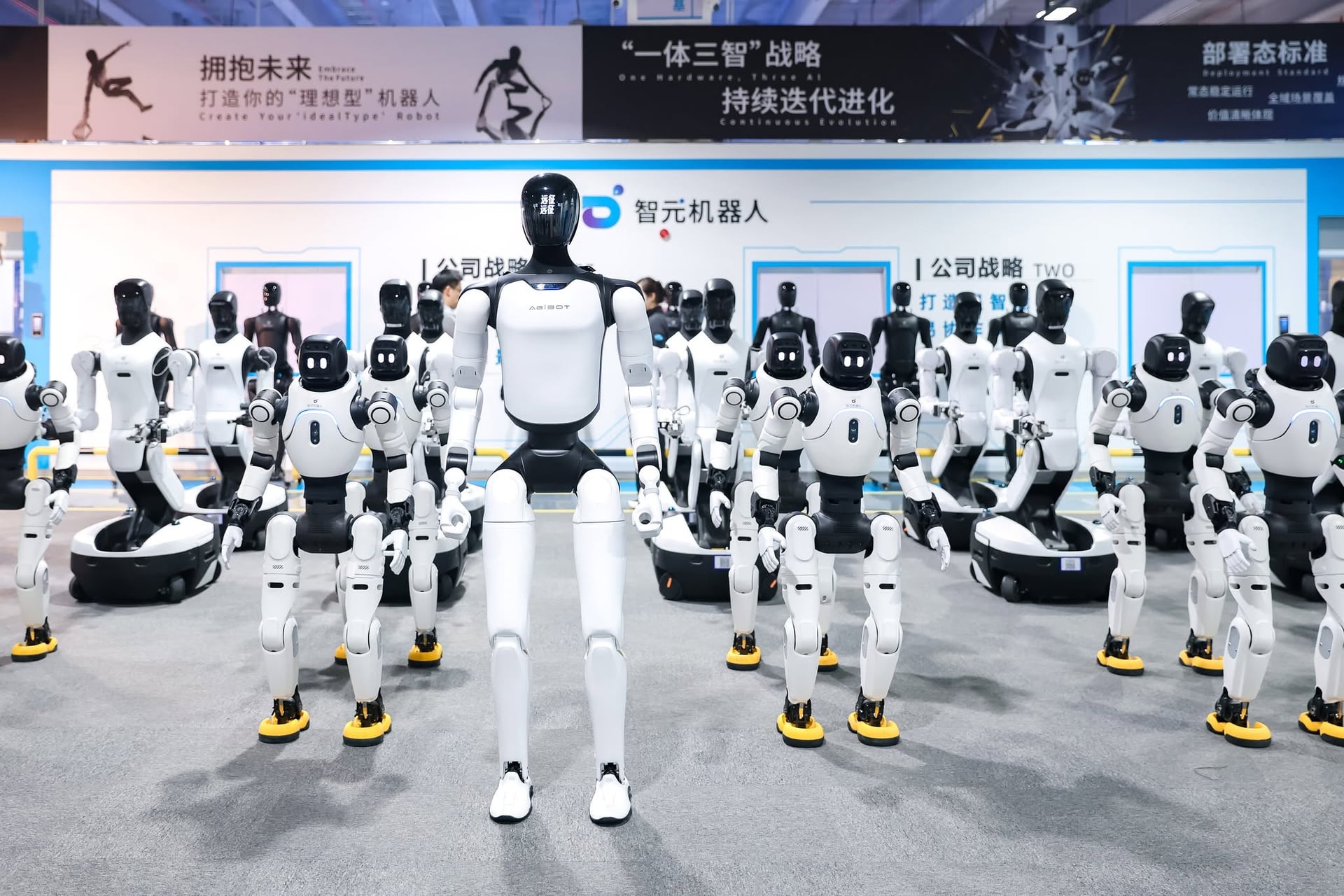
Tensions between Washington and Beijing now extend to two-legged and four-legged robots. The latest flashpoint in the US-China rivalry focuses on humanoid and quadruped machines equipped with advanced sensors and AI.
The Trump administration just banned imports of new Chinese-made humanoids and quadrupeds. The Federal Communications Commission announced the measure on Jul. 27, citing unacceptable national security risks. Officials warn that these devices collect sensitive data via high-fidelity sensors, including LiDAR and cameras. Such information could enable surveillance, aid foreign intelligence services, or allow remote commandeering of robots.
As highlighted by the FCC in its statement on the matter, U.S. researchers recently uncovered a security vulnerability in certain foreign-produced advanced robotic devices that allowed actors to remotely access thousands of units in homes worldwide. This granted them access to live camera feeds, microphone audio and detailed maps of consumer residences.
United States Representative John Moolenaar, Republican chair of the House Select Committee on China, supported the action. He stated that it protects the country and bolsters America’s robotics industry. Domestic manufacturers like Boston Dynamics, Agility Robotics and national security advocates lobbied for the policy too. Reasoning centres on supply chain vulnerabilities and cybersecurity threats, such as data exfiltration or infrastructure disruption. The administration presents the ban as essential to reindustrialise the nation and safeguard critical tech for its AI ambitions.
China’s embassy in Washington strongly criticised the ban due to the economic significance of its robotics industry. It urged the United States to heed the concerns of business communities on both sides of the Pacific and stop what it described as the unnecessary smearing of Chinese companies. Beijing vaguely warned that it would take all necessary measures in response to any actions that cause material harm to its interests.
China has made robotics a cornerstone of its national strategy. Its 15th Five-Year Plan (2026 to 2030) positions AI-powered robots as a driver of economic growth and industrial modernisation. The country already installs more than half of the world’s industrial robots annually and leads in humanoid shipments.
This ban may raise costs and slow robotics adoption for American users, allowing Chinese firms to pull further ahead in real-world data and market share. U.S. companies could gain time to expand domestically, yet the broader risk is reduced access to affordable, advanced robotics during a period of fast global growth.
The news comes as Chinese leaders in the sector prepare for domestic listings. Unitree, known for humanoids and quadrupeds, is advancing toward a STAR Market IPO with considerable revenue growth and high shipment volumes. Companies such as Pudu (service robots) and Coowa are also pursuing public offerings or expansions amid heavy investment in embodied AI.

JUST IN: 🇺🇸🇨🇳 Trump declares war on Chinese robots The Trump administration is reportedly preparing to ban new Chinese humanoid and quadruped robots from entering the United States in what could become one of Washington's most aggressive technology restrictions yet. ⚠️ First Show more
Read more: Stanford and KAIST researchers use robotics to dress people in 10 seconds
Follow Rowan Dunne on LinkedIn
rowan@mugglehead.com