Stanford and KAIST researchers use robotics to dress people in 10 seconds
Both schools have strong backgrounds in tech and automation
 Rowan Dunne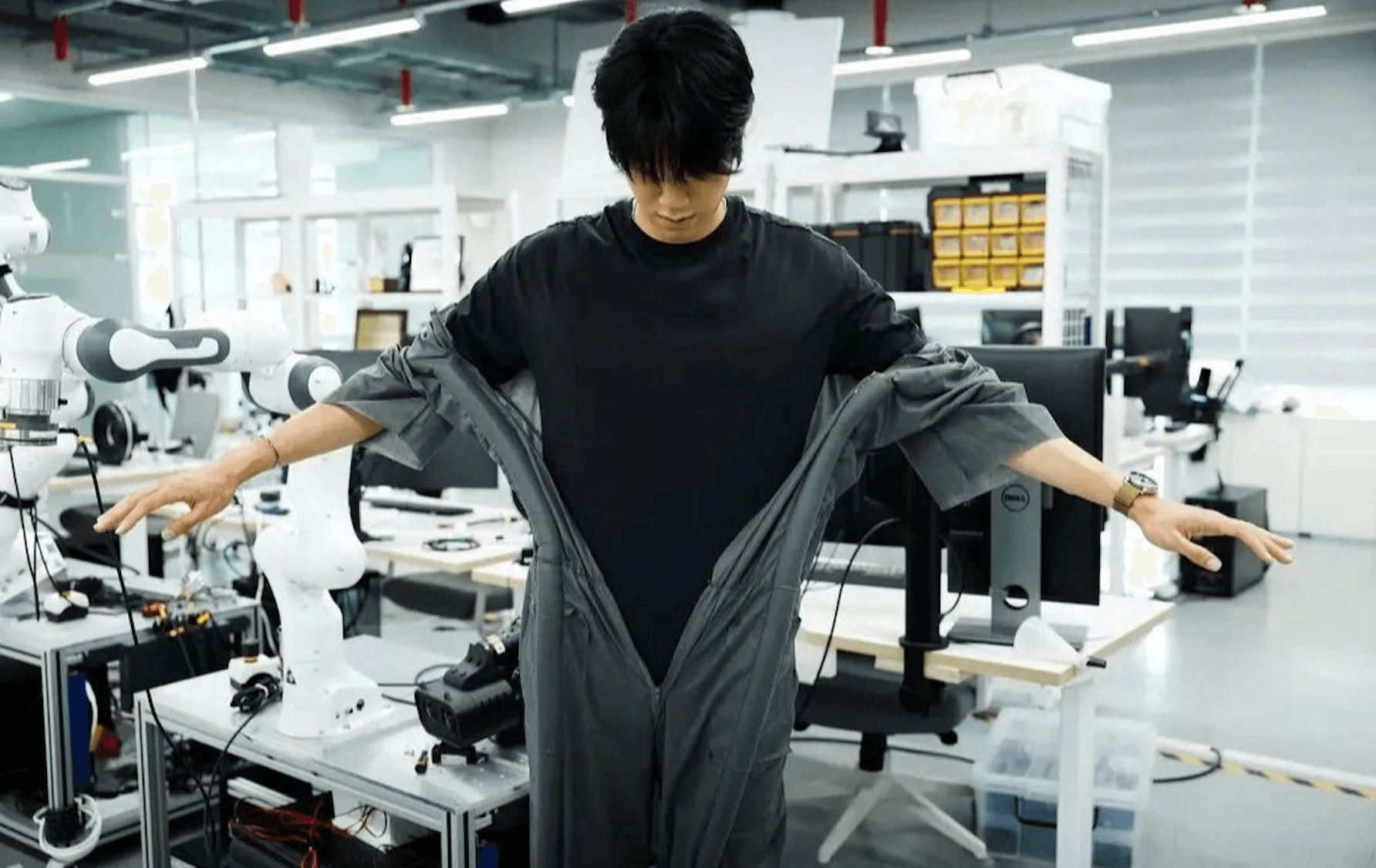
Robotics is reshaping how people handle routine physical tasks, from aiding those with limited mobility to streamlining work in demanding environments.
A joint team from Stanford University and the Korea Advanced Institute of Science & Technology (KAIST) recently developed a robotic suit that dresses the wearer on its own. Soft, air-powered “vines” woven into the fabric activate and grow along the body like climbing ivy. The garment turns itself inside out as it advances, adapting smoothly even if the person moves or stays seated.
Researchers say the full process takes roughly 10 seconds, handling the work through materials and air pressure alone. The idea first struck KAIST researcher Nam Gyun Kim while cycling in the rain and imagining a coat that could slip on automatically.
The technology is promising for people with disabilities or older adults who struggle with daily dressing. It could restore independence and reduce the need for caregivers in a very personal routine.
At the same time, developers see wider potential. Workers in semiconductor cleanrooms could don protective suits quickly with minimal hand contact to cut contamination risks. Emergency responders and advanced manufacturing staff might suit up faster for safety gear. Healthcare settings could also explore uses for patient gowns or staff coverings.
Both universities contribute strong robotics expertise. Stanford researchers, including those in Professor Allison Okamura’s group, have long worked on assistive technologies for daily living. These include home robots that help with chores, feeding and dressing to support ageing populations.
South Korea’s KAIST excels in practical innovations. In June, Professor Myung Hyun’s team from the school took first place in major challenges at the International Conference on Robotics and Automation in Austria, highlighting the university’s strength.
This early prototype highlights the potential of soft robotics. It demonstrates how smart mechanical design can work alongside software advances to create clothing that actively assists the wearer. Much testing, custom fitting and engineering refinement still lie ahead before the tech reaches everyday use though.

🇰🇷Korea’s Advanced Institute of Science and Technology (KAIST) together with Stanford University developed robotic clothes. The "liana" system is a soft robotic garment that automatically dresses a person in about 10 seconds. The clothing is woven with soft, air-powered "vine" Show more
Read more: Gritt raises US$32M for constructing solar farms with intelligent robots
Follow Rowan Dunne on LinkedIn
rowan@mugglehead.com