Tilray Brands targets US$20M savings after brewery consolidation
The brewer has cut its U.S. footprint to six facilities, while keeping fiscal 2027 adjusted earnings guidance unchanged.
 Adrian Kessler
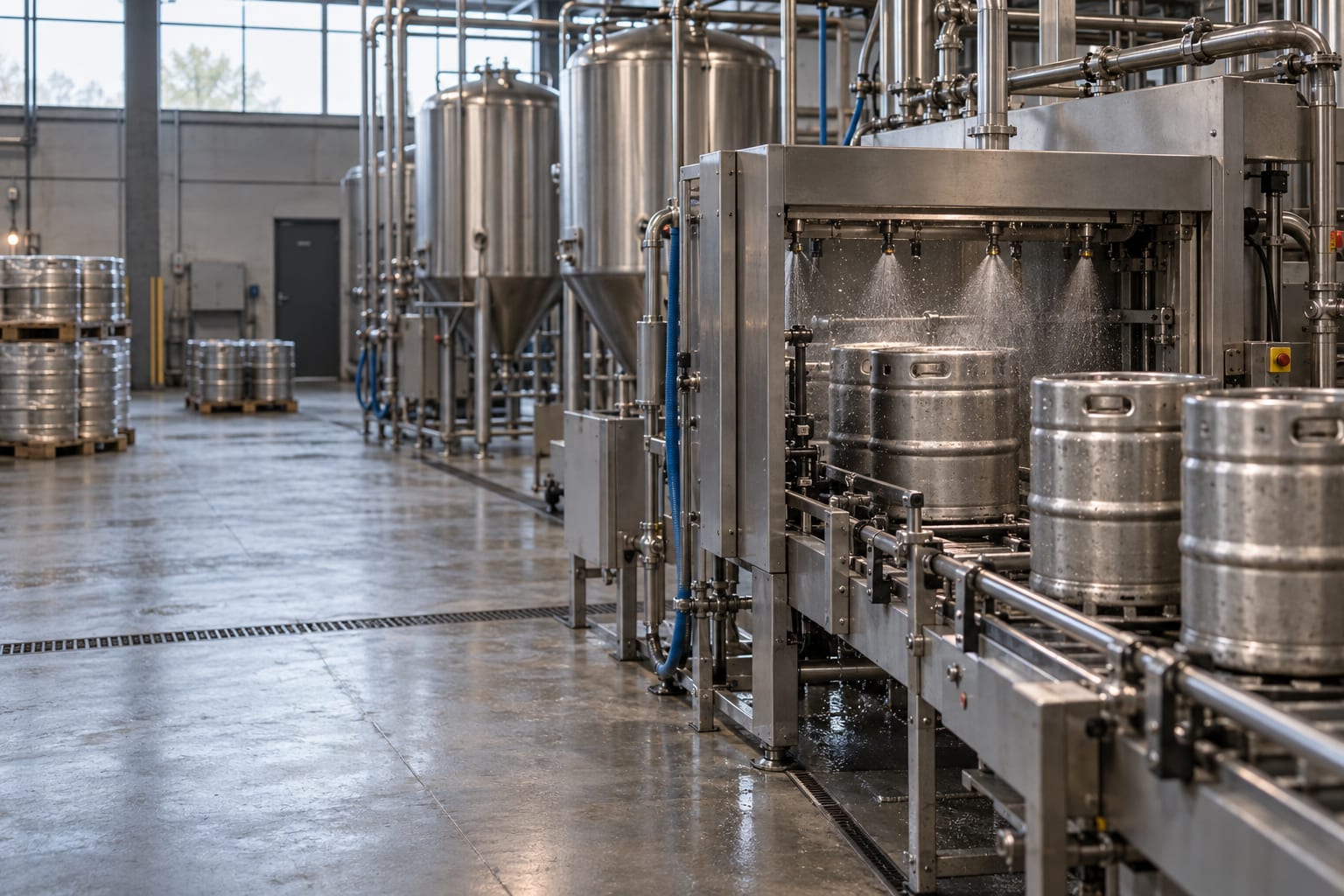
Annual savings of about US$20 million are the next target after Tilray Brands, Inc. TSETLRY NASDAQTLRY said on Thursday it had reduced its U.S. brewing footprint to six facilities from 10. Most incremental benefits are expected by the end of fiscal 2028.
The Oct. 29 operating update leaves fiscal 2027 adjusted EBITDA guidance at US$68 million to US$75 million. That forecast already incorporates anticipated benefits from cost reductions underway, so Thursday's savings target does not represent an increase to current-year guidance.
Tilray is a multinational cannabis and beverage producer with an extensive brewing and distribution network across North America and Europe.
Shares had closed at US$2.69, down 2.89 per cent on Nasdaq, at 4 p.m. EDT on Oct. 28, according to the NASDAQTLRY quote. That close preceded Thursday's announcement.
Fewer Breweries And Products
The completed consolidation includes closing Hop Valley's Eugene brewery, Redhook Brewlab and Revolver brewery, alongside selling the Atwater brand. During its fiscal second quarter, Tilray also transferred Terrapin brewing production from Athens to other facilities, while retaining the Athens taproom, warehousing and repackaging operations.
The next phase extends beyond brewing into manufacturing, warehousing, procurement and logistics. Tilray plans to sell or otherwise monetize redundant brewing and warehouse facilities as it concentrates production at the remaining sites.
Since January 2025, the company has cut its U.S. distributor network by approximately nine per cent and reduced its stock-keeping units by about 28 per cent. It says the product cuts removed duplicative, lower-margin and slower-moving offerings, with investment concentrated on priority regional brands and selected national products.
"Our next priority is to continue to reduce operational complexity through the consolidation of our distributor network, delivering improved margins and profit generation from our U.S. beverage operations," Tilray chief executive Irwin D. Simon said in the release.
Distributor consolidation is expected to be substantially completed by the end of fiscal 2028. The annualized savings target describes the expected ongoing cost reduction once initiatives take effect, rather than a sum promised for the current fiscal year.
The distinction between savings and restructuring expenses also affects the earnings measure. In its Oct. 8 quarterly release, Tilray said its adjusted EBITDA guidance excludes integration and restructuring costs, among other items.
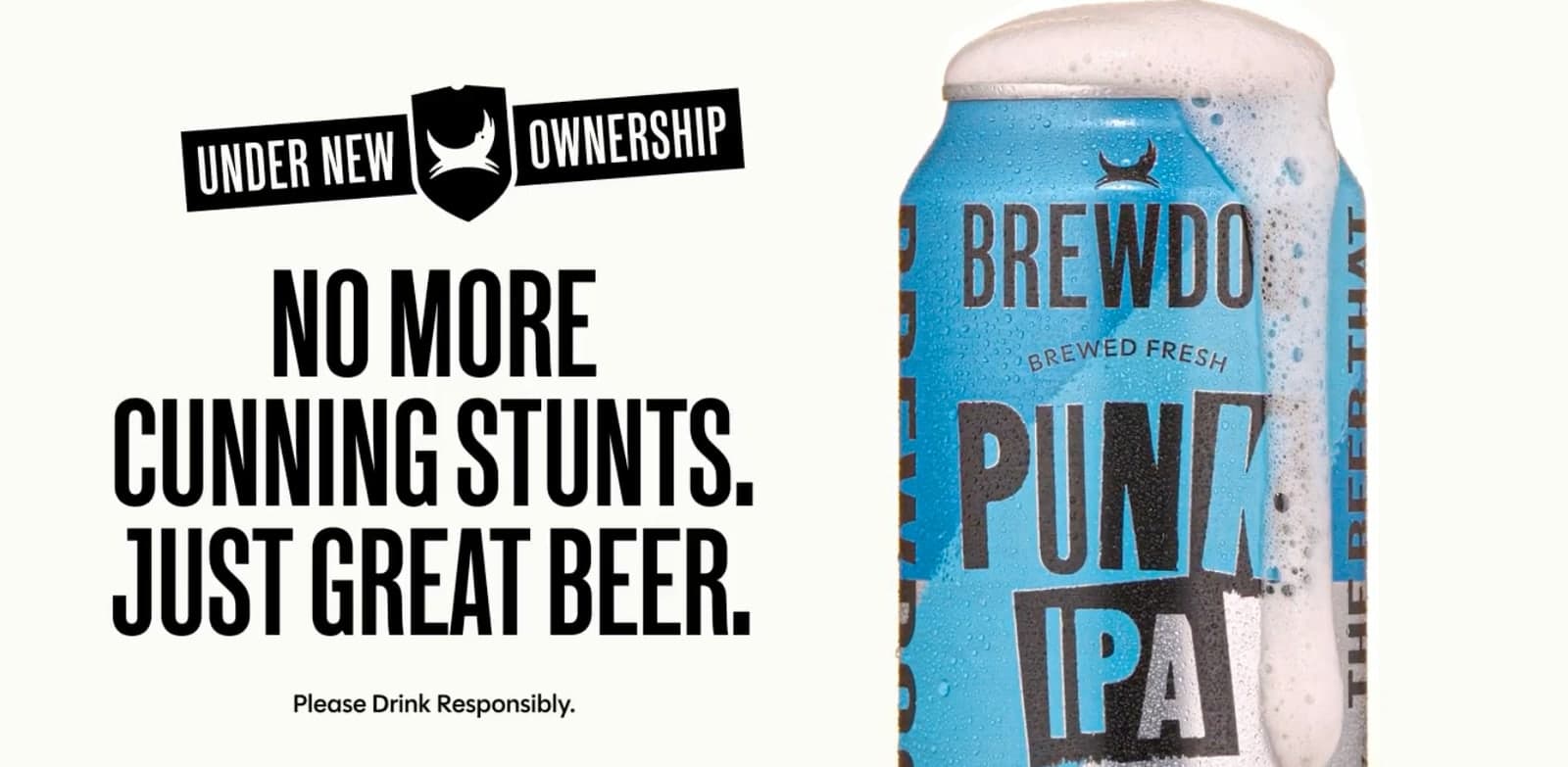
For the quarter ended Aug. 31, beverage revenue reached US$101.5 million, compared with US$55.7 million a year earlier. Tilray attributed the increase to its BrewDog acquisition, while beverage gross margin expanded to 41 per cent from 38 per cent.
Read more: Tilray Brands revenue rises 23 per cent to US$257.1M as cannabis sales fall
New Volume Faces A Contracting Beer Market
The broader market offers little automatic help filling those breweries. In its July 22 midyear report, the Brewers Association estimated U.S. craft production fell four per cent during the first half of 2026 compared with the corresponding period a year earlier.
Among cannabis companies with alcohol exposure, SNDL Inc. CNSXSNDL NASDAQSNDL reported a different combination of sales and profitability. Its Oct. 27 results showed liquor-retail revenue declined 3.3 per cent year over year in the quarter ended Sept. 30, while the segment achieved a record quarterly gross margin.
Read more: SNDL reports C$20M free cash flow as impairment widens quarterly loss
Tilray's next volume opportunity is its U.S. licence to produce and sell Carlsberg-branded beers, announced Feb. 18. Thursday's update targets approximately one million cases in first-year sales through existing production and distribution infrastructure, without a proportionate increase in fixed operating costs.
The licence starts Jan. 1, 2027, opening the sales period that will test whether additional brewing volume can turn the smaller operating footprint into stronger margins.