Sequans Communications reports 183% revenue growth to US$9.1M
The September-quarter operating loss included a US$6.2M bitcoin-sale gain, while cash and short-term deposits reached US$39.7M.
 Julian Okafor
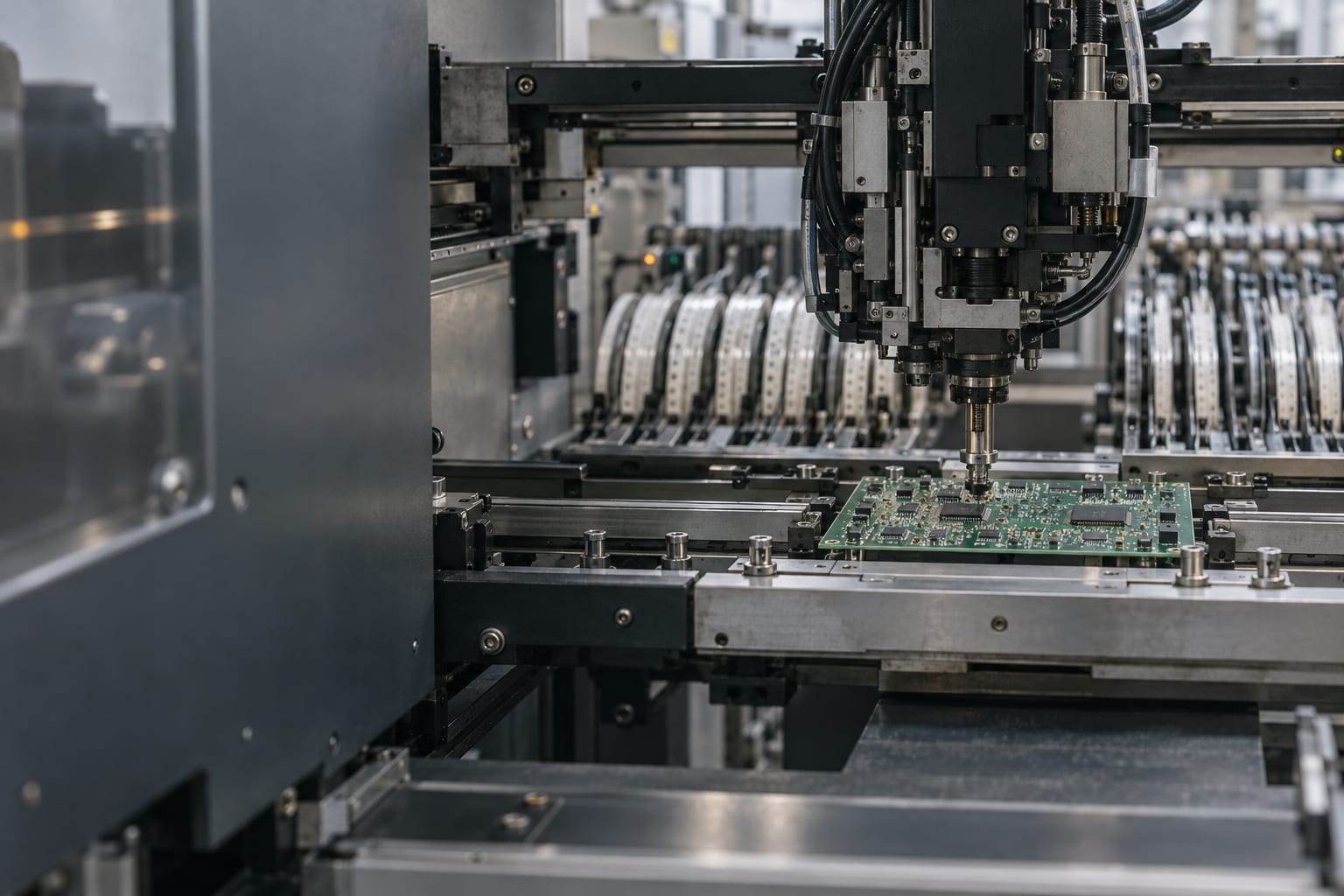
A 182.8 per cent jump in quarterly revenue came with a narrower loss that still benefited from selling bitcoin. Revenue reached US$9.1 million at Sequans Communications S.A. NYSESQNS, the French designer of cellular connectivity semiconductors, according to its Nov. 3 preliminary results, compared with US$3.2 million a year earlier.
The operating loss narrowed to US$1 million in the quarter ended Sept. 30, but included a US$6.2 million realized net gain on bitcoin sales. Removing that gain alone leaves an operating loss of US$7.2 million, a calculation that separates the asset disposal from the reported result without making other adjustments.
Cash, cash equivalents and short-term deposits reached US$39.7 million at Sept. 30, and Sequans held no bitcoin. Management said its semiconductor backlog now extends into the second half of 2027, making product deliveries and licensing the focus after the treasury exit.
Sequans' New York-listed depositary shares closed at US$2.48 at 4 p.m. EST on Nov. 2, down 0.8 per cent, according to NYSESQNS. That close preceded the earnings release, so it does not measure a market response to the results.
Product Sales Grow As Margins Hold Steady
Product sales accounted for the vast majority of September-quarter revenue and increased 20.5 per cent from the second quarter, Sequans said. They were more than four times the year-earlier level, while total revenue grew 21.9 per cent sequentially.
Gross margin reached 33 per cent in the quarter ended Sept. 30, barely above the second quarter's 32.9 per cent. The year-earlier margin was 25.3 per cent, and gross profit increased to US$3 million from US$0.8 million.
The year-over-year revenue increase therefore arrived with a wider gross margin, while the sequential improvement came mainly through higher sales. Gross profit of US$3 million for the quarter ended Sept. 30 compares with US$2.5 million in the June quarter, leaving the business with a larger contribution toward operating costs.
"Importantly, this growth reflects the successful conversion of our design-win pipeline into production revenue, supported by expanding customer demand and a growing backlog that now extends into the second half of 2027," Sequans chief executive Georges Karam said in the release.
The pipeline was already central to Sequans' Aug. 4 account of its second-quarter results. At that point, management said more than 40 design-win projects were in mass production, representing 55 per cent of its US$300 million three-year product revenue pipeline.
Those August figures describe management's pipeline, rather than revenue already booked. The November release attributes the third quarter's sales growth to projects reaching production, while Karam also identified licensing opportunities and the next-generation 5G eRedCap platform as parts of the outlook entering 2027.
Bitcoin Exit Leaves Cash And A Smaller Debt Burden
The comparison with earlier losses requires more than removing the September-quarter bitcoin gain. The US$7.2 million operating loss for the quarter ended June 30 included a US$3 million bitcoin impairment charge. It also included a US$5.3 million realized net gain on sales.
The operating loss for the quarter ended Sept. 30, 2025 was US$24.4 million. It included a bitcoin impairment charge of US$11.2 million. Sequans attributed part of the latest sequential loss reduction to lower operating expenses, but the reported comparisons include different combinations of cryptocurrency gains and charges.
Net loss was US$1.5 million in the quarter ended Sept. 30, compared with US$9.8 million in the June quarter. Interest expense fell to US$0.4 million from second-quarter net interest expense of US$2.4 million, which Sequans said was primarily non-cash and related to convertible-debt accounting.
The cash increase also followed an asset sale. Sequans held 314 bitcoin valued at US$18.4 million on June 30 and sold all of them during the third quarter, so the higher September cash balance cannot be treated as evidence of semiconductor cash generation.
Sequans had announced completion of the treasury exit on Sept. 24. That release said convertible debt had been redeemed in May and that remaining debt was tied to government-financed research and development projects.
The direction contrasts with Strive, Inc. NASDAQASST NASDAQSATA NASDAQSATS, the Dallas-based bitcoin treasury company. Its Nov. 2 filing disclosed purchases of 124 bitcoin. Holdings stood at 43,124 on Oct. 30.
Mugglehead's coverage of those bitcoin purchases and preferred-share obligations followed the financing demands of treasury expansion. Sequans' September-quarter accounts instead show the earnings effects of completing an exit.
Read more: Strive adds 124 bitcoin as preferred dividend obligations grow
The next scheduled test of Sequans' outlook is its Nov. 3 results call at 8 a.m. EST, listed on its investor-relations page. Management can then address how the backlog extending into 2027 translates into shipments, licensing revenue and progress toward profitability.