Resmed tackles restless legs syndrome with Noctrix Health takeover
Respiratory disorders are no longer the sleep tech company's only focus
 Rowan Dunne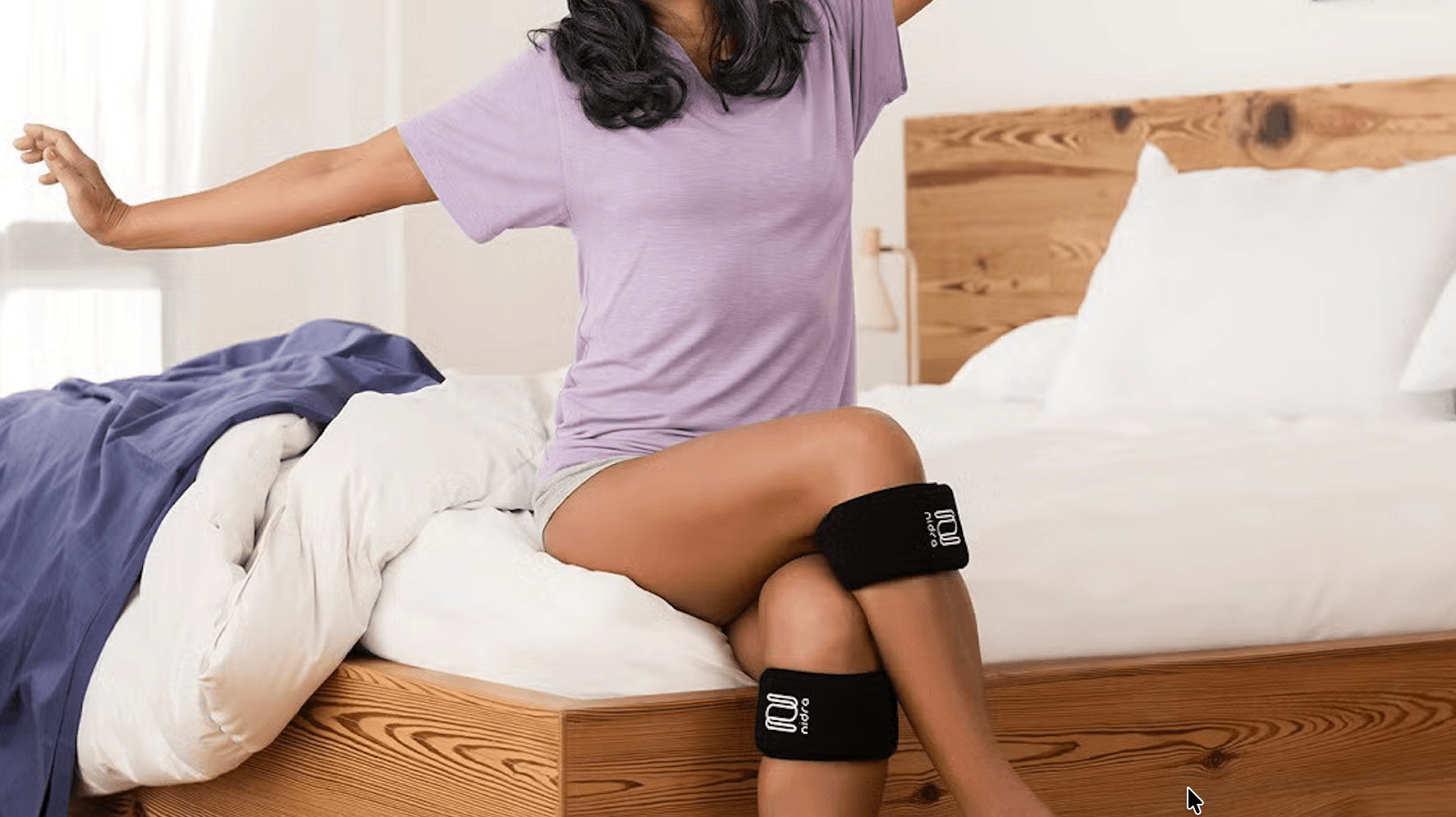
Resmed Inc NYSERMD FRARME has broadened its sleep tech horizons by engaging with restless legs syndrome (RLS) treatment.
On Jun. 1, the company completed its US$340 million acquisition of Noctrix Health, adding a useful device to its portfolio of sleep and respiratory solutions. The deal gives Resmed control of Nidra, Noctrix’s wearable Tonic Motor Activation (TOMAC) therapy. This FDA De Novo-authorized system targets adults with moderate-to-severe RLS who do not respond well to medications.
Noctrix brings roughly US$24 million in annual revenue run rate along with higher growth and margins than Resmed’s core business.
Nidra works by delivering electrical stimulation to the peroneal nerves via comfortable bands worn on the lower legs while resting. It evokes sustained, low-level muscle activation that mimics the relief patients feel from voluntary movement like walking, but without disrupting sleep.
Patients use it as needed, typically for up to two hours per day. Clinical data has shown meaningful symptom reduction and improved sleep quality among users.
“Resmed has the global reach, sleep expertise and patient-centred mission to help scale what we built and bring this therapy to many more people who need it,” commented Noctrix chief executive Shri Raghunathan.
Restless legs syndrome affects an estimated 7 to 10 per cent of adults, making it the third most common sleep disorder after insomnia and obstructive sleep apnea — another condition Resmed focuses on. Patients experience an irresistible urge to move their legs, often accompanied by uncomfortable sensations described as crawling, creeping, pulling, throbbing or itching.
Symptoms worsen during rest or in the evening, frequently disrupting sleep and leading to daytime fatigue, reduced quality of life and mood issues. Risk factors include iron deficiency, kidney disease, pregnancy, genetics and certain medications.
With this acquisition, Resmed now competes in a space dominated by pharmaceutical players. Notably, UCB SA (EBR: UCB) offers Neupro (rotigotine) — a dopamine agonist transdermal patch that delivers steady medication to ease symptoms.
Pfizer Inc NYSEPFE ETRPFE also markets pregabalin (Lyrica), a nerve-calming medication that reduces overactive nerve signals without the same long-term worsening risks seen with dopamine drugs.
This acquisition gives Resmed a device-based foothold in the RLS market where pharmaceutical options have long prevailed. It expands the company’s presence in sleep-related disorders beyond its traditional focus on sleep apnea and respiratory care.
Read more: Sleep apnea specialist Resmed announces plans for major new distribution centre
Follow Rowan Dunne on LinkedIn
rowan@mugglehead.com