Researchers find efficacious natural bug spray alternative
If you can avoid spraying yourself with a toxic chemical, you probably should
 Rowan Dunne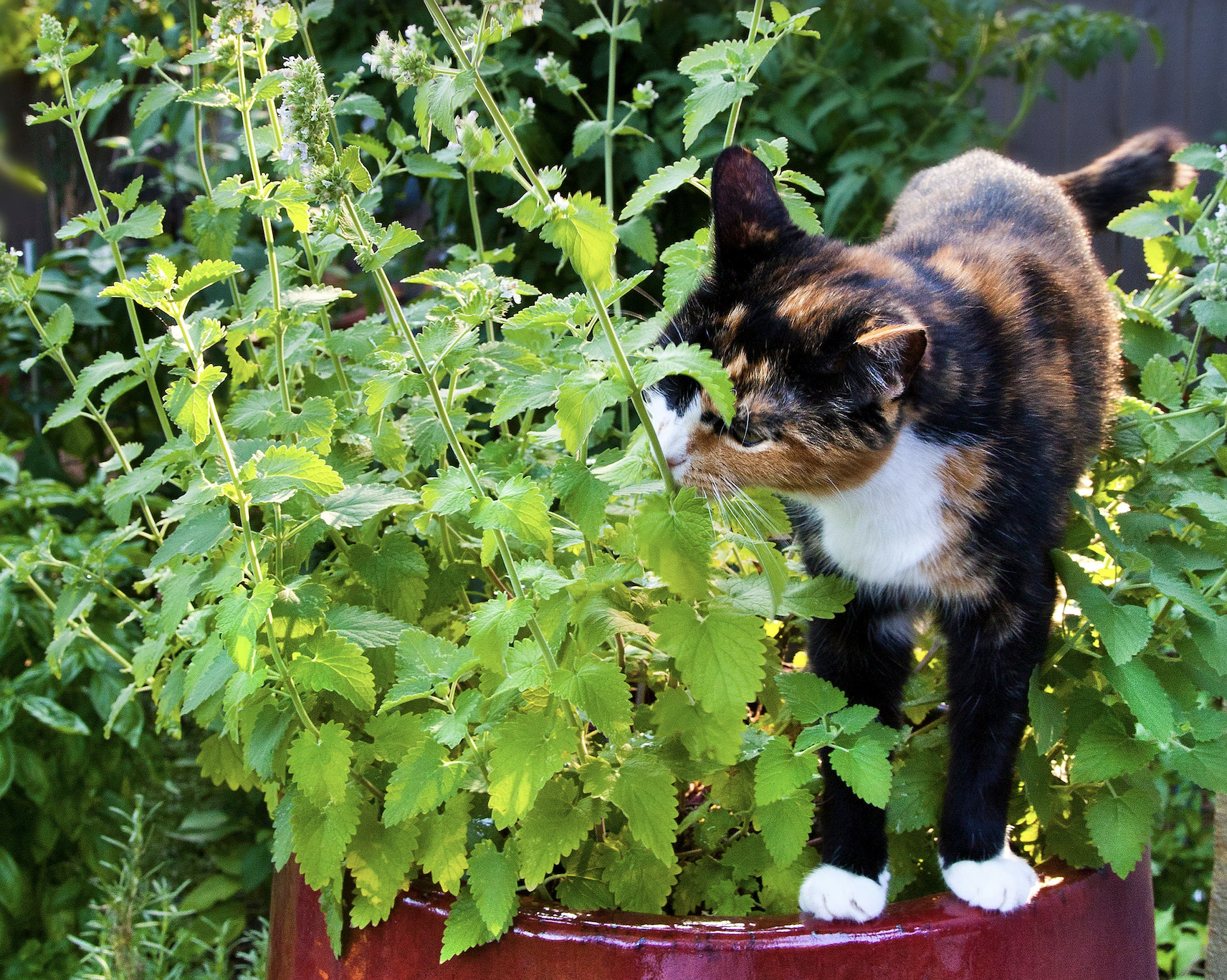
Limiting mosquito bites as much as possible when you’re out enjoying nature should not have to come at the expense of your health.
Thankfully, researchers have now found a natural alternative that delivers matching protection without those compromises. A team led by Dr. Simon Scofield of Cardiff University, in collaboration with Makerere University and local partners in Uganda, has shown that a simple lotion made from catnip oil repels mosquitoes as effectively as DEET.
In field trials in eastern Uganda, volunteers applied either a 6 per cent catnip oil lotion or a standard 15 per cent DEET product to their legs. Researchers then counted mosquito landings during evening hours. The 6 per cent catnip formulation performed equally well, while the 2 per cent version proved only slightly less effective.
Lab tests had already confirmed the oil’s strong repellent action before the real-world validation. This breakthrough builds directly on earlier work that identified nepetalactone, the active compound in catnip (Nepeta cataria), as a potent insect repellent. Scientists have long known about its properties, but no one had previously developed it into an affordable lotion for community use.
“Nepetalactone acts as a natural insect repellent and is highly effective at repelling mosquitoes,” the researchers wrote in their study, “which are responsible for the transmission of malaria and other vector-borne diseases in Sub-Saharan Africa.”
The new project succeeds because catnip grows readily in Uganda, its oil extracts easily, and the finished product costs far less than imported DEET while employing local people at every stage of production.
Read more: Breath Diagnostics advances pre-op pneumonia screening with FDA breakthrough designation
Health concerns with synthetic repellents are significant
Although regulators such as the United States Environmental Protection Agency state that DEET poses no significant risks when used correctly, research still flags several drawbacks.
The chemical can trigger skin irritation, rashes or eye discomfort in sensitive users. Rare but documented cases link excessive application or accidental ingestion to more serious neurological effects, including seizures, particularly in children. Toxicological reviews note that these severe outcomes usually stem from misuse or very high exposure rather than normal topical use, yet the possibility remains a concern for parents and frequent users.
Emerging research, including a 2024 worm-model study from Harvard Medical School, has also raised concerns that DEET exposure might disrupt egg cell formation and reproductive processes, with potential implications for fertility. However, human evidence remains limited and requires further investigation.
Pregnant women and young children often seek gentler options because even low-probability risks feel unacceptable when safer alternatives exist. These findings underline the need for effective natural substitutes that avoid introducing any synthetic chemicals to the skin.
Catnip’s promise for high-risk regions
Wider use of catnip lotion could cut reliance on DEET in places where mosquito-borne diseases remain a daily threat.
In parts of Africa, where malaria still infects millions each year, affordable local repellents would reduce both disease transmission and chemical exposure. Malaysia’s ongoing dengue challenge offers another clear example of where the product could be beneficial.
Several other plants have proved useful against mosquitoes too. Citronella and lemongrass release strong citrus-like scents that mask human odours, yet their protection typically lasts shorter periods than catnip lotion and requires more frequent reapplication. Lavender, peppermint and basil also deter insects through pungent aromas when planted nearby or used as crushed leaves or oils. These work well for light protection around homes but generally fall short of catnip’s potency in direct comparisons.
Marigolds contain pyrethrum, a natural insecticide, and rosemary releases aromatic smoke when burned, offering useful garden-level defence. But again, the efficacy of these remains lower than this nepetalactone-infused lotion that has now been proven to match DEET performance.
Catnip therefore stands out as a particularly strong natural contender that combines high effectiveness with minimal health concerns.

One plant found a shortcut that took scientists decades to reverse-engineer. Catnip does not confuse a mosquito. It does not hide a person behind a chemical curtain. It walks straight into the mosquito's nervous system and pulls a fire alarm. The active compound in catnip — a Show more

Read more: Prestigious medtech intelligence firm recognizes Breath Diagnostics for innovation
Follow Rowan Dunne on LinkedIn
rowan@mugglehead.com