Hertha Metals produces first U.S. 3N5 high-purity iron for rare-earth magnets
High-purity iron accounts for roughly 70 per cent of the weight of neodymium magnets
 Joseph Morton
Hertha Metals has produced 99.95 per cent pure iron using entirely domestic U.S. inputs, targeting a critical gap in rare-earth magnet supply chains.
The Texas startup said on Wednesday that it became the first U.S. company to produce 3N5 high-purity iron domestically. Additionally, the material meets purity requirements used by leading rare-earth magnet manufacturers.
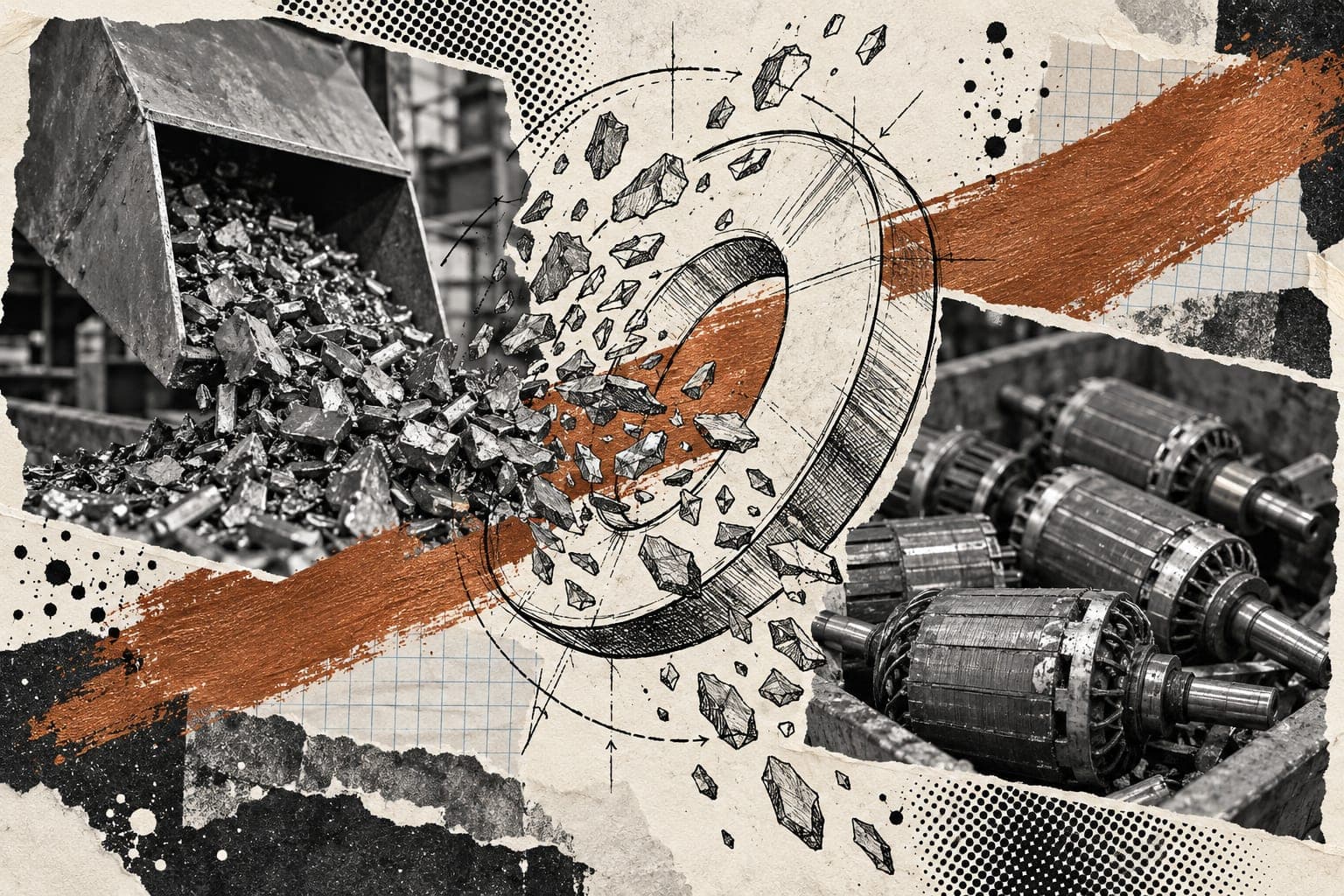
High-purity iron accounts for roughly 70 per cent of the weight of neodymium magnets. Manufacturers use those permanent magnets in electric vehicles, wind turbines and defense systems.
The achievement comes as U.S. defense contractors prepare for tighter sourcing restrictions. Beginning Jan. 1, 2027, Department of Defense rules will prohibit Chinese-origin magnets and constituent materials from defense platforms.
Consequently, manufacturers are working to qualify alternative suppliers before the restrictions take effect.
Founder and CEO Laureen Meroueh said the material receives little attention despite its importance to magnets. She said domestic production could provide a new route for building an American supply chain.
The U.S. currently imports 25 per cent of its finished steel and more than 90 per cent of its high-purity iron. Meanwhile, China supplies much of the latter material.
Additionally, recycled steel cannot satisfy every advanced manufacturing application because scrap can contain unwanted chemical impurities. Producers therefore still need virgin iron for advanced applications.
Hertha developed a single-step process designed to produce that material from domestic feedstocks. However, traditional ultra-pure iron production commonly relies on electrolytic refining.
Conversely, Hertha uses a continuous high-temperature process called pyrometallurgy to reach 99.95 per cent purity with little additional processing. The company said its system removes oxygen, carbon, nitrogen, phosphorus, sulfur and metallic contaminants in one step.
Read more: Strategic U.S. antimony resource emerges in NevGold’s Nevada MRE
Read more: NevGold appoints Nevada government affairs veteran Scott Bensing to board
Company has a long-term target of 500,000 tons annually
Hertha has already operated the technology at a demonstration facility in Conroe, Texas. The plant can produce one ton per day using commercial-grade equipment.
Meanwhile, the company plans to begin construction of its commercial Chalyx facility later this year. Hertha expects Chalyx to support annual production of 9,000 to 10,000 metric tons.
Furthermore, the company has set a long-term target of 500,000 tons annually.
Hertha designed its furnace to accept several types of iron-bearing material, including ores containing less than 60 per cent iron. It can also process iron ore fines and millscale, a waste material created during steel manufacturing.
That flexibility could allow Hertha to use lower-grade domestic resources while reducing raw-material costs.
In addition, the furnace can run on natural gas, a widely available U.S. fuel. Hertha says the process uses 30 per cent less energy than conventional steelmaking and reduces emissions by at least 50 per cent.
However, the company also designed the equipment to switch from natural gas to clean hydrogen without hardware modifications. Hertha estimates hydrogen could reduce total emissions by as much as 98 per cent.
The company said its demonstration work has cleared the technical requirements needed to begin supplying magnet manufacturers. Subsequently, Chalyx will serve as the first test of whether Hertha can translate that performance into commercial-scale domestic production.
China’s dominance extends well beyond high-purity iron. The country controls much of the world’s rare-earth processing and magnet manufacturing capacity, giving Beijing considerable leverage over Western supply chains.
Read more: NevGold delivers major growth at Idaho gold project
Read more: Antimony recovery results from NevGold’s Limo Butte project exceed expectations
Washington’s push for mineral security reshaping domestic mining
China demonstrated that leverage in 2025 by imposing export controls on rare-earth elements and magnets.
Consequently, the Trump administration has accelerated efforts to build alternative supply chains through federal loans, equity investments and domestic sourcing requirements. It has also tightened defense procurement rules, promoted strategic stockpiling and used the Defense Production Act to protect recoverable critical materials.
The administration has pursued roughly 160 mineral deals worth nearly USD$40 billion as part of that broader effort to reduce U.S. dependence on China.
Antimony offers another example of how Washington’s push for mineral security is reshaping the domestic mining industry. The Trump administration retained antimony on its expanded 2025 critical minerals list, citing risks from vulnerable foreign supply chains.
China has made that vulnerability more immediate. Beijing imposed export restrictions on antimony in 2024, while the U.S. remains dependent on imports for its supply.
Consequently, several North American miners have begun positioning antimony alongside their traditional gold and other mineral projects.
Perpetua Resources NASDAQPPTA TSEPPTA has moved furthest toward production through its Stibnite Gold Project in Idaho. The project contains the only identified domestic antimony reserve and has received more than USD$87 million in U.S. defense funding since 2022. Additionally, Perpetua and the U.S. Army opened an Idaho pilot plant in July to demonstrate domestic production of military-grade antimony trisulfide.
NevGold Corp CVENAU OTCMKTSNAUFF FRA5E50 is pursuing a similar opportunity at its Limousine Butte gold-antimony project in Nevada. Its July resource estimate identified 29,600 metric tons of measured and indicated antimony and another 48,100 metric tons inferred. The company is also evaluating previously mined material for potential antimony production as early as 2027.
.
NevGold Corp is a sponsor of Mugglehead news coverage
.