Deep sea mining permits could be in‑hand within months: U.S. interior secretary
$TMC has been attracting attention as a result
 Rowan Dunne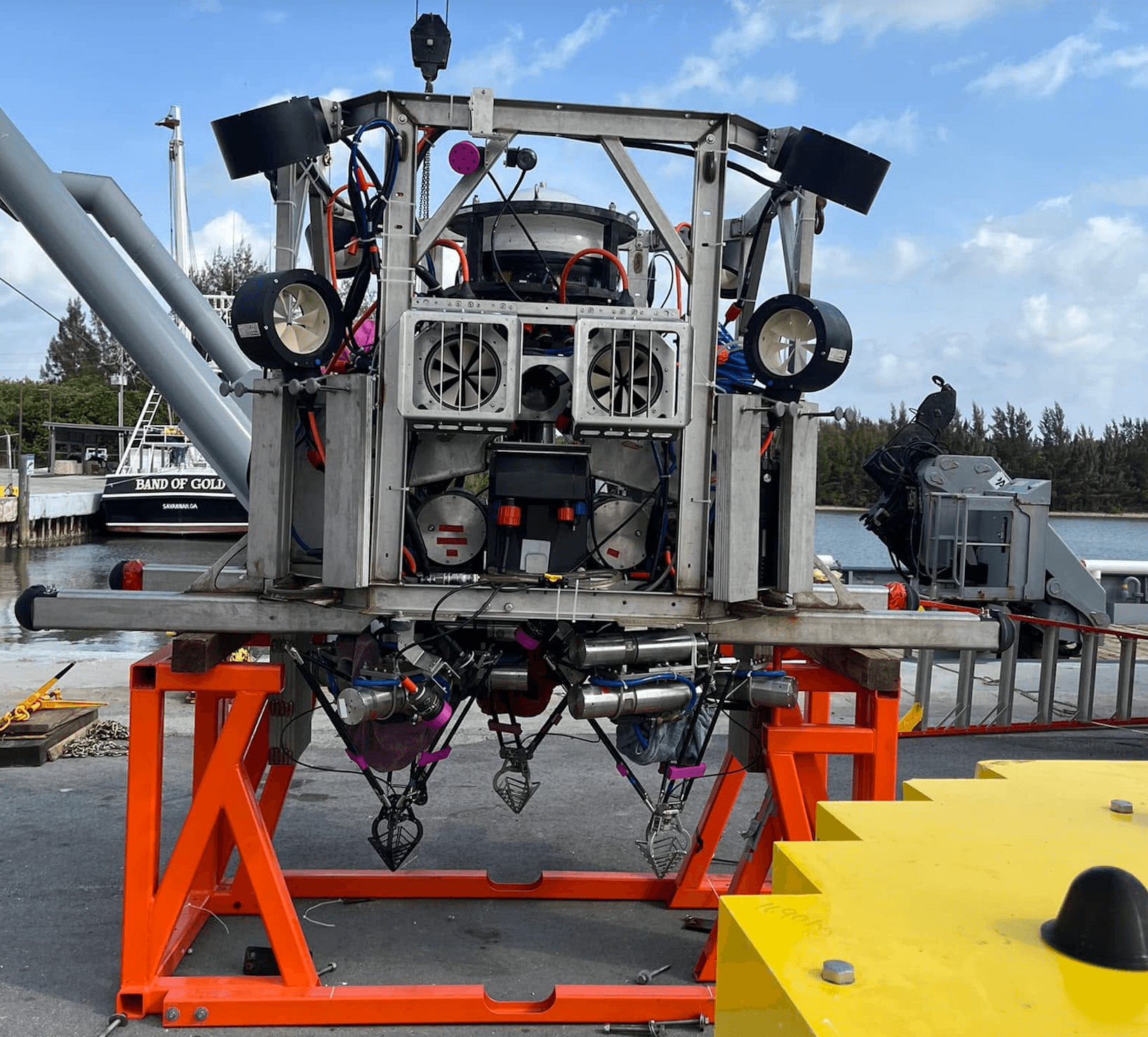
Washington now has its eyes on the ocean floor to loosen Beijing’s grip on metals and minerals that power vehicles, electronics and defense tech.
That aspiration gained more momentum this week. Interior Secretary Doug Burgum told G20 energy ministers in Houston that deep sea mining permits for U.S. territorial waters could arrive in the near-future. His department would first auction rights in American waters and then review operating permits for those sites. The Commerce Department, separately, wants to license work in waters beyond any country’s borders. Reuters named TMC the metals company Inc (NASDAQ: TMC) and privately held Impossible Metals as firms that have already sought mining permits.
“Those nodules that we just have to go out and vacuum up off the sea floor are filled with these critical minerals that we need [mainly nickel, copper, cobalt and manganese],” Burgum said. “You’ll be hearing more in the weeks and months ahead because there’s some exciting developments.”
The remarks matter because America has talked about this for decades and never opened a working mine. Under the Deep Seabed Hard Mineral Resources Act of 1980, the National Oceanic and Atmospheric Administration (NOAA) granted exploration licences in 1984. Two of those original licences remain live until 2027 and sit with Lockheed Martin Corp NYSELMT ETRLOM. But, NOAA has never granted a commercial recovery permit, the paper that would actually allow companies to lift metal-rich rocks for sale.
No country has run a large working deep sea mine. Teams have only run pilot tests. Japan has gone furthest, lifting ore from hot vents off Okinawa in 2017 and later taking small amounts of cobalt-rich crust from its own waters.
Read more: NevGold adds new CFO ahead of Limousine Butte engineering study
U.S. and Japan seek rare earths at extreme depth
Burgum’s timeline also sits beside a separate American-Japanese plan near Minamitorishima, a remote Japanese island. In March 2026 the two governments signed a deal to work together on deep sea minerals. Both countries are in need of these elements for permanent magnets and other advanced technologies.
Japan has already lifted rare-earth mud from about 6,000 metres, among the deepest recovery attempts yet, and aims for a larger trial in February 2027. Washington wants a share of that know-how as China keeps curbing exports.
The project is still a trial, not a finished mine, but it shows allies racing for the same prize Burgum just described in Houston — a supply they do not have to procure through Beijing.
NOAA opens new avenue in 2026
NOAA has also changed how firms apply. In January, it let companies seek an exploration licence and a commercial recovery permit in one filing. TMC USA was first through that door. NOAA published a notice of consolidated application in the Federal Register for TMC in August. Public comments run to Oct. 19 with a hearing six days prior. The firm wants metal-rich rocks in the Clarion-Clipperton Zone, a vast stretch of Pacific floor between Hawaii and Mexico.
Impossible Metals is in the queue as well. So are American Metal Resources and SeaX, which have sought large neighbouring blocks in the same zone; American Deep Sea Minerals, which has applied in the South Penrhyn Basin near the Cook Islands, Kiribati and French Polynesia; and Deep Sea Minerals Corp (CNSX: SEAS) (OTMKTS: DSEAF) (FRA: X450), which has filed with NOAA for international waters. None has a permit to produce.
The rocks could hold nickel, copper, cobalt, manganese and rare earths for years of industrial use. However, campaigners and island governments have warned that scraping the seabed could wreck habitats science barely understands. American non-profit Earthjustice has filed lawsuits for community groups seeking to stop planned American lease sales off American Samoa and the Mariana Islands. This legal action centres on alleged inadequate Endangered Species Act review.
The materials are valuable, but the fight over whether their extraction is worth the cost persists.

$TMC They’re saying that we’re about to have permits for deep sea mining, and the price is dropping. If this isn’t Warren Buffett telling us to buy when everyone’s freaking out I don’t know what is. Good luck everyone HODL!
Read more: NevGold files technical report backing Limousine Butte gold-antimony resource
Follow Rowan Dunne on LinkedIn
rowan@mugglehead.com