Gorilla Technology Group Inc signs US data centre LOI, targets 100+ MW
The nonbinding proposal covers an unnamed operating site with about 6 MW of power today and a possible expansion to 36 MW.
 Julian Okafor
An operating U.S. data centre has become the starting point for a much larger claim about AI hosting capacity. Gorilla Technology Group Inc. NASDAQGRRR, the London-based provider of security analytics and data-centre technology, said in its Oct. 9 release that it signed a nonbinding letter of intent to buy a facility with about 6 MW of current utility capacity.
The same release sets out a possible expansion to about 36 MW at that property and a separate goal of more than 100 MW across a U.S. portfolio within 12 to 18 months. The LOI is nonbinding, and the 36 MW and 100 MW figures describe future capacity rather than acquired megawatts. Gorilla is targeting completion of the proposed first purchase by the end of November 2026, subject to diligence, definitive documents and internal approvals.
Gorilla shares were lower at US$11.69 on Nasdaq at 9:31:18 a.m. EDT on Friday, according to the NASDAQGRRR Google Finance quote. At 9:31:18 a.m. EDT on Friday, the NASDAQGRRR quote put the shares down 2.09 per cent. The quote was taken before any definitive purchase terms were disclosed.
The Oct. 9 release does not identify the U.S. state or city, the seller or the local utility. It gives no purchase price, capital budget or financing terms for the proposed deal. Without those details, holders cannot compare the cost of acquiring today's operating capacity with the investment needed to build out the site.
Existing Facility Has About 6 MW of Utility Capacity
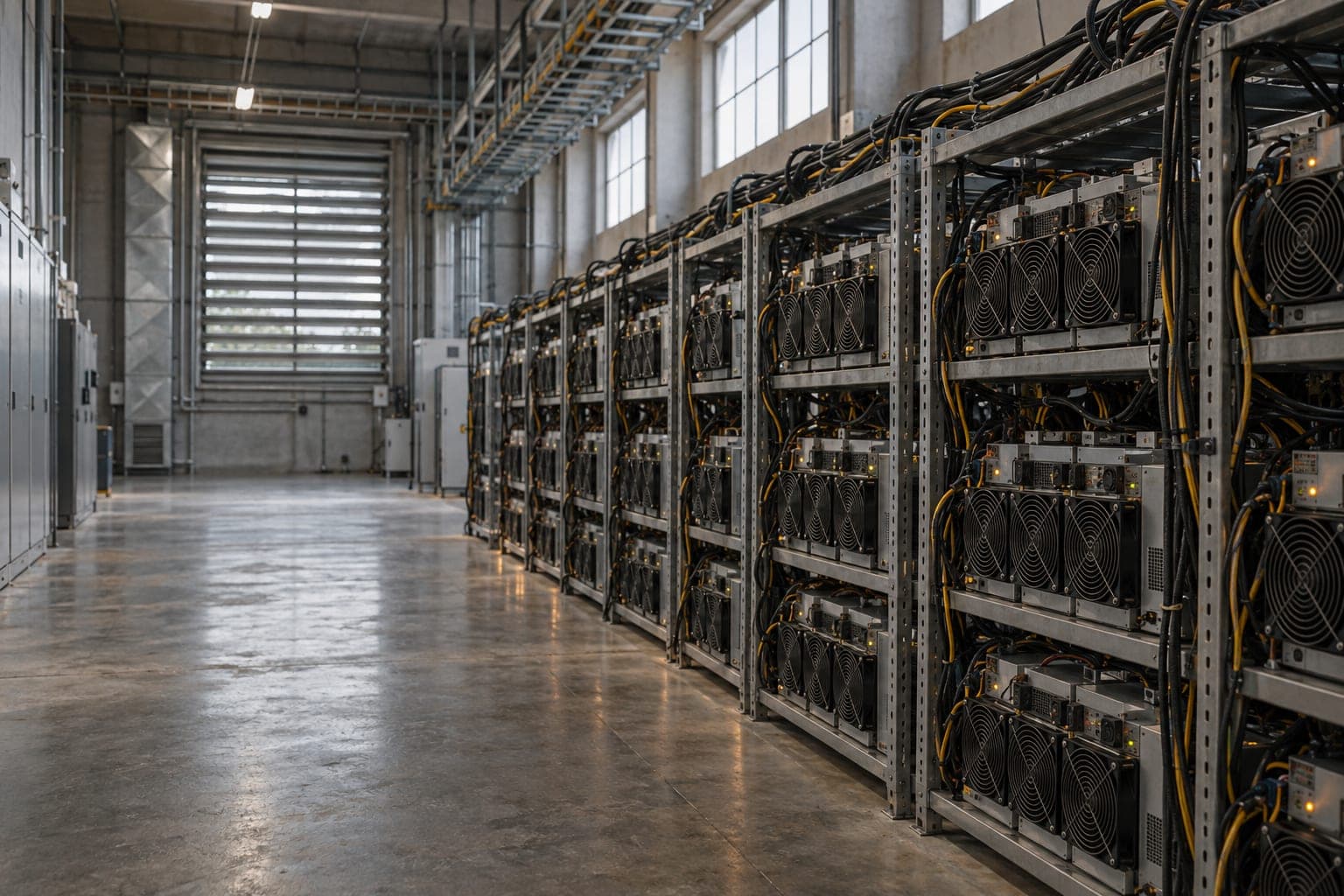
Gorilla says the facility already has electrical and cooling infrastructure, carrier-neutral connections and colocation and office operations. Existing colocation produces revenue, according to the Oct. 9 release, but the company is still reviewing the tenant list, rent roll, lease terms and historical operating results. It gives no revenue figure or contracted megawatts for those tenants.
The project team obtained written support from the unnamed utility for about 30 MW of additional power, the company says. The utility indicated delivery in roughly 18 months, subject to utility and site infrastructure work. Written support establishes a stated expansion path; the extra power is not yet in service, and the release does not reproduce the utility letter.
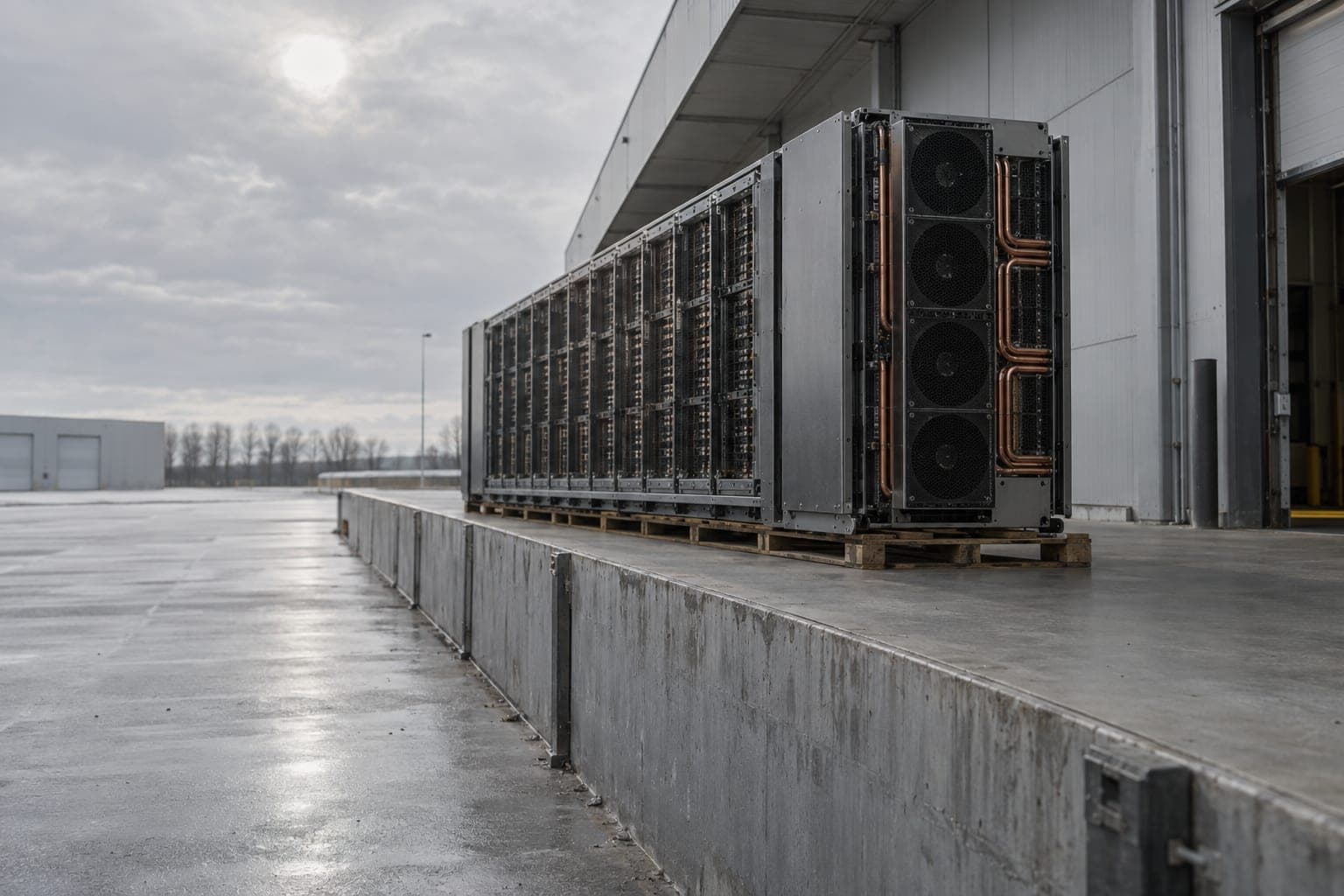
Gorilla is assessing the electrical, cooling and network systems for high-density computing, including distribution upgrades and direct liquid cooling. It says any buildout would occur in phases tied to customer requirements and available power. The 36 MW figure describes possible total site power capacity, rather than an installed GPU fleet or a contracted AI service load.
The Oct. 9 release says Gorilla is engaging prospective customers about future compute capacity, without naming a customer or describing a signed offtake. That leaves both the timetable for using the expanded power and the revenue from any GPU deployment open. The company has also not provided a complete capital expenditure programme for the proposed site.
Portfolio Goal Exceeds This Property
"Our ambition is to build beyond 100 MW over the next 12-18 months, combining owned infrastructure, AI compute capacity and long-term customer relationships," Gorilla chairman and chief executive Jay Chandan said in the Oct. 9 release.
Even at its proposed 36 MW ceiling, the first site would leave more than 64 MW to reach a portfolio above 100 MW. The company says it is evaluating other U.S. properties and could use acquisitions, site expansion and customer-led deployments. Its Oct. 9 announcement names no second property and gives no signed customer agreement for the U.S. portfolio.
Gorilla chief financial officer Bruce Bower described the first acquisition as an operating base for pursuing additional capacity and said the company would maintain disciplined investment criteria. Bower's wording treats the first property as a base for pursuing later capacity; the transaction itself still needs technical, commercial, financial and legal diligence. The proposed seller and Gorilla are negotiating definitive documents, according to the release.
The proposed U.S. ownership model follows different work overseas. In a Sept. 8 update, Gorilla said equipment deliveries had begun for its Indian AI infrastructure programme, which it described as involving more than 25,000 GPUs. It tied that programme to its ambition for about US$500 million in 2027 revenue, a company projection rather than reported sales.
A Sept. 22 statement described a separate, multiyear Taiwanese intelligence infrastructure contract worth tens of millions of dollars, with deployment planned from the fourth quarter of 2026 through the fourth quarter of 2027. Those announcements concern equipment and services, while this U.S. proposal would put Gorilla in direct control of the property and its power expansion work.
The financial test after construction is visible in Mugglehead's Oct. 8 coverage of AI hosting earnings. Gorilla's Oct. 9 release gives neither a price for the proposed building nor a forecast of revenue from its U.S. plan, so the comparison must wait for transaction terms and operating results.
Read more: Applied Digital Corporation reports US$341.9M revenue, US$221M loss
November Closing Would Test the First Purchase
Gorilla's work before closing includes site inspection, power verification, lease review and preparation of a development programme. A definitive agreement would set the purchase obligations; the Oct. 9 letter of intent is nonbinding and the company says completion remains subject to satisfactory diligence and customary conditions. Gorilla targets the end of November 2026 to complete its first U.S. data-centre purchase.