Global gold leaders navigate disruption in 2025: A Mugglehead roundup
Shifting geopolitical conditions, regulatory changes and asset-level disruptions have reshaped the competitive landscape
 Joseph Morton
Gold production remains one of the clearest ways to measure scale and influence in the global mining sector. Output, measured in metric tons, provides a straightforward benchmark for comparing the world’s largest producers.
In 2025, the top five companies continued to dominate global supply using that metric, delivering substantial volumes across multiple continents and operating environments. Their combined output reflects both the depth of their asset bases and the complexity required to sustain large-scale production.
However, the rankings do not tell a simple story of uninterrupted growth. Several companies have climbed into stronger positions in recent years, sometimes benefiting from competitors’ operational setbacks or external pressures. In other cases, shifting geopolitical conditions, regulatory changes and asset-level disruptions have reshaped the competitive landscape. These factors have influenced production totals just as much as exploration success or capital investment.
At the same time, maintaining a leading position has required constant adjustment. Even the highest-ranked producers have navigated disputes with governments, environmental scrutiny and evolving project economics. Some have restructured portfolios, while others have worked to stabilize key operations under difficult conditions. Production totals remain high, but the path to achieving them has grown more complex. As a result, the top five reflects not just scale, but the ability to adapt in a changing global mining environment.
Here are the top five companies by global gold production.
Newmont Corporation
Newmont Corporation TSENGT NYSENEM FRANMM leads global gold production with a wide operational footprint and consistent output growth. In 2025, the company produced 183.17 metric tons of gold, maintaining a clear lead over competitors.
Its portfolio spans multiple continents, including North and South America, Africa and Australia, which serves to diffuse geopolitical risk. The company also holds a 38.5 per cent stake in Nevada Gold Mines, a joint venture with Barrick Mining Corp TSEABX NYSEB ETRABR0, and that asset remains a major contributor.
Meanwhile, Newmont reported nearly one million ounces from that complex alone. The firm also continues to expand in Ghana through its Ahafo operations. Furthermore, Ahafo North reached commercial production in late 2025, which should support steady output increases.
Following its merger with Newcrest Mining in 2023, the company moved quickly to streamline its expanded portfolio through a broad divestiture push.
The company has since entered a sustained selling cycle, unloading non-core assets to improve efficiency and reduce operational complexity. In January 2025, it sold the Porcupine complex in Ontario for USD$425 million as part of a larger USD$4.3 billion divestiture program.
Additionally, this asset sale reflects a wider effort to consolidate around high-margin operations with longer mine lives. Subsequently, the company has targeted projects that no longer fit its long-term production profile.
Newmont has since shifted from expansion through acquisition to disciplined optimization. This retrenchment strategy allows it to prioritize capital allocation toward its strongest assets while maintaining global production leadership.
Read more: NevGold discovers transformational oxide gold-antimony structure at Limousine Butte
Read more: NevGold raises up to CAD$25M to fast-track Limo Butte development
Agnico Eagle Mines
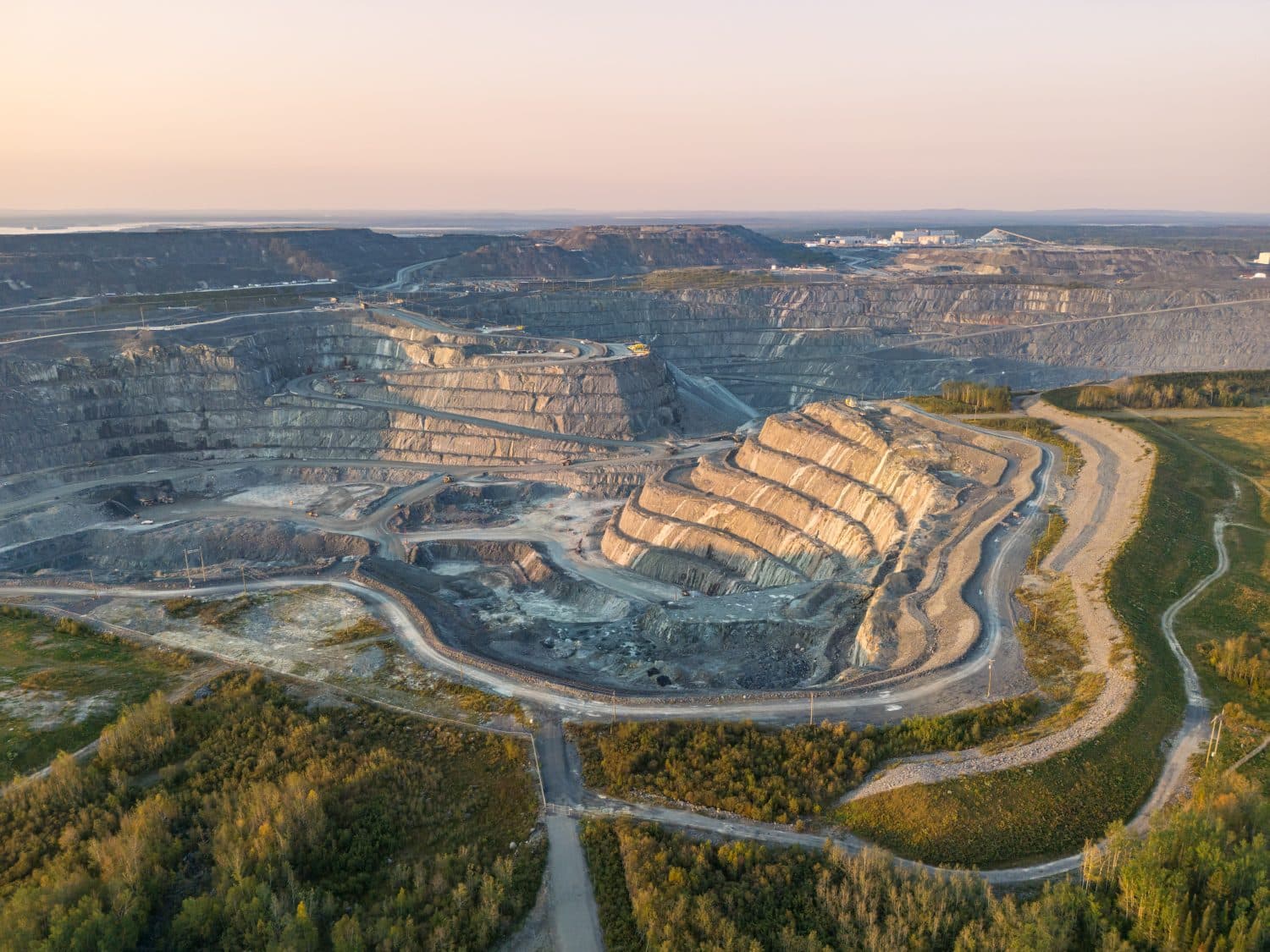
Agnico Eagle Mines Limited NYSEAEM TSEAEM holds second place with strong production rooted in stable jurisdictions. The company produced 107.23 metric tons of gold in 2025, supported by a fully owned portfolio. In addition, Agnico operates 11 mines, with a heavy concentration in Canada. This geographic focus provides operational stability and regulatory clarity.
Its Detour Lake mine remains a cornerstone asset, delivering over 690,000 ounces during the year. Meanwhile, the Canadian Malartic complex also contributes significant output through a mix of open-pit and underground mining. However, the open pit reached depletion in 2023, and the company plans a full underground transition by 2029.
Furthermore, Agnico’s strategy emphasizes long-term resource development rather than aggressive acquisitions. The firm continues to optimize existing assets while maintaining disciplined capital allocation. Consequently, it has built a reputation for steady production and predictable growth. In addition, its diversified asset base across multiple countries reduces operational risk while supporting consistent output.
In recent weeks, the company has moved to consolidate northern Finland through a coordinated acquisition strategy focused on Aurion Resources and regional joint ventures. In April 2026, the company agreed to acquire Aurion in an all-cash deal valued at approximately CAD$481 million, offering a 46 per cent premium to shareholders.
Further, Agnico will purchase a 70 per cent stake in the Fingold joint venture from B2Gold Corp. NYSEAMERICANBTG TSEBTO for USD$325 million. Aurion holds the remaining 30 per cent interest, so the combined transactions will give Agnico full ownership of the project. The deal subsequently strengthens Agnico’s position in the Central Lapland Greenstone Belt. Consequently, the company can integrate assets around its Kittilä mine and Ikkari project, while improving operational efficiency and long-term production visibility.
Barrick Mining
Barrick Mining ranks third globally, producing 101.24 metric tons of gold in 2025. The company operates across several continents, which provides diversification but also introduces geopolitical complexity.
Its largest asset remains Nevada Gold Mines, where it holds a 61.5 per cent stake. That operation subsequently delivered nearly 1.6 million ounces, representing a major portion of Barrick’s output. The company is preparing a potential spin-out of that asset, with plans for an IPO in late 2026.
2025 marked a difficult year for Barrick Mining as a series of operational and strategic challenges weighed on performance. The company faced major disruptions in Mali at its Loulo-Gounkoto complex, where a dispute with the government sharply reduced production for most of the year.
However, both sides reached an agreement in November 2025, allowing Barrick to regain control in December and secure a 10-year licence extension. Meanwhile, broader production trends softened across several assets, reflecting operational strain.
Additionally, Barrick contended with persistent security risks in Pakistan, particularly around the Reko Diq project, where regional instability and infrastructure constraints complicated development timelines. Furthermore, the company faced environmental pressure at Hedley Creek in British Columbia, where legacy tailings and water management concerns drew regulatory scrutiny and community attention.
Consequently, Barrick entered 2026 in recovery mode, working to stabilize operations, address site-specific risks and rebuild investor confidence.
Read more: NevGold reports more positive drill results as gold-antimony resource estimate nears
Read more: NevGold positions Nevada project for near-term antimony output
Navoi Mining and Metallurgy Company
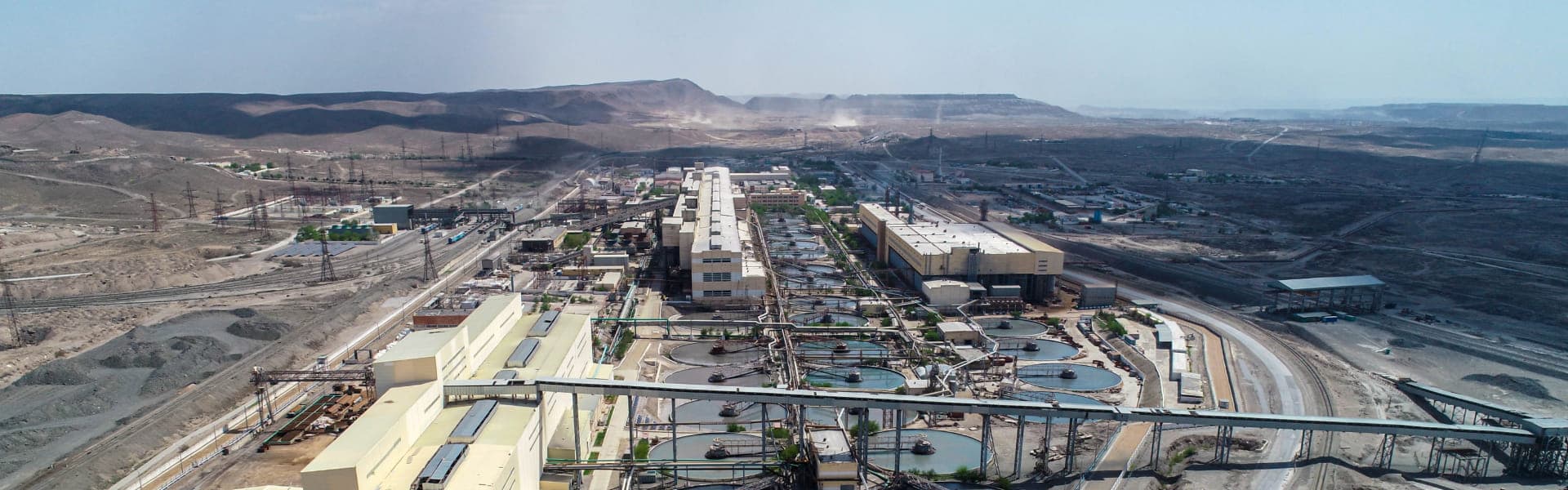
Navoi Mining and Metallurgy Company ranks fourth, producing 97.98 metric tons of gold in 2025. The Uzbekistan-based firm operates one of the largest mining portfolios in Central Asia.
It manages 12 mines, including the massive Muruntau deposit. That mine has been in production since 1969 and remains one of the world’s top gold producers. Muruntau also delivered an estimated 2.68 million ounces in 2024, demonstrating its scale.
The company has operated since the Soviet era and continues to modernize its infrastructure. Further, Navoi is exploring the possibility of a public listing, which could attract international investment. Its centralized structure allows for coordinated development across multiple assets.
However, the company does not provide detailed production breakdowns, which limits transparency. Consequently, investors often rely on aggregate figures to assess performance. In addition, its long operational history provides a stable production base despite limited public disclosure.
Navoi also plays a central role in Uzbekistan’s economy, with gold exports forming a significant source of state revenue and foreign currency inflows.
The company functions as a strategic national asset, with its performance closely tied to broader economic stability. Additionally, government oversight remains a defining feature of its operations, shaping both investment decisions and long-term planning.
Meanwhile, plans for a public listing have circulated for several years, but timelines have shifted as officials weigh market conditions and valuation concerns.
This cautious approach reflects a broader effort to balance state control with potential access to international capital.
Consequently, any future listing would likely mark a major step in Uzbekistan’s economic reforms while increasing transparency around one of the country’s most important industrial enterprises.
AngloGold Ashanti
AngloGold Ashanti PLC NYSEAU holds fifth place with 96.11 metric tons of production in 2025. The company operates across Africa, South America and Australia, which supports geographic diversification.
Additionally, its Geita mine in Tanzania remains a key asset, producing over 190,000 ounces. The company also holds a 45 per cent stake in the Kibali mine in the Democratic Republic of Congo.
Kibali stands as Africa’s largest gold operation, producing over 670,000 ounces in 2025. AngloGold’s attributable share reached more than 300,000 ounces from that site. Further, the company continues to explore new projects globally while maintaining existing operations. Its strategy focuses on balancing growth with operational efficiency.
However, operating in multiple jurisdictions introduces political and logistical risks. Consequently, AngloGold must manage complex regulatory environments across its portfolio. In addition, its diversified asset base helps offset regional disruptions and maintain steady output.
Regardless, AngloGold Ashanti has entered 2026 with strong financial momentum, and seems primed to navigate rising regulatory pressures.
The company reported sharply higher earnings in 2025, driven by elevated gold prices and improved operational efficiency. AngloGold has also moved to strengthen its balance sheet through debt reduction initiatives, including plans to repurchase up to USD$650 million in outstanding notes.
Governments in Africa have also increased oversight of mining operations. In Ghana, officials have directed the company to transition certain activities to local contractors by the end of 2026. Consequently, AngloGold faces potential cost increases and reduced operational control in that region. Further, the company continues to reshape its portfolio, including asset sales and advancement of projects in the United States. Growing resource nationalism may further complicate long-term planning despite strong underlying market conditions.
.