Georgia Power and Google to fund 96 MW of nuclear uprates at Vogtle and Hatch
Under filings made Monday with Georgia regulators, Google's subscription would deliver an estimated US$900 million in benefits to the utility's customers.
 Julian Okafor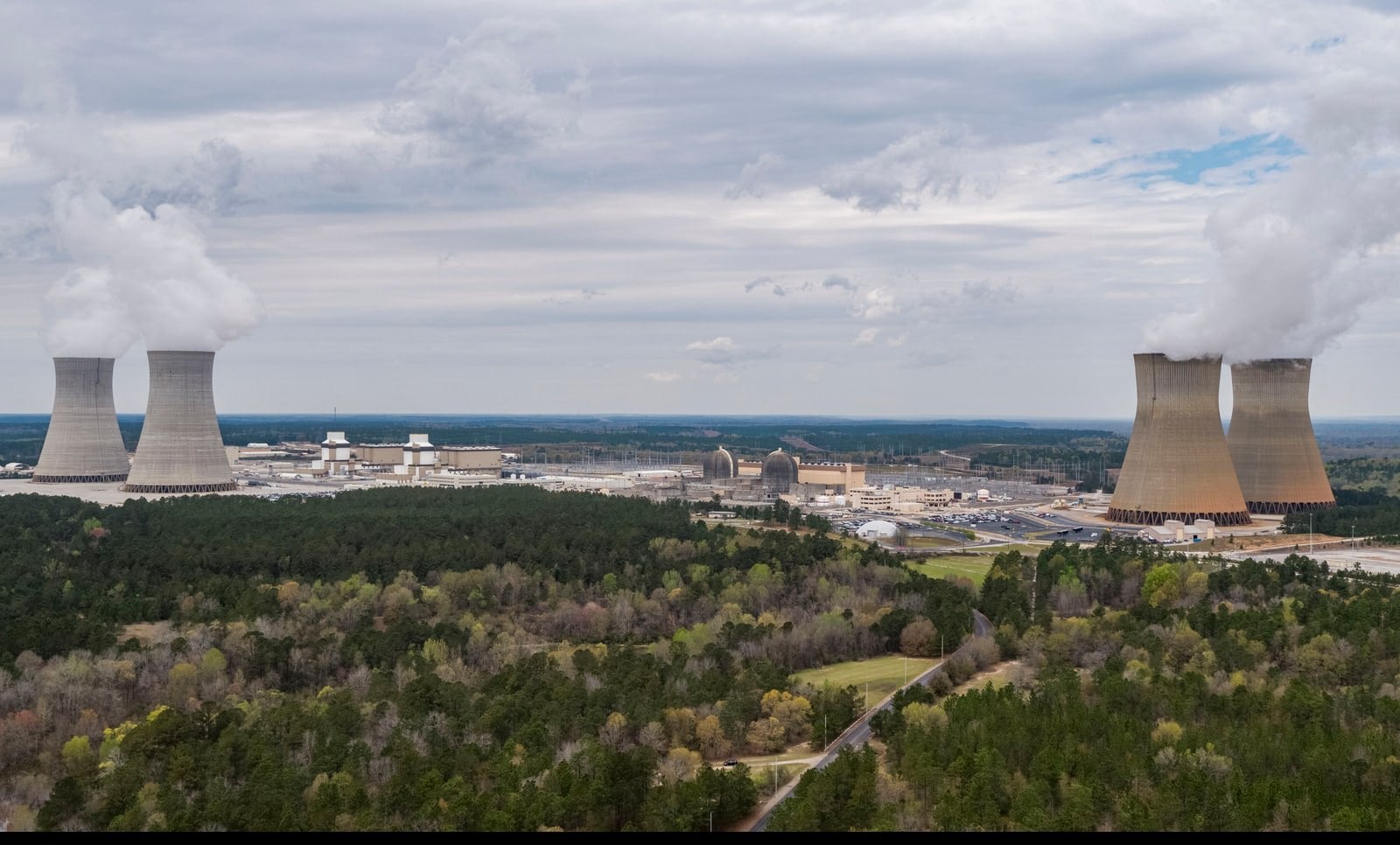
Georgia Power, the largest electric subsidiary of Southern Company NYSESO, said on Monday that Google, part of Alphabet Inc. NASDAQGOOGL, will help pay for power uprates at its Plant Vogtle and Plant Hatch nuclear stations. The work would add about 96 megawatts of capacity to the Georgia grid, and the utility filed the plan the same day with the state's Public Service Commission. Google's subscription is expected to deliver an estimated US$900 million in benefits to Georgia Power's 2.8 million customers over the life of the reactors, and it hands Southern a way to serve booming data centre demand from existing plants rather than new construction.
Southern Company is an Atlanta based utility holding company whose regulated subsidiaries supply electricity and gas across the US Southeast, and Georgia Power calls Plant Vogtle the largest generator of clean energy in the country. Southern's shares closed at US$85.46 on the New York Stock Exchange on Monday, little changed from US$85.52 on Friday, on about 7.8 million shares. The 96 megawatts are small against the company's generating fleet, and the deal is immaterial to Alphabet, whose stock closed at US$354.97 the same day.
Alphabet, the Mountain View, California parent of Google, has become one of the most active corporate buyers of clean power as its data centres expand. Lucia Tian, the company's director of advanced energy technologies, cast the arrangement as a way to bring new nuclear online by expanding the capacity of existing reactors. Google says the subscription will help fund upgrades that benefit every customer on the system while supporting local economic development around the sites it runs in the state.
The Uprate And The Tariff
An extended power uprate raises a reactor's output through upgrades to equipment such as turbines, pumps and cooling systems, letting the unit run at a higher licensed thermal power level on its existing fuel. Georgia Power's Monday filings, Docket 44280 and Docket 56002 at the Public Service Commission, seek approval for a new uprate at Plant Hatch units 1 and 2 and set out a Nuclear Uprate tariff governing how the work is paid for. The commission had already cleared an uprate for Plant Vogtle units 1 and 2 in its 2025 Integrated Resource Plan.
Under the tariff, Google subscribes to the added output and takes the zero emission credits that represent the carbon free attributes of the power, a structure Georgia Power says shields customers who do not take part from the incremental cost of the work. The utility casts the subscription as an extension of the renewable programs it has sold to large customers for years, announcing it alongside the regulatory filings.
"Many of our large customers have specific clean energy goals, and we continue to work with the Georgia PSC to create programs that not only help them meet their goals, but align with our Customer Protection Pledge," Aaron Mitchell, Georgia Power's senior vice-president of strategic growth, said in the release.
What The Deal Adds To The Grid
Nuclear supplied more than 25 per cent of the electricity generated in Georgia last year, and the state has leaned on Vogtle since units 3 and 4 entered service, the newest reactors to come online in the United States. Georgia Power has told regulators that demand from data centres and manufacturing is reshaping its long range plans, and the uprate program grew out of the 2025 plan the commission approved to meet that growth. The uprate route lets the utility expand its nuclear base without the schedule and cost overruns that marked the Vogtle construction, while the subscription ties the extra megawatts to a single well funded buyer whose computing sites are driving the load.
The Nuclear Bet Behind The Data Centre Boom
Investors have already repriced the listed nuclear operators around that demand. Constellation Energy Corp. NASDAQCEG, Talen Energy Corp. NASDAQTLN and Vistra Corp. NYSEVST have become the names traders weigh as proxies for data centre power, each holding reactor fleets the market sees as positioned to sell into hyperscale computing. Southern's move is more conservative, adding a sliver of capacity to plants it already runs rather than restarting or contracting out a whole unit, and it keeps the output inside its regulated system.
Read more: NuScale manufactures first-of-a-kind safety pellets for SMR technology
Read more: ABB, Rolls-Royce SMR partner on factory-built nuclear reactors
The filings now sit with the Georgia Public Service Commission, whose approval the Hatch uprate and the Nuclear Uprate tariff require before Google's subscription can take effect.