Dreadnought Resources Ltd finds two new tungsten anomalies at Mangaroon South
Dreadnought expects further rock-chip assays in December from Bordah, where a separate soil anomaly measures about 900 metres by 300 metres.
 Theo Marchetti
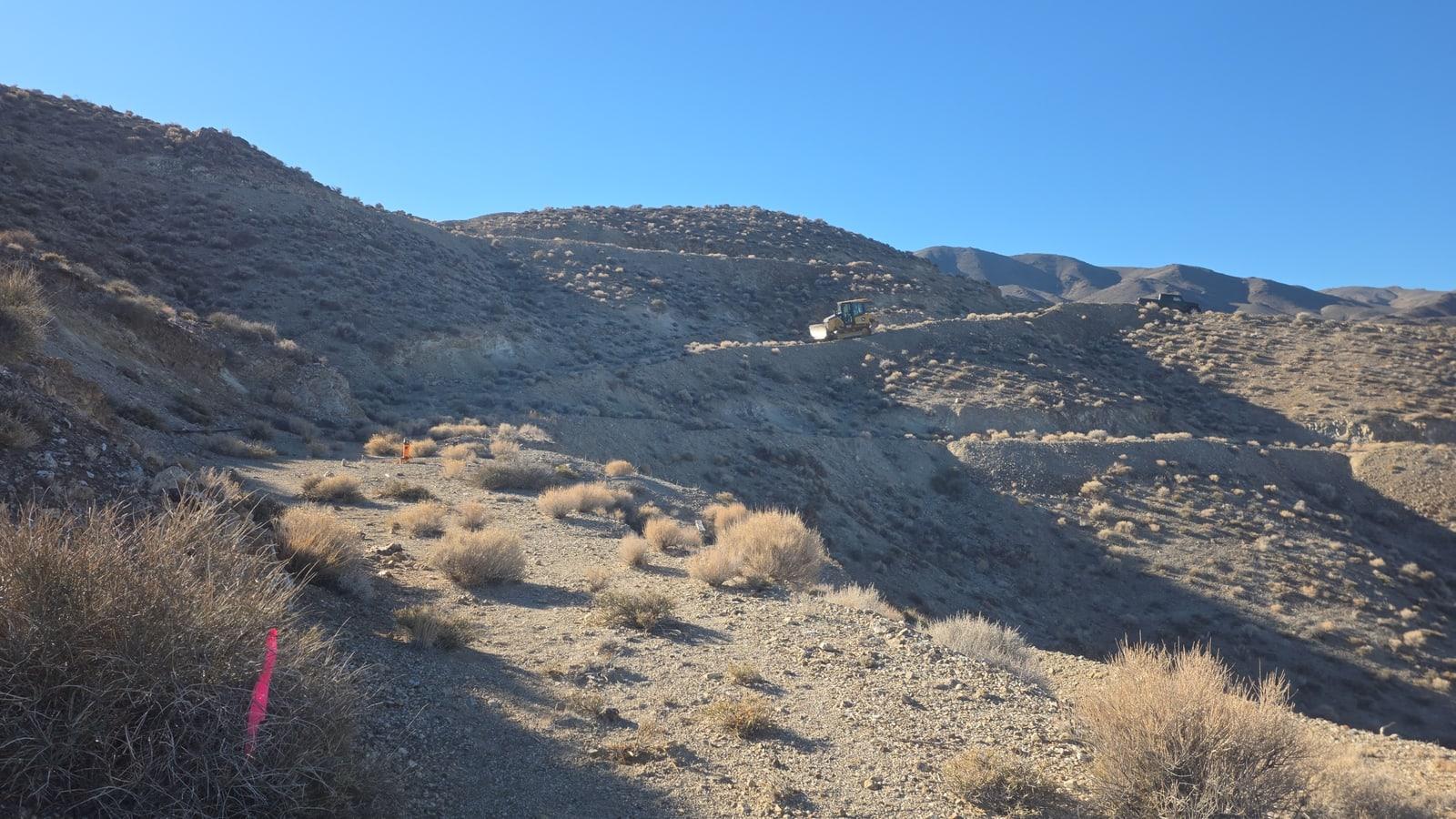
Dreadnought Resources Ltd ASXDRE identified two new tungsten anomalies at Mangaroon South in Western Australia, the company said in a Nov. 23 Australian Securities Exchange filing. Soil sampling at the separate Bordah prospect outlined a tungsten anomaly about 900 metres by 300 metres, while rock chips assayed as high as 1.4 per cent tungsten trioxide.
Dreadnought shares were unchanged at A$0.011 in Sydney as of 4 p.m. AEDT on Nov. 23, according to Google Finance's ASXDRE quote.
Dreadnought owns the Mangaroon gold-tungsten project outright and is still defining drill targets at Bordah and Mangaroon South. It expects more rock-chip assays from Bordah in December and results from follow-up stream sediment sampling at Mangaroon South in January 2027.
Most of Bordah's Tungsten Target Lies Under Cover
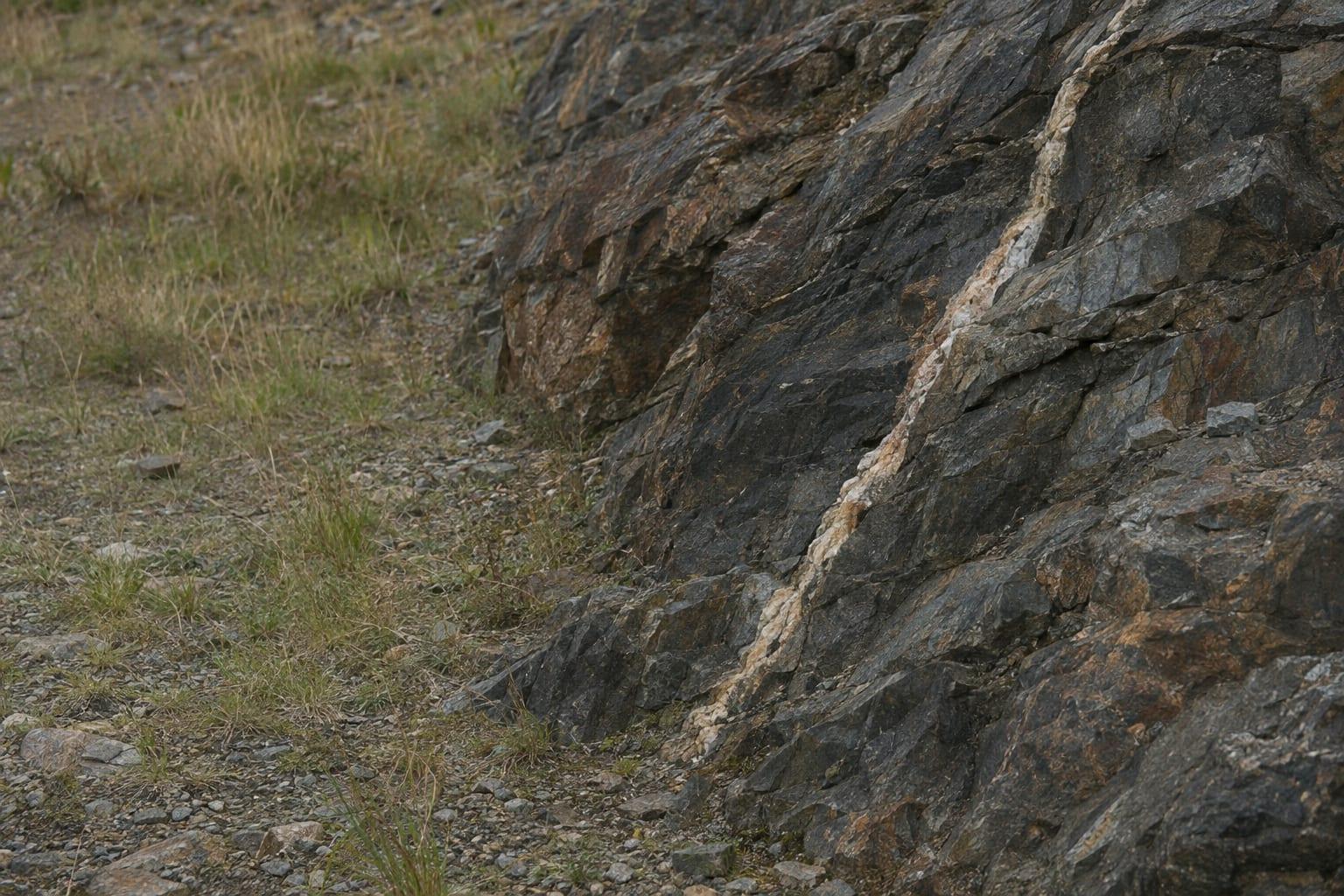
Dreadnought says the quartz veins may continue beneath cover, which obscures more than 95 per cent of the tungsten target at Bordah. At surface, crews found scheelite, a tungsten mineral, in closely spaced veins. Their mapped footprint, about 350 metres by 100 metres, is smaller than the soil anomaly.
Dreadnought also found bismuth and molybdenum in the soil anomaly, elements it associates with intrusion-related tungsten deposits. Two other Bordah rock chips returned 1.3 per cent and 1.1 per cent tungsten trioxide.
"The surface results at Bordah are encouraging, however, drilling is required to determine the density and continuity of the veins and the overall grade of the system," Dreadnought managing director Dean Tuck said in the filing.
The stream sediment survey that found the two new tungsten anomalies at Mangaroon South also identified a gold anomaly in the Chalba Shear Zone. At the historical Mulka Well occurrence in the same area, Dreadnought reported earlier rock-chip grades of up to 1.9 per cent tungsten trioxide. The company acquired the Mangaroon South ground in March 2026.
Dreadnought said in an Oct. 21 filing it was awarded A$180,000 in state co-funding for first-pass reverse circulation drilling at Nina, a separate tungsten target at Mangaroon. In that filing it forecast an April or May 2027 start for its broader Mangaroon discovery drilling program, including Nina.
Dreadnought's October filing describes a tungsten market where producers and buyers negotiate prices directly, with ammonium paratungstate assessments used as a benchmark.
Elsewhere in Australia, Tungsten Mining NL ASXTGN OTCMKTSTGNMF has completed a definitive feasibility study for its Watershed project in Far North Queensland. Tungsten Mining said in a Nov. 16 filing it had yet to make a final investment decision or enter a binding offtake agreement.
Read more: VR Resources starts follow-up drilling for tungsten at New Boston
Dreadnought plans to use the December 2026 assays and detailed mapping to select drill targets at Bordah. The January 2027 sediment results will guide where crews map and collect soil and rock chips at Mangaroon South before the company picks drill targets there.