Gold prices touch 14‑month low as COMEX futures fall 3.1%
Agnico Eagle shares fell in Toronto ahead of the Federal Reserve's scheduled release of its October meeting minutes.
 Theo Marchetti
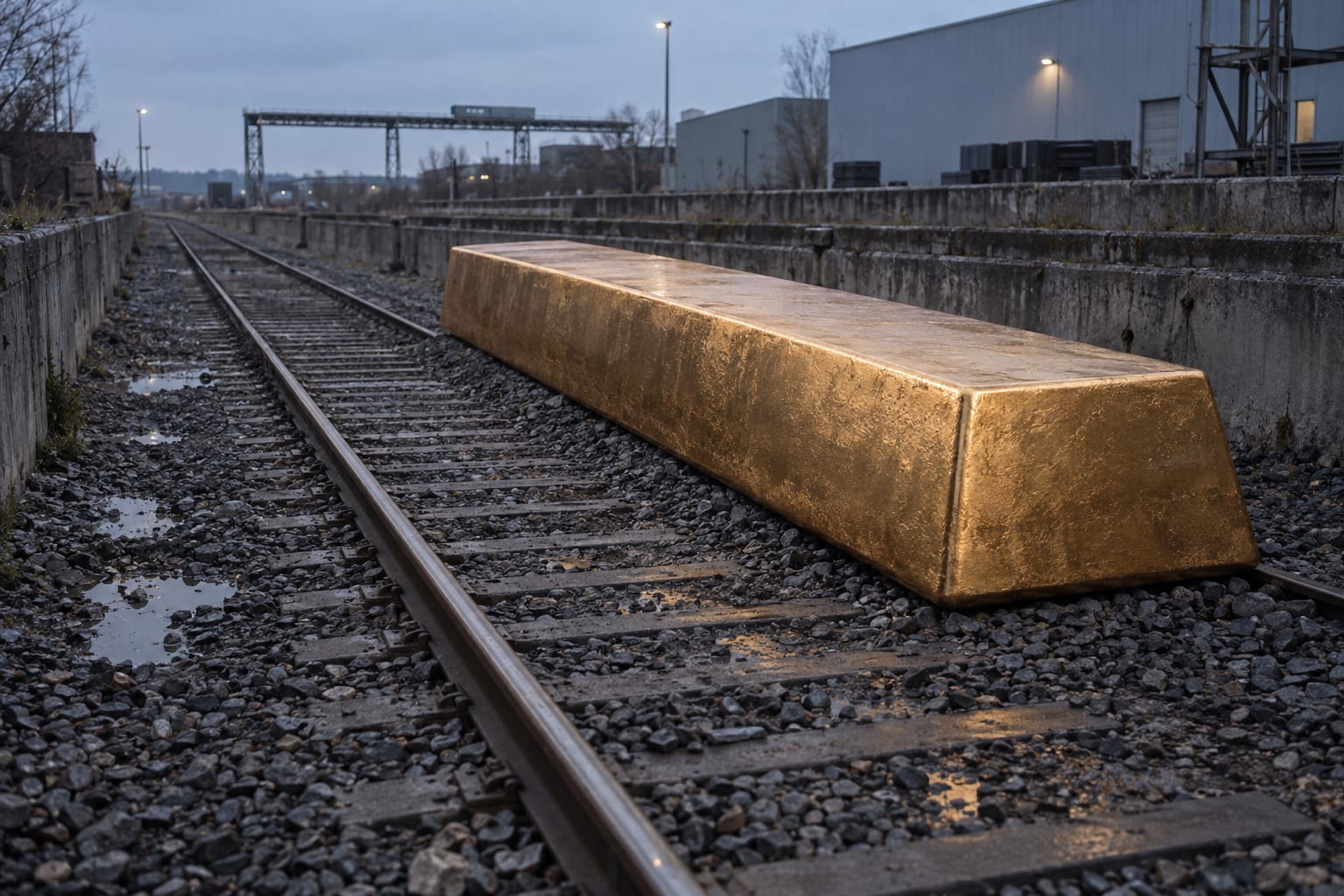
Gold futures for December delivery fell 3.1 per cent to US$3744.50 an ounce on COMEX at 10:22 a.m. CST on Wednesday, according to delayed CME Group data. The Kitco spot bid was down 2.83 per cent at US$3739.30 an ounce at 1:10 p.m. EST on Wednesday.
Spot gold reached its lowest since Sept. 26, 2025, in Reuters' analysis of morning trading on Nov. 18. Reuters reported that the U.S. dollar and Treasury yields rose as investors anticipated higher interest rates.
Shares of Agnico Eagle Mines Limited TSEAEM NYSEAEM fell 7.71 per cent to C$228.41 in Toronto at 12:47 p.m. EST on Wednesday. In New York, Coeur Mining, Inc. NYSECDE shares traded lower at US$12.25 at 1:06 p.m. EST on Nov. 18.
The declines came ahead of the release of the Federal Reserve's October meeting minutes. On COMEX, the selloff also reached the February gold contract, which calls for delivery after the Fed's December meeting.
The December contract settled at US$3,864.20 an ounce on Nov. 17, according to CME's prior settlement data. February delivery retained a premium to December in the exchange's Nov. 18 snapshot, even as both prices fell.
"We believe the selloff reflects mounting pressure from a strengthening US dollar, rising Treasury yields and expectations of further monetary tightening," Naeem Aslam, chief investment officer at Zaye Capital Markets, told Reuters.
Higher Treasury yields raise the income investors give up when they hold bullion, which pays no interest. A stronger U.S. dollar can also make gold more expensive in other currencies, even when the dollar price of bullion is falling.
Lower Realized Prices Would Squeeze Mine Margins
A sustained decline in bullion would reduce the revenue a producer receives for each unhedged ounce sold at a price tied to the market. If mining and processing costs hold steady, lower realized prices leave less cash for developing replacement ore, buying equipment and servicing debt. Mines with higher operating costs have less room to absorb that loss of revenue.
The price a miner receives depends on when its sales are priced. A fixed-price contract can shield the ounces it covers from a decline in spot prices, while the rest of a producer's output remains exposed to the market. Exchange rates also affect the margin. A stronger U.S. dollar can lower the dollar equivalent of expenses paid in a weakening local currency, offsetting part of a gold price decline for a miner with those costs.
Read more: Allied Gold targets year-end Kurmuk commercial production as grid work advances
The Fed's meeting calendar pairs the Dec. 8-9 rate meeting with a new set of economic projections. Before then, the minutes due at 2 p.m. EST on Nov. 18 will give investors the committee's account of the October discussion and how officials weighed inflation risks.