Canagold drills 4.62 metres grading 4.57% antimony at New Polaris
The gold-bearing intersection is measured along drill core, while true vein widths and economic antimony recovery remain undetermined.
 Theo Marchetti
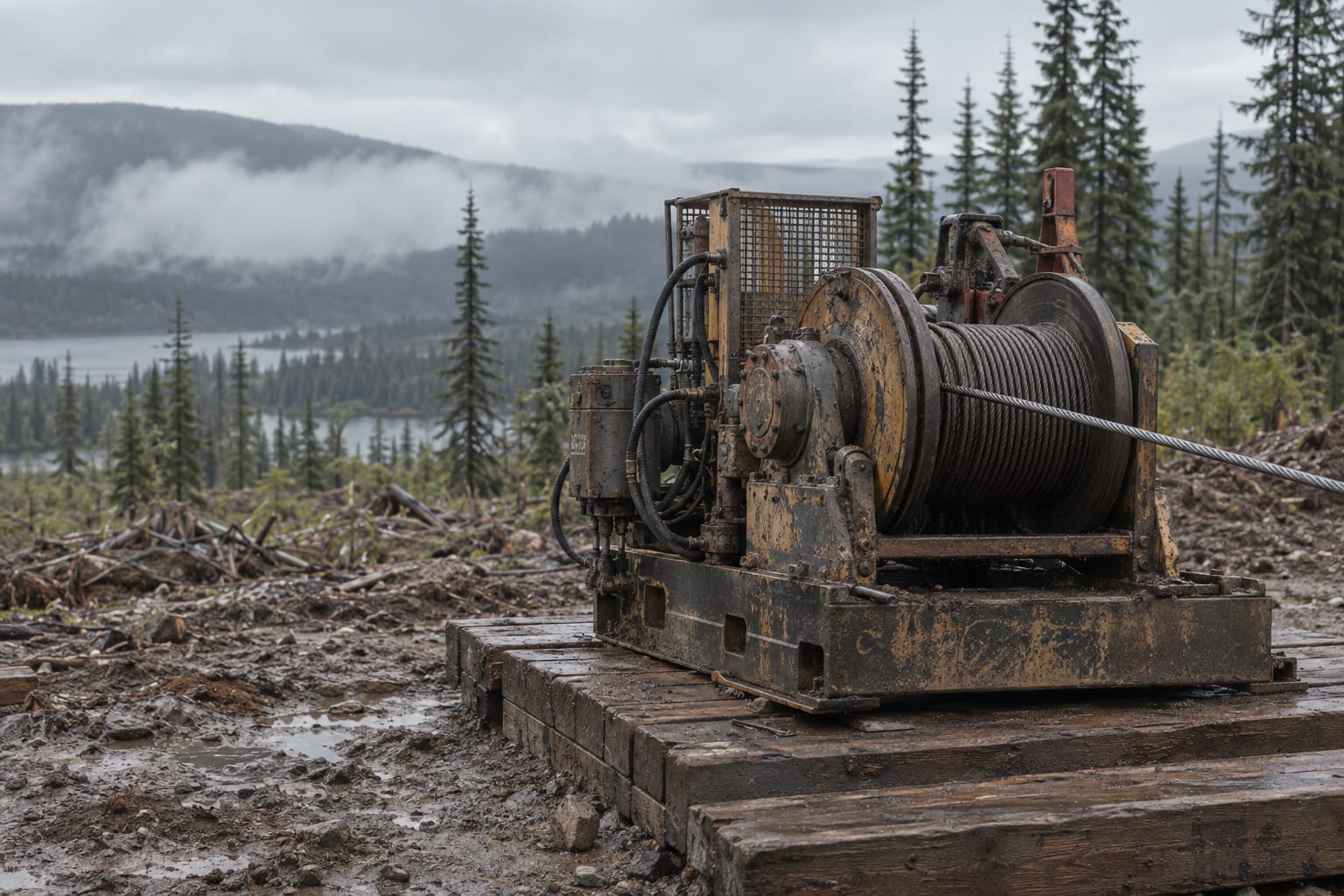
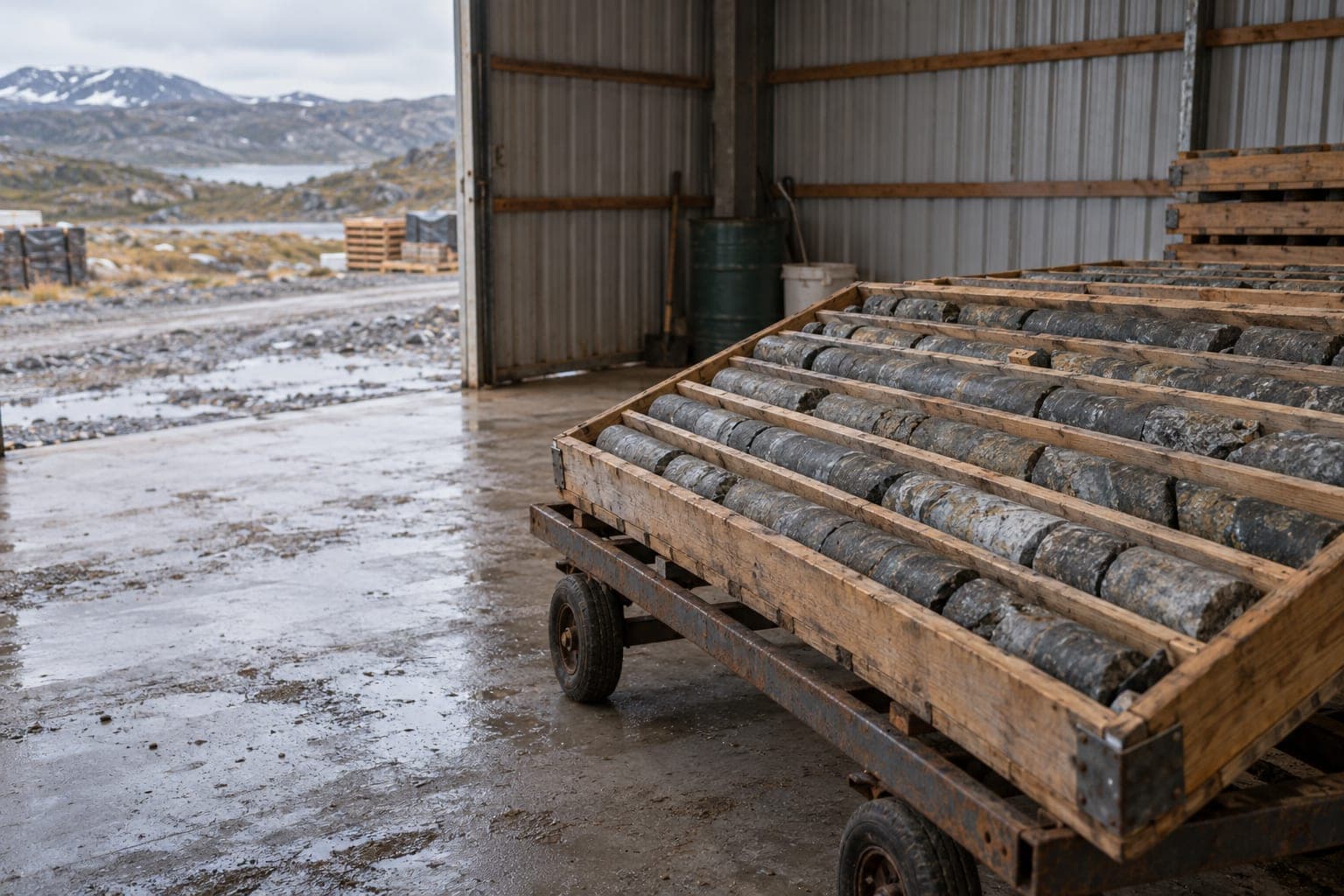
Canagold Resources Ltd. TSECCM OTCMKTSCRCUF FRACANA, listed on the Toronto Stock Exchange, reported on Tuesday that drilling at New Polaris in British Columbia returned 4.62 metres grading 4.57 per cent antimony. The interval in hole NP26-10A also averaged 37.7 grams per tonne gold, adding results from a program designed to expand gold-antimony mineralization.
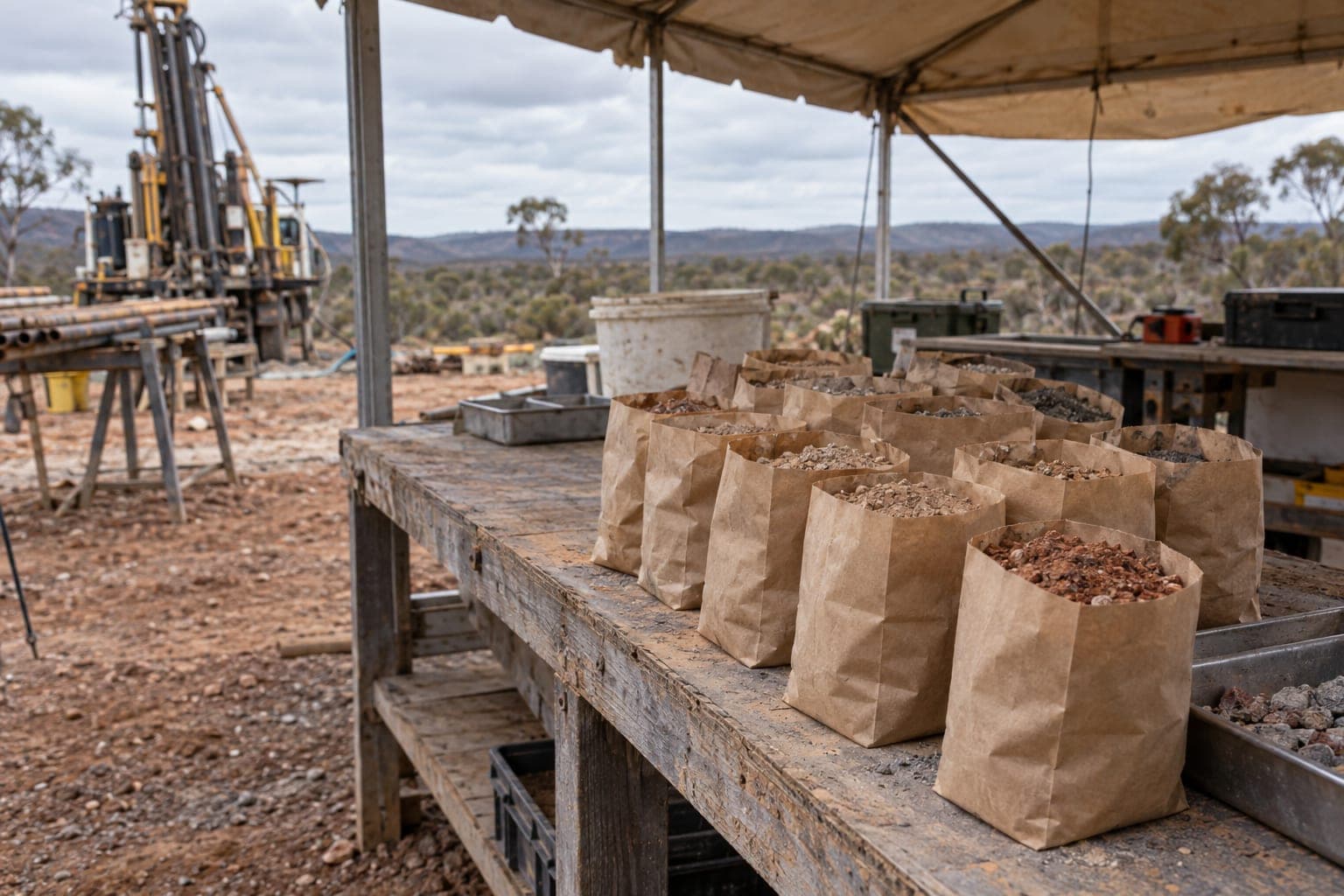
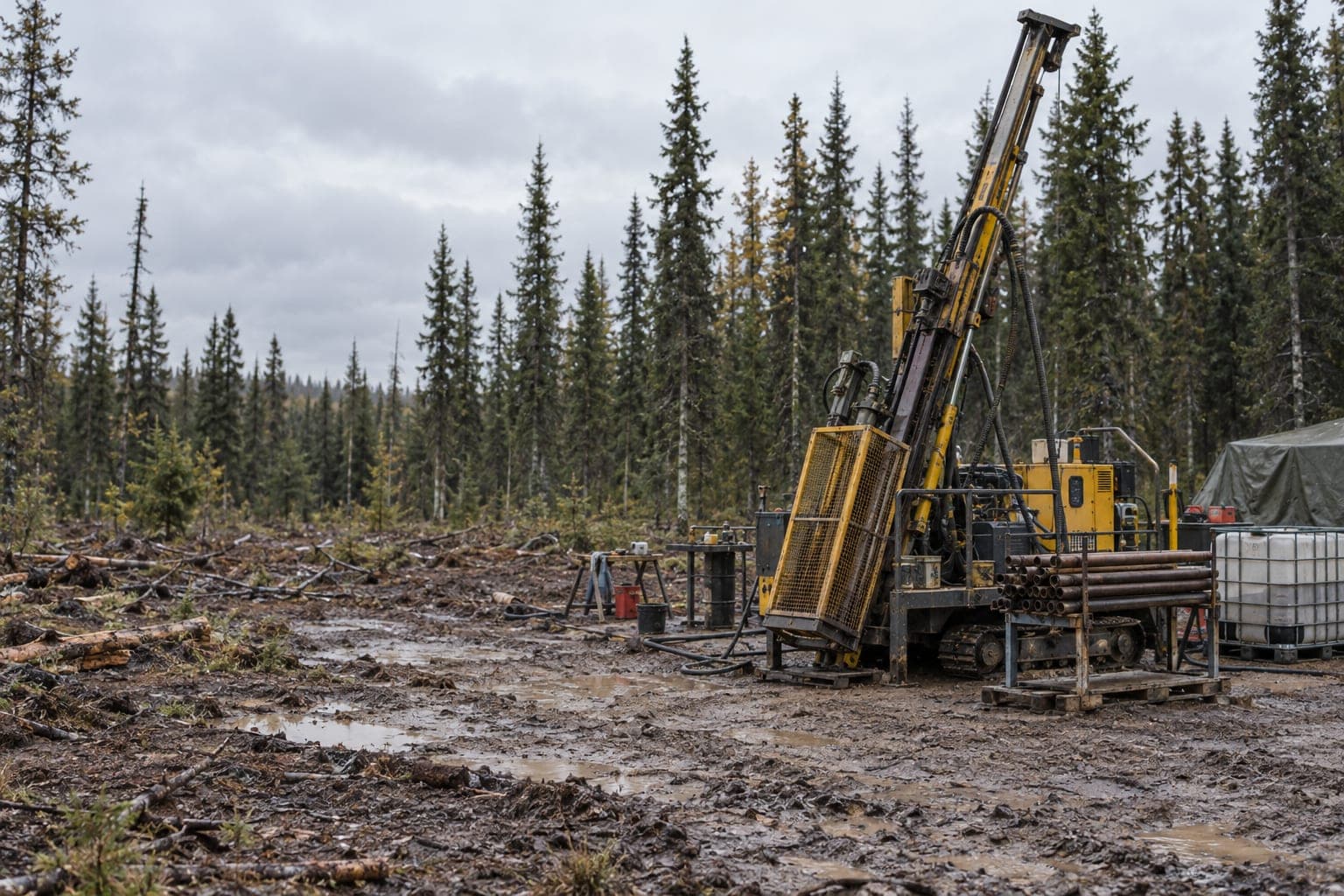
Canagold is developing the wholly owned project in northwestern British Columbia. Its completed infill and expansion program drilled 7,277 metres across 14 holes, and Tuesday's announcement covers four additional holes.
Before the release, Canagold shares were C$0.61 on the Toronto Stock Exchange at 4 p.m. EST on Nov. 2, according to the TSECCM quote on Google Finance. That quotation predates the new assays.
The reported intervals are core lengths, not established true widths. Canagold says drilling and modelling are insufficient to determine the veins' true dip and strike orientation, while its planned metallurgical work is intended to test recovery and product specifications.
True Widths Remain Undetermined
The main interval in NP26-10A starts 489 metres down hole, according to the Nov. 3 assay table. Within it, a 1.96-metre interval averaged 8.76 per cent antimony and 79.3 grams per tonne gold.
A still narrower interval within that section returned 18.57 per cent antimony and 145.7 grams per tonne gold over 0.66 metres. These are nested intervals within the broader intersection, rather than separate lengths to add together.
Hole NP26-11 returned a 9.44-metre intersection. It averaged 0.66 per cent antimony and 21.1 grams per tonne gold. That intersection starts 250.41 metres down hole. Two holes, NP26-12 and NP26-13, were abandoned because of drilling difficulties before reaching their targeted mineralization.
"Importantly, most of these intercepts fall outside our current mineral resource model and mine plan, highlighting a significant opportunity to expand the high-grade gold and antimony resources at New Polaris," chief executive Catalin Kilofliski said in the release.
Read more: Tectonic Metals drills 41.15m at 5.61 g/t gold at Black Creek
Recovery Testing Remains Part Of The Work Plan
Canagold's Feb. 25 work plan called for fresh drill core to support metallurgical characterization, recovery optimization and product specification testing. It also proposed preliminary engineering to optimize flotation and refining for a saleable antimony product. The new drill grades do not themselves establish how much antimony could be recovered economically.
On Sept. 18, Canagold announced a closed financing with C$7.1 million in gross proceeds. Common-share net proceeds were designated for working capital, administration and project development. Flow-through net proceeds were designated for qualifying exploration expenditures at New Polaris.
Elsewhere in the sector, Perpetua Resources Corp. TSEPPTA NASDAQPPTA announced on Oct. 26 a U.S. Army award of up to US$40 million to evaluate tungsten concentrate production at Stibnite in Idaho. Its proposed work includes metallurgical testing of an existing antimony-tungsten sample.
Canagold's February schedule placed engineering and financial studies in 2026 to quantify antimony's potential contribution to project cash flow and returns. Its plan makes completion of drilling and metallurgical programs the step toward data supporting the inclusion of antimony production and revenue in project economics.