
Many diggers that once needed a skilled driver in the cab may soon be working alone.
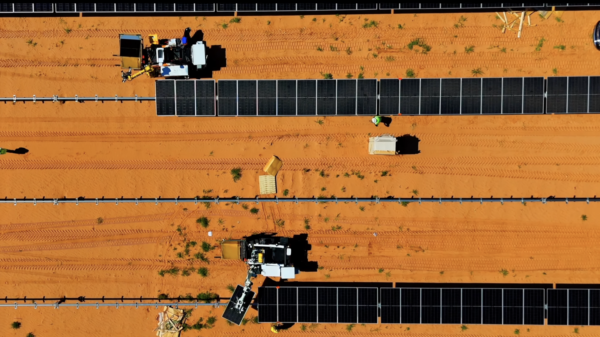
Bedrock Robotics has now put fully autonomous excavators to work on real American job sites. The San Francisco firm has deployed its machines in Texas and Nevada. These include a water treatment project with Sundt Construction, a large earth-moving site with Champion Site Prep, and a major civil works scheme with Zachry Construction involving more than a million cubic yards of material.
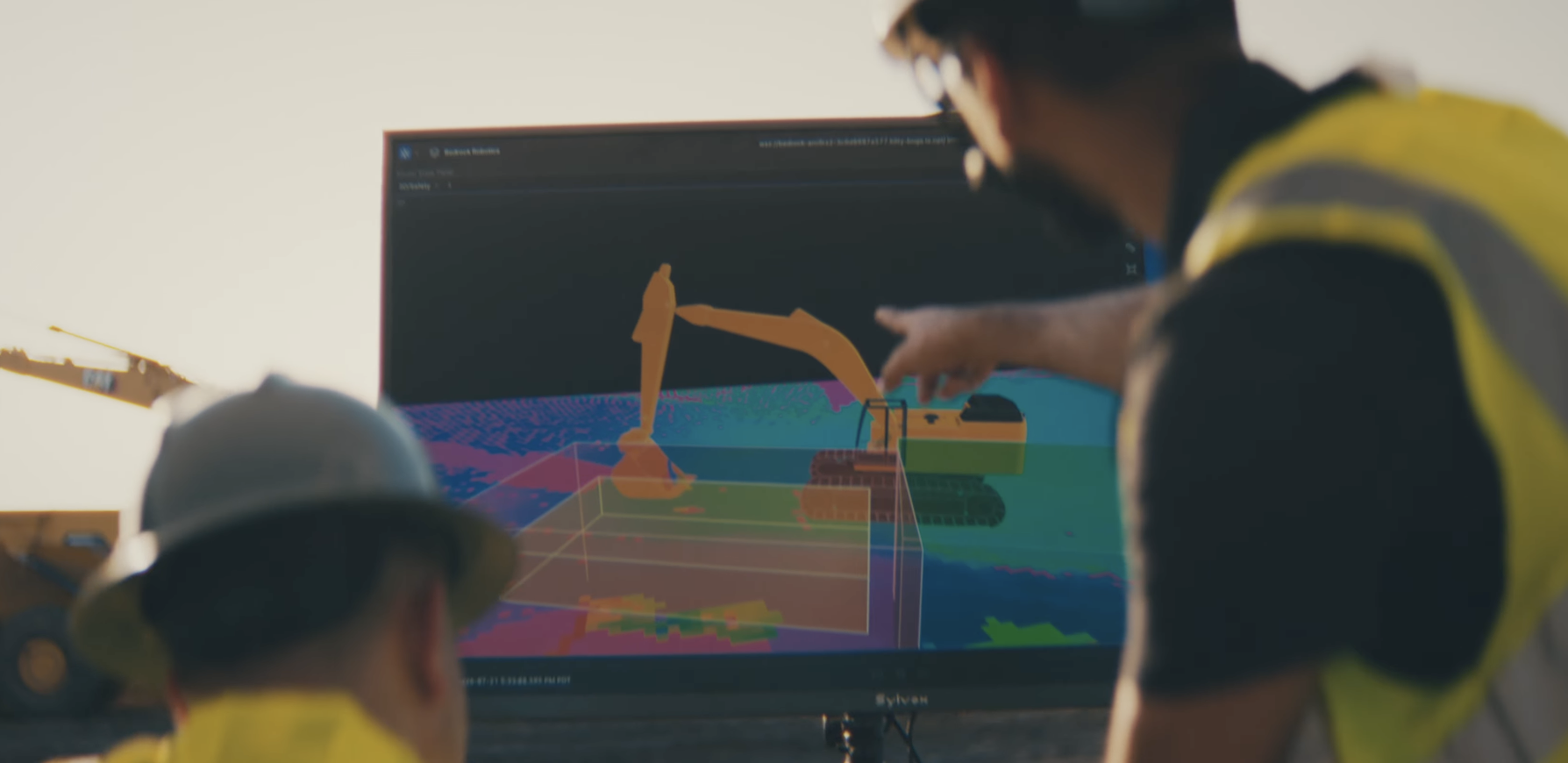
The firm’s system, called the Bedrock Operator, fits onto existing diggers. Workers install sensors and computers in a single day without making lasting changes to machines. Once a site manager sets the plan, the equipment sees its surroundings, decides how to move, and carries out digging and loading on its own. It watches itself for problems and stops if people or objects come too close.
At present the company uses newly fitted machines tested at its base. The system is designed to work with excavators from major makers including Caterpillar Inc (NYSE: CAT) (FRA: CAT1), Deere & Co (NYSE: DE) (FRA: DCO) and Komatsu Ltd (OTCMKTS: KMTUY). The work so far focuses on early site preparation, such as clearing ground and shaping levels for foundations.
“We train it very similar to how you train a large language model,” said Bedrock CTO Kevin Peterson. “We train it on a ton of data, a big repository of know-how about how construction works.”
Bedrock has raised more than 350 million dollars in total funding. A recent US$270 million round valued the company at 1.75 billion dollars. Former staff from the self-driving firm Waymo lead the team.
This step stands out because the machines now operate without anyone in the seat on active commercial projects. Earlier efforts helped pave the way but stayed more limited. Gravis Robotics just raised 200 million dollars to advance its research into autonomous construction equipment, but its work remains focused on further development rather than widespread operator-free use on live sites.
In Japan, firms such as DeepX, Fujita and Sumitomo Corp – ADR (OTCMKTS: SSUMY) have shown diggers that dig and load soil onto trucks in controlled tests and demonstrations, often with supervision still in place and without full commercial rollout across multiple major projects. Built Robotics, another San Fran firm, also pioneered retrofit systems years ago for narrower tasks such as trenching, but these did not extend to broad earthwork without operators on the same scale.
The technology may foster safer sites and faster work amid a shortage of experienced operators. However, it also means the industry must prepare for change. Workers who once spent years mastering diggers may need new skills as machines take on more of the routine heavy lifting. The empty cab is no longer a distant idea on the road, or on construction sites.
NEW STARTUP: Retrofit your construction equipment to make it autonomous!
Bedrock Robotics @BedrockRobotics is a 2024 San Francisco startup, founded by former Waymo engineers (CEO Boris Sofman, ex-head of Waymo's trucking program), that retrofits autonomy onto existing… pic.twitter.com/DSTvhkSUpl
— Léo (@LeoKharon) August 22, 2026
Read more: NevGold extends Nevada antimony-gold mineralization by over 100 metres
Follow Rowan Dunne on LinkedIn
rowan@mugglehead.com