
Serve Robotics Inc (NASDAQ: SERV) learnt with some surprise this week that Uber Technologies Inc (NYSE: UBER) (LON: 0A1U) had sold its entire stake in the company. The robotics firm discovered the full exit only after Uber disclosed it in a regulatory filing covering the second quarter on Aug. 7.
Uber disposed of more than two million shares previously valued at US$17.5 million as of the end of March. The company had already reduced its holding through 2025. This latest disposal came at a loss for Uber, which had watched its Serve investment dwindle in value alongside the robotics firm’s sliding share price and slashed revenue outlook.
The move coincides with clear operational friction too. Delivery volumes through Uber fell in the second quarter for the first time after 17 consecutive quarters of growth, caused by lower-than-expected robot utilisation. Serve chief executive Ali Kashani told investors the partners held differing views on how to scale their shared autonomous fleet, particularly around fleet coordination and dealing with merchants. The shortfall prompted Serve to cut its full-year revenue guidance by more than half. Uber has meanwhile shifted funds towards robo-taxi projects and other autonomous interests.
The two companies share deep roots. Serve began as Postmates X, the robotics division of the delivery start-up Uber acquired for US$2.65 billion in 2020. It spun out as an independent entity in 2021 with Uber retaining an investment. A commercial partnership followed in 2022 and expanded in May 2023 to place up to 2,000 Serve robots on the Uber Eats app across multiple American cities. That agreement runs until early 2027, but Serve has already indicated it sees little prospect of renewal.
“I understand why and I can’t really blame either side,” said Uber’s former autonomous delivery manager Eduardo Rojas. “Both are making rational decisions based on the interests of their respective companies.”
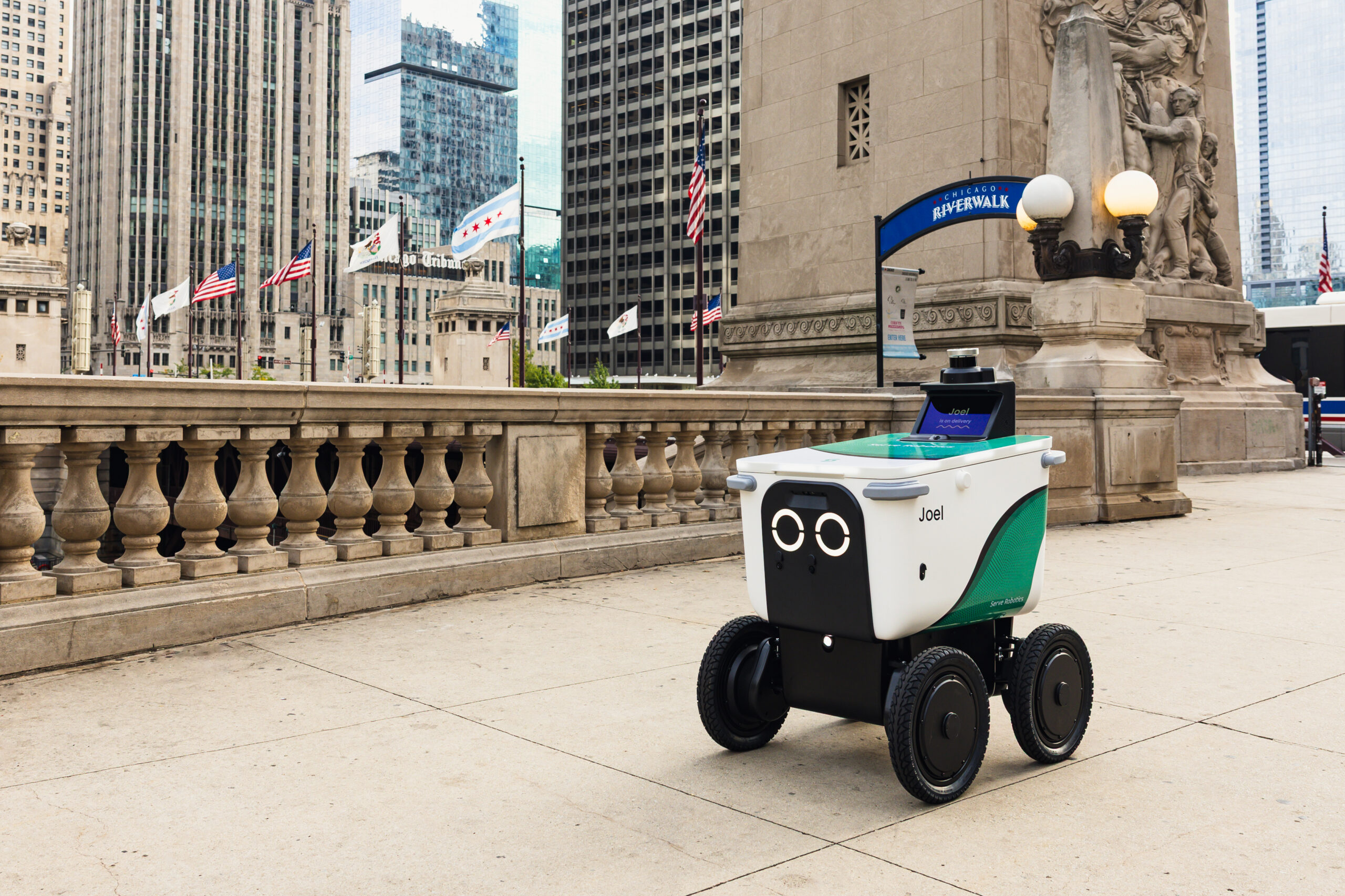
Serve prioritises dense urban food delivery. Its robots operate with Level 4 autonomy, handling almost all navigation and decisions in mapped areas without constant human control. Remote operators can still step in for unusual situations though. The company currently runs a fleet exceeding 2,000 robots, and has begun diversifying into hospital service robotics.
The Uber exit removes one major demand channel for Serve and forces it to lean harder on alternative partners and direct merchant relationships if it wants to close the gap with its leading competitor Starship Technologies.
Read more: Remote-controlled humanoid robots start cleaning homes in San Francisco
Follow Rowan Dunne on LinkedIn
rowan@mugglehead.com