Psychedelic sacraments are finding sanctuary in American spirituality as more states embrace their usage under the banner of religious freedom. In places like Colorado, what once lurked in the shadows of counterculture now steps boldly into strip malls, blending therapy, community and psychoactive compounds in ways that challenge traditional notions of faith and healing.
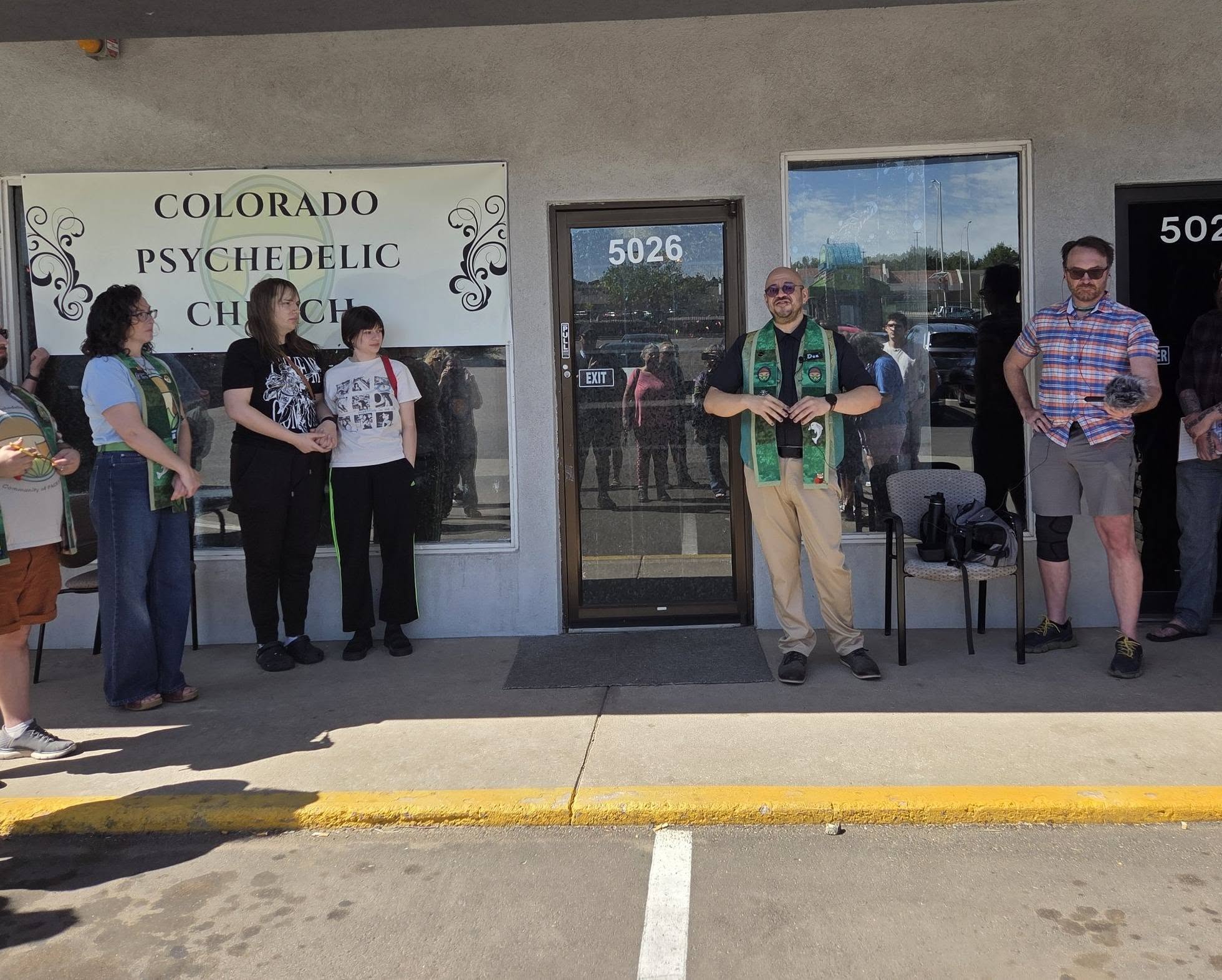
Colorado’s first psychedelic church recently traded its humble basement dwelling for a spacious 3,500-square-foot storefront in a Colorado Springs strip mall. The Community of PACK Life held its grand opening on Jun. 1, marking a visible milestone for an organisation that has grown from around 300 members to roughly 2,500 in just over a year. Finding a landlord that would be accepting of the site’s activities was not an easy task for Founder Benji “Teopixqui” (spiritual name) Dezaval, but his perseverance paid off.
The church traces its roots to early 2024, when Dezaval experienced a profound psilocybin journey that he says transported him to a Mexican forest where ancestors urged him to heal others. Drawing on his background in mental health education, he began hosting gatherings in his home basement, offering “communal gifts” of psilocybin mushrooms or DMT to adults 21 and older.
Guided by what it calls three universal truths — Revere the Self, Embrace the Communal Experience and The Universe Provides — the group says it seeks connection and spiritual growth over mere recreation.
Read more: Heroic psilocybin dose has remarkable impact on Alzheimer’s patient
Church sustains itself with donations
The church functions legally through Colorado’s 2022 decriminalisation of natural medicines via Proposition 122 and subsequent laws. It accepts donations and charges fees that cover clergy time, resources and supplies for ceremonies, while providing sacraments as gifts only without direct sales in adherence to state regulations. Participants must be 21 or older, show ID and be willing to receive guidance. The popular space now draws visitors from across Colorado and beyond.
Several cities and counties in states like Washington, California and Michigan have since followed Colorado’s lead with decriminalisation measures, reflecting broader momentum for regulated personal and spiritual use in the United States.
Since the grand opening, the church continues to host a calendar of colourful activities seven days a week, up from five previously. Thus far, they have included standard sermons, group DMT sessions, lounge nights, special events for queer members, an “EntheoGents” evening about manhood in modern society, and anime-themed gatherings.
Communal ceremonies occur on set Sundays with food, integration support and optional add-ons like sound baths.
“This is more than mushrooms, this is community,” Dezaval said. “Community is one of the first things we can do to resist the hate, to fight back against the malice, to come together with meaningful intention.”
Opponents voice condemnation
Not everyone is supportive of this New Age movement that they view as mere drug use masquerading as spirituality.
Smart Approaches to Marijuana (SAM) and its Executive Vice President Luke Niforatos have strongly criticised the expansion and Dezaval’s ambitions.
In response to this development, Niforatos alleged that psilocybin and DMT act like a “nuclear bomb” on the brain. He questions the religious framing of new groups centred on psychedelic use and is not enthused.
“These drugs are dangerous, they come with a lot of risks,” he said, “and the idea that Colorado would normalise that use and encourage it under the guise of healing, I’m very concerned about.”
Other anti-cannabis commercialisation groups like One Chance to Grow Up, represented by Alton Dillard, also raise concerns about normalising these substances and their potential influence on youth, even if the church restricts access to adults. Similar scepticism appears in Oregon and other decriminalising regions, where critics highlight risks to developing brains, public safety and the lack of long-term data.
Nonetheless, proponents continue to argue that structured, community-supported use delivers profound healing for conditions like treatment-resistant depression, addiction and PTSD. Testimony from veterans, first responders and several others advocates for this viewpoint.
Read more: Colorado’s first psychedelic church opens its doors
Follow Rowan Dunne on LinkedIn
rowan@mugglehead.com