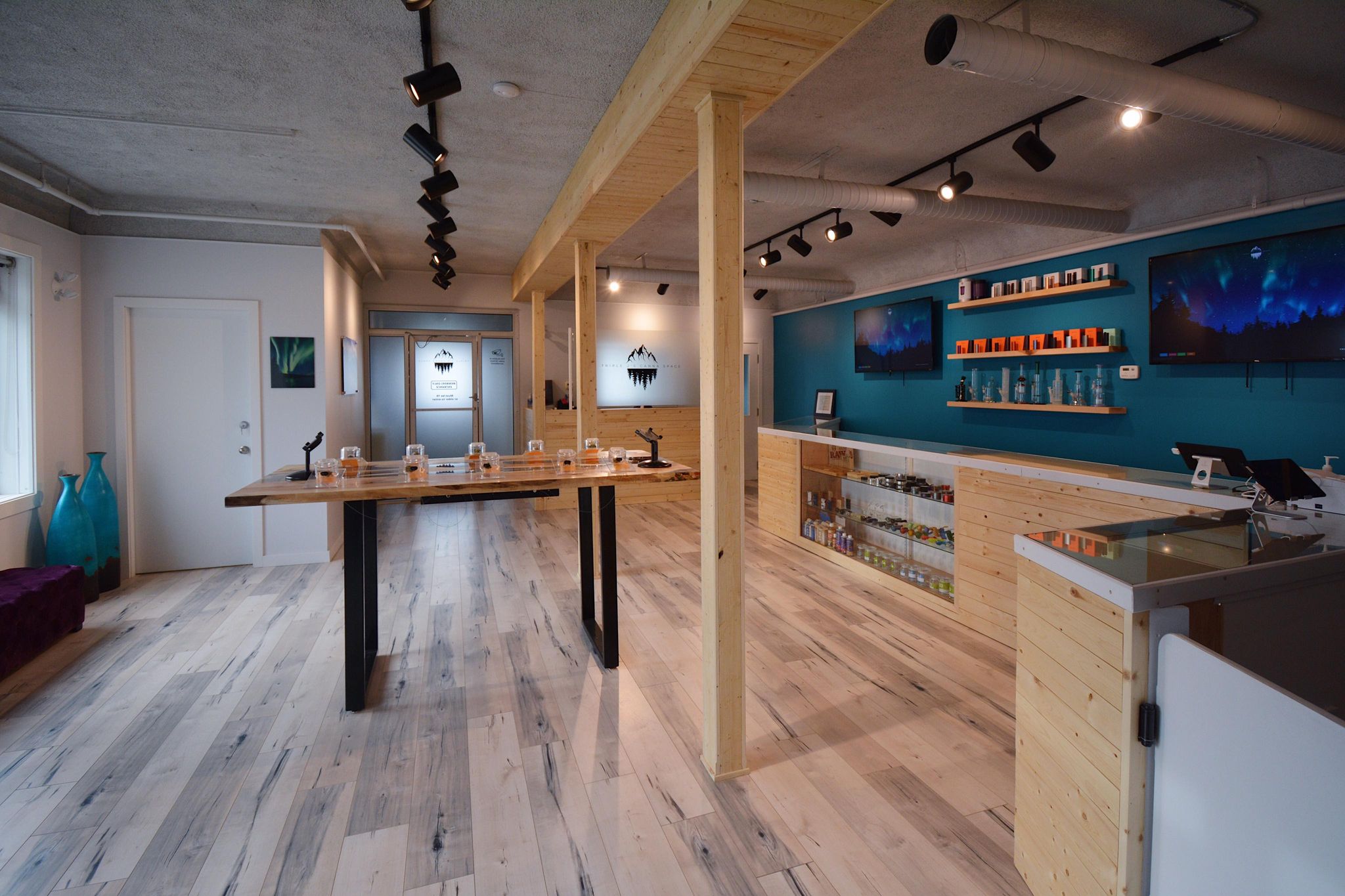

Yukoners now top the charts for cannabis spending per capita across Canada, outpacing every other province and territory by a wide margin.
According to the latest Statistics Canada data, released on Mar. 5, Between April 2024 and March 2025 the average legal-age resident spent C$384 on legal cannabis. This number represents over C$100 more than Alberta, which now sits in second place.
Total sales reached C$14.4 million in the territory last fiscal year, up C$1.4 million from the previous period and representing an 11.1 per cent year-over-year increase. Shoppers snapped up dried flower, extracts and edibles in large volumes.
Nationally, recreational cannabis sales reached C$5.5 billion across Canada (up 6.1 per cent year-over-year), equivalent to about C$167 per person of legal age. These numbers highlight that Yukon’s C$384 per capita spend is more than double the national average and showcase its extreme outlier status.
“I guess it’s maybe a product of long cold winters when people don’t have much else to do,” said local Anthony Price in an interview with CBC this week.
The surge did not happen in isolation. Alcohol sales slid by the exact same C$1.4 million during those twelve months, even while the territory still poured C$42.9 million into booze. Per-person annual alcohol spending remains at a considerable C$1,144, second only to the Northwest Territories. Nonetheless, it marks the steepest decline in the territory’s alcohol sales in two decades.
This coincides with a broader trend where liquor sales have slowly but steadily declined nationwide for four consecutive years. Canadians may be growing tired of hangovers, and in Yukon particularly, considering marijuana to be a preferable substance.
During the 2024 to 2025 fiscal year in discussion, Canadians of legal drinking age purchased the equivalent of eight standard alcoholic beverages per week. They bought 8.7 the prior year and 9.7 a decade ago.
The trend also aligns with a generational shift among young people. StatCan data from 2023 showed that the 18 to 22 age group is least likely to report having had a drink within the past week.
Studies on cannabis use in Canada’s territories, including Yukon, indicate higher prevalence rates than in the provinces. Past-12-month use sits around 41 per cent and many consume daily or weekly.
The territory’s small, dispersed population and limited urban nightlife options may also direct preferences toward home-based weed consumption. While alcohol remains the dominant category by revenue, the parallel movements suggest substitution in local spending patterns.
Read more: Avicanna sponsors University of Calgary’s ‘sensitive dosing window’ medical THC study
Follow Rowan Dunne on LinkedIn
rowan@mugglehead.com