
As 2026 unfolds, the global fight against cancer continues with both urgency and innovation. Despite decades of research and advances in treatment, cancer remains one of the leading causes of death worldwide, claiming millions of lives each year.
Some forms, like lung and pancreatic cancers, remain notoriously lethal due to late detection and aggressive biology. Meanwhile, others, such as melanoma and certain brain cancers, have seen breakthroughs that offer new hope.
The fight is far from over.
Each year brings new strategies, technologies, and therapies aimed at improving survival, reducing side effects, and transforming outcomes for patients. Across the spectrum of oncology, progress is being driven by a combination of established biopharmaceutical companies and nimble startups.
Publicly traded firms bring the scale, regulatory experience, and resources to conduct large clinical trials and bring therapies to market. Startups, in contrast, often push the boundaries of innovation, testing novel ideas like personalized immunotherapies, breath based diagnostics, or artificial intelligence driven drug discovery.
Together, these efforts illustrate a layered approach to cancer care.
Here are a host of companies leading the charge against cancer in 2026.
Lung Cancer
Lung cancer is the deadliest cancer in the United States and globally.
The data hasn’t yet been gathered, but in the U.S., approximately 226,650 new cases are expected in 2025, with around 124,730 deaths. This will continue its reign as the leading cause of cancer related mortality. Worldwide, lung cancer accounts for the highest number of cancer deaths, reflecting the combined impact of tobacco use, air pollution, and the difficulty of diagnosing the disease early, according to the World Health Organization.
Innovation in lung cancer now spans both treatment and early detection. On the treatment side, Iovance Biotherapeutics (NASDAQ: IOVA), best known for melanoma, is advancing clinical trials of its tumor infiltrating lymphocyte (TIL) therapy in advanced non-small cell lung cancer. This personalized immunotherapy harvests a patient’s own immune cells and reinfuses them to attack tumors directly. Unlike conventional treatments, TIL therapy represents an individualized, immune driven approach that has shown promise in otherwise difficult to treat solid tumors.
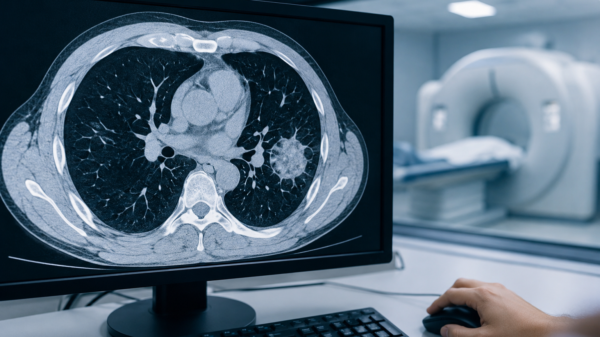
Meanwhile, early detection is seeing breakthroughs with Breath Diagnostics Inc. and its OneBreath technology. This handheld, breath based diagnostic system analyzes volatile organic compounds in exhaled air, which can indicate the presence of lung tumors. If validated in clinical trials, OneBreath could offer a non-invasive alternative to low dose CT scans, the current standard of care. Earlier detection could dramatically improve survival outcomes by identifying cancers before they advance to late stages.
Both strategies reflect how a combination of startups and established biotech firms are pushing the boundaries of science, aiming to reduce mortality in one of the world’s deadliest cancers.
Read more: Breath Diagnostics pioneers novel lung cancer breath test
Read more: Breath Diagnostics takes aim at lung cancer with One Breath
Pancreatic Cancer
Pancreatic cancer is one of the deadliest cancers, with a notoriously poor prognosis.
In the United States, an estimated 67,440 new cases are expected in 2025, accompanied by roughly 51,980 deaths. The five-year survival rate remains extremely low, around 13.3 per cent, making it one of the most lethal common cancers. The high mortality is largely due to late detection and the dense, treatment-resistant nature of pancreatic tumors. It’s these issues that make conventional chemotherapy and radiation less effective.
Efforts to improve outcomes are increasingly focused on both enhancing drug delivery and harnessing the immune system. Lisata Therapeutics (NASDAQ: LSTA) is developing CEND-1, a peptide-based drug designed to improve penetration of therapeutic agents into pancreatic tumors. CEND-1 aims to increase efficacy without necessarily increasing toxicity. This approach represents a strategy of boosting existing treatment effectiveness in a cancer type historically resistant to conventional drugs.
On the startup side, CancerVax, a privately held company, is taking a different tack. Their platform seeks to “re-label” cancer cells so the immune system recognizes them as familiar pathogens. This change would prompt targeted immune attacks on the tumor. This immunotherapy strategy is highly versatile and potentially less toxic than standard chemotherapy. This offers hope for a personalized and adaptive approach to one of the most challenging cancers.
Both strategies are vital in a disease where early detection is rare and conventional treatments often fail.
Lung Cancer
Lung cancer is the deadliest cancer in the United States and globally.
The data hasn’t yet been gathered, but in the U.S., approximately 226,650 new cases are expected in 2025, with around 124,730 deaths. This will continue its reign as the leading cause of cancer related mortality. Worldwide, lung cancer accounts for the highest number of cancer deaths, reflecting the combined impact of tobacco use, air pollution, and the difficulty of diagnosing the disease early, according to the World Health Organization.
Innovation in lung cancer now spans both treatment and early detection. On the treatment side, Iovance Biotherapeutics (NASDAQ: IOVA), best known for melanoma, is advancing clinical trials of its tumor infiltrating lymphocyte (TIL) therapy in advanced non-small cell lung cancer. This personalized immunotherapy harvests a patient’s own immune cells and reinfuses them to attack tumors directly. Unlike conventional treatments, TIL therapy represents an individualized, immune driven approach that has shown promise in otherwise difficult to treat solid tumors.
Meanwhile, early detection is seeing breakthroughs with Breath Diagnostics Inc. and its OneBreath technology. This handheld, breath based diagnostic system analyzes volatile organic compounds in exhaled air, which can indicate the presence of lung tumors. If validated in clinical trials, OneBreath could offer a non-invasive alternative to low dose CT scans, the current standard of care. Earlier detection could dramatically improve survival outcomes by identifying cancers before they advance to late stages.
Both strategies reflect how a combination of startups and established biotech firms are pushing the boundaries of science, aiming to reduce mortality in one of the world’s deadliest cancers.
Read more: Breath Diagnostics pioneers novel lung cancer breath test
Read more: Breath Diagnostics takes aim at lung cancer with One Breath
Pancreatic Cancer
Pancreatic cancer is one of the deadliest cancers, with a notoriously poor prognosis.
In the United States, an estimated 67,440 new cases are expected in 2025, accompanied by roughly 51,980 deaths. The five year survival rate remains extremely low, around 13.3 per cent, making it one of the most lethal common cancers. The high mortality is largely due to late detection and the dense, treatment resistant nature of pancreatic tumors. It’s these issues that make conventional chemotherapy and radiation less effective.
Efforts to improve outcomes are increasingly focused on both enhancing drug delivery and harnessing the immune system. Lisata Therapeutics (NASDAQ: LSTA) is developing CEND-1, a peptide based drug designed to improve penetration of therapeutic agents into pancreatic tumors. CEND-1 aims to increase efficacy without necessarily increasing toxicity.
This approach represents a strategy of boosting existing treatment effectiveness in a cancer type historically resistant to conventional drugs.
On the startup side, CancerVax, a privatel
held company, is taking a different tack. Their platform seeks to alter cancer cells so the immune system recognizes them as familiar pathogens. This change would prompt targeted immune attacks on the tumor. This immunotherapy strategy is highly versatile and potentially less toxic than standard chemotherapy. This offers hope for a personalized and adaptive approach to one of the most challenging cancers.
Both strategies are vital in a disease where early detection is rare and conventional treatments often fail.
Melanoma (Skin Cancer)
While most skin cancers are treatable when caught early, melanoma remains the deadliest form. In the United States, an estimated 109,720 new cases of melanoma are expected in 2025, with roughly 7,830 deaths projected, according to the American Cancer Society. Globally, melanoma accounts for a significant fraction of skin cancer deaths. Furthermore, incidence rates continue to rise due to factors such as ultraviolet exposure and lifestyle changes. Early detection dramatically improves outcomes, but once melanoma advances, survival rates drop sharply.
Innovation in treatment has been dramatic over the past decade, particularly in immunotherapy.
Agenus Inc (NASDAQ: AGEN) is developing next generation checkpoint modulator therapies that may show promise in metastatic melanoma. Its asset, botensilimab, is an Fc enhanced anti-CTLA 4 antibody designed to stimulate both innate and adaptive anti tumor immune responses. This includes including priming and expanding T cells, reducing regulatory T cells within tumors. This could and potentially establish long term immune memory.
On the startup side, BioNTech, initially known for its COVID-19 mRNA vaccine, has rapidly expanded into oncology. Its pipeline includes mRNA based immunotherapies targeting melanoma. In addition, these aim to train the patient’s immune system to recognize and attack tumor cells more efficiently.
BioNTech seeks to create personalized vaccines that can be adjusted to each patient’s tumor profile. This could potentially offering a less invasive and highly targeted treatment option.
Read more: Breath Diagnostics gives the public the chance to join the fight against cancer
Read more: Breath Diagnostics onboards new president and closes critical financing
Glioblastoma (Brain Cancer)
Glioblastoma is one of the most aggressive and lethal forms of brain cancer. In the United States, roughly 13,000 new cases are diagnosed each year, and median survival remains less than 15 months, even with aggressive treatment, according to the American Cancer Society. Worldwide, brain cancers are particularly challenging due to their location, the blood-brain barrier, and resistance to conventional therapies. Surgery, radiation, and chemotherapy often provide only limited benefits, making innovative treatment approaches critical.
On the therapeutic side, Plus Therapeutics (NASDAQ: PSTV) is developing targeted radiopharmaceuticals to treat glioblastoma. Its candidate, REYOBIQ, is designed to deliver radiation directly to tumor cells while minimizing exposure to surrounding healthy brain tissue. Plus Therapeutics’ approach represents a new option beyond standard chemotherapy and radiation.
Among startups, Modifi Biosciences is testing novel immunotherapy and gene-modification strategies for high-grade gliomas. Modifi aims to overcome the biological barriers by harnessing the immune system or reprogramming tumor-targeting mechanisms. These mechanisms have historically made glioblastoma nearly untreatable. Early-stage clinical results have shown potential for extending survival in some patients, showing the promise of innovative, highly targeted therapies.
Glioblastoma exemplifies the challenges of oncology at the frontier. Tumors are fast-growing, resistant, and located in sensitive areas of the body. Companies like Plus Therapeutics and Modifi Biosciences demonstrate two strategic paths forward, including precision radiopharma and immune/gene-modified therapies.
Broad Spectrum / Pan Cancer Approaches
Beyond individual cancer types, researchers and companies are increasingly pursuing strategies that can target multiple cancers simultaneously. These approaches aim to detect tumors earlier, treat them more precisely, or develop platforms the find different cancer types. Early detection, in particular, has the potential to significantly reduce mortality by identifying tumors before they advance.
Grail Inc (NASDAQ: GRAL) is pioneering multiple cancer early detection tests using circulating tumor DNA (ctDNA) from blood samples. Its assays can screen for dozens of cancers simultaneously, offering a non-invasive way to catch tumors at earlier, more treatable stages. According to the American Cancer Society, early detection is critical, and cancers diagnosed before spreading have far higher survival rates.
Furthermore, startups such as Lantern Pharma are using artificial intelligence and machine learning to develop precision oncology drugs. By analyzing genetic and molecular profiles, Lantern’s platform identifies compounds most likely to succeed against specific tumor signatures, accelerating drug discovery and potentially increasing effectiveness across a spectrum of cancers.
These broad spectrum strategies show two innovations in modern oncology: detecting cancers early through high sensitivity, non-invasive diagnostics, and tailoring treatments to the tumor’s molecular profile rather than its tissue of origin. They also illustrate the dynamic interplay between large, resource rich companies and agile startups, each contributing unique capabilities.
Broad spectrum approaches have the potential to shift cancer care from reactive to proactive. This could ultimately improving survival and reducing the burden of disease across multiple cancer types.
.
joseph@mugglehead.com