USA Rare Earth gets US$1.6B funding boost after major magnet plant reveal
Dilution concerns persist despite enthusiasm
 Rowan Dunne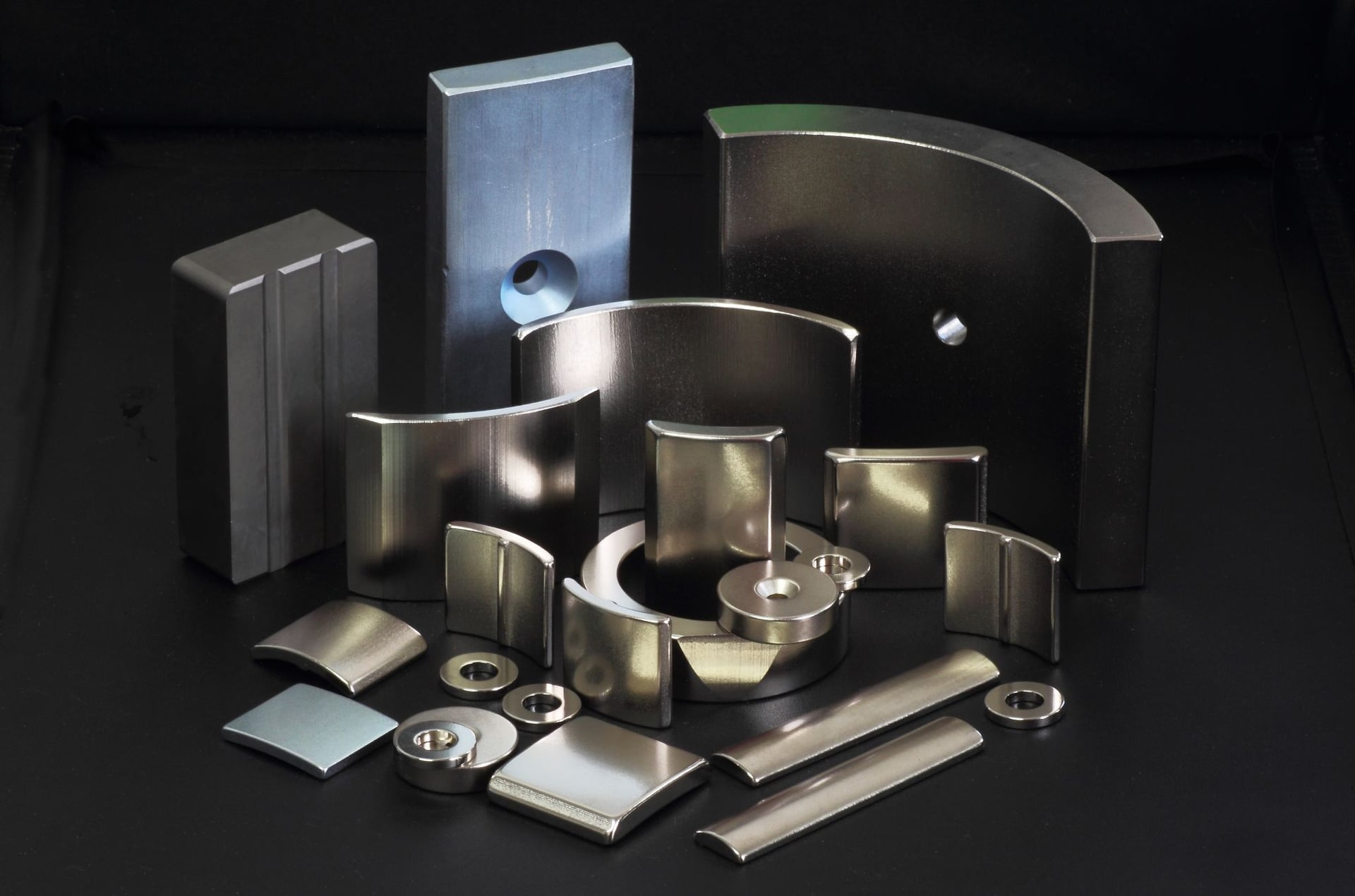
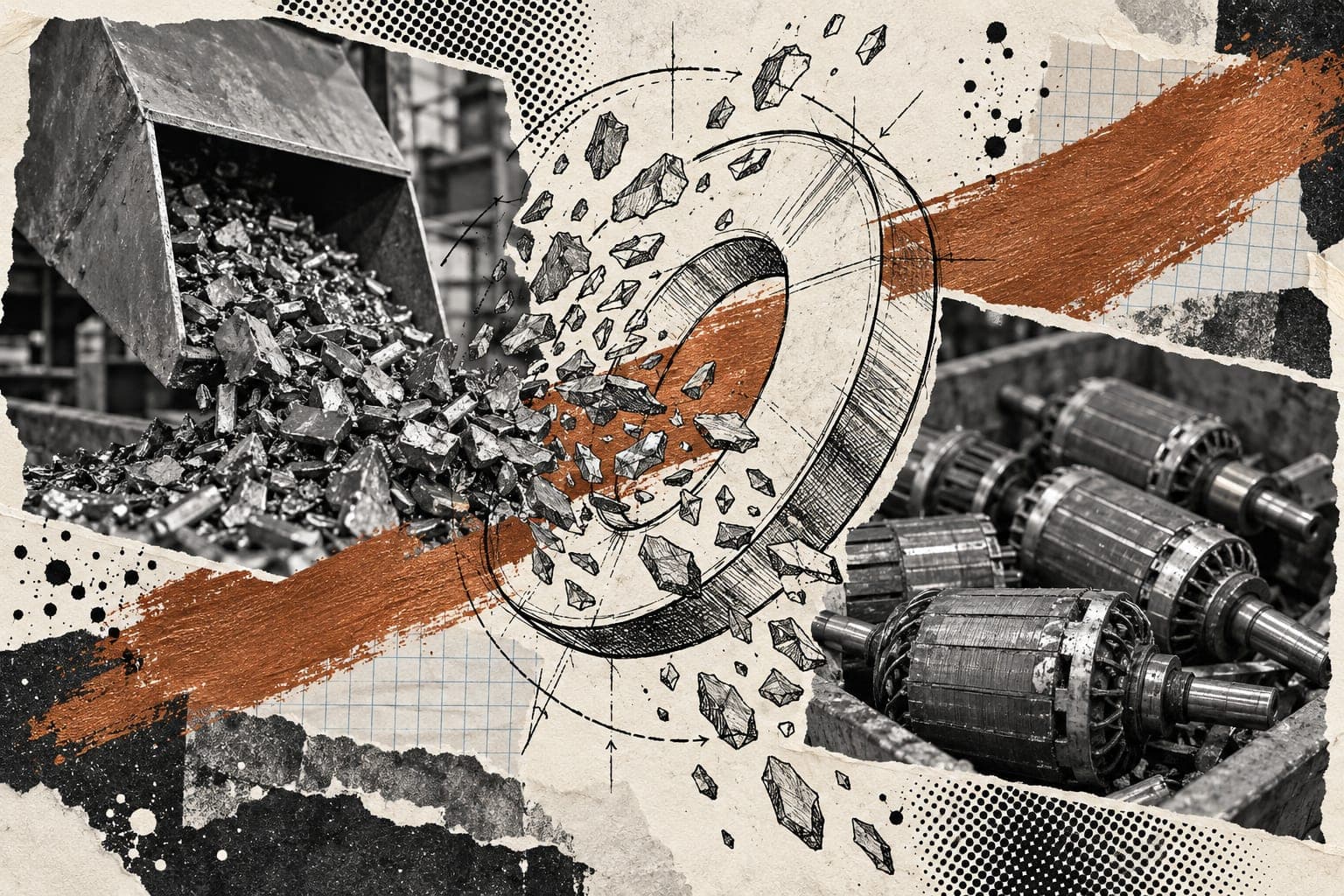
American investors are pouring money into rare earth magnets at a blistering pace as the United States races to break free from its heavy dependence on China for these vital components. Permanent magnets power everything from electric vehicle motors and wind turbines to fighter jets, missiles and the semiconductors driving AI and data centres.
With supply chain risks rising and national security on the line, domestic production has become a top priority. USA Rare Earth Inc NASDAQUSAR is stepping up in a big way. The company is investing US$1.2 billion to build a new rare earth metal and magnet manufacturing facility in Cherokee County, South Carolina.
Located in Blacksburg’s Bailey Industrial Park, the plant targets production of 6,400 metric tons per year of neodymium-iron-boron (NdFeB) magnets and 5,000 tons of strip-cast metals and alloys once fully operational. Site work will be starting soon with commissioning eyed for 2028.
This move, announced on Jun. 2, complements USA Rare Earth’s existing magnet plant in Oklahoma. Together, the two U.S. sites aim for a combined domestic capacity of 10,000 tons per year each of magnets and heavy rare earth metals and alloys. The South Carolina facility will handle processes including electrolysis, heat treatment, jet milling, machining and coating, supplying critical sectors like defence, aerospace, semiconductors, medical devices and AI.
Just days after the South Carolina announcement, USA Rare Earth finalised definitive agreements with the U.S. Department of Commerce. These unlock up to US$1.6 billion in CHIPS Act support. This includes up to US$277 million in grants and US$1.3 billion in loans tied to project milestones. In return, the government receives 16.1 million shares and about 17.6 million warrants.
These developments tie neatly into a mutual sales and distribution agreement with Arnold Magnetic Technologies initiated in March. The non-exclusive partnership allows each company to sell and distribute the other’s products, broadening access to high-performance NdFeB and samarium-cobalt magnets for U.S. customers.
Combined with a US$1.5 billion private investment in January and prior raises, USA Rare Earth now has roughly US$3.5 billion in committed capital.
Read more: NevGold Corp. reports antimony grades up to 53.7 per cent at Nevada project
Dilution anxiety weighs on investors
Despite the exciting progress, USA Rare Earth’s stock has faced pressure recently. Many investors worry about share dilution.
Simply put, when a company issues new shares, it spreads the ownership pie among more people. Existing shareholders own a smaller slice, which can push the share price down if the market sees too many new shares coming.
The government funding deal adds new shares and warrants. On top of that, a recent SEC filing covers resale of around 93.8 million shares (roughly 35 per cent of fully diluted stock) by early investors and private investment in public equity (PIPE) participants who bought at lower prices. This creates concern about a potential flood of selling.
Broader sector weakness and market conditions have added to the slide, even as the company’s long-term fundamentals look strong. Many other rare earth and mining stocks have also dropped lately due to softer global prices and general market uncertainty. MP Materials Corp NYSEMP FRA55H0 and Critical Metals Corp (NASDAQ: CRML) (FRA: 9O2) are a couple of others that have seen considerable declines.
Read more: NevGold launches 20,000-metre drill campaign at Nevada antimony-gold project
Follow Rowan Dunne on LinkedIn
rowan@mugglehead.com