Texas appoints crypto experts to guide strategic Bitcoin reserve
The legislature assigned the comptroller's office responsibility for administering the reserve
 Joseph Morton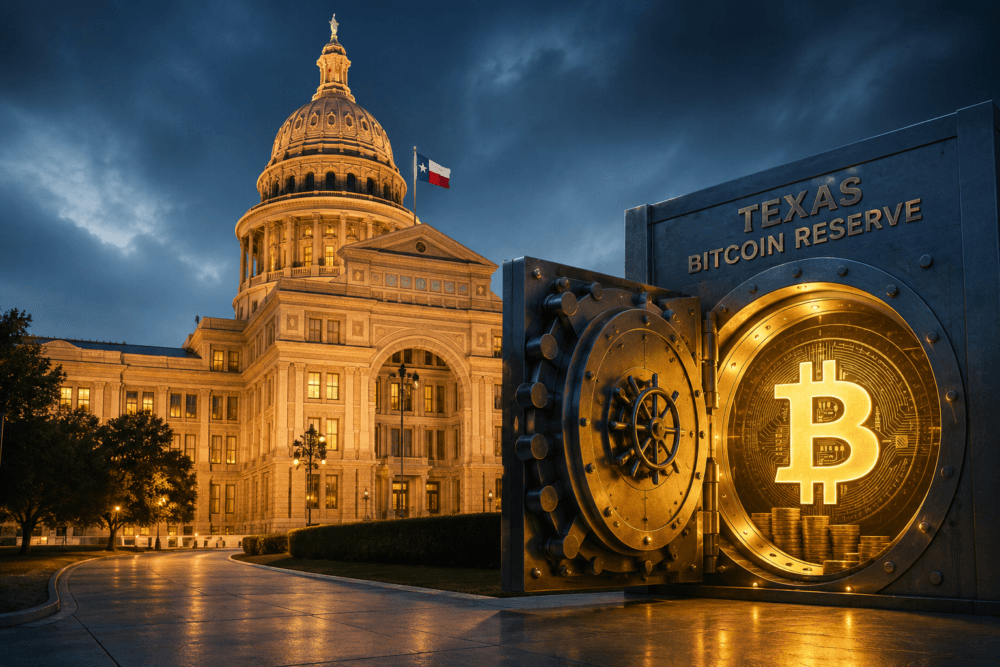
Texas moved closer to launching one of the first state-run bitcoin reserves in the United States after Acting Comptroller Kelly Hancock appointed four outside experts to advise the program’s development.
Announced on Thursday, the appointments mark another step in implementing Senate Bill 21. This created the Texas Strategic Bitcoin Reserve. The five-member advisory committee, including Hancock, will provide guidance on bitcoin valuation, custody, risk management and reserve operations.
Hancock said the legislature assigned the comptroller’s office responsibility for administering the reserve. Additionally, he said the state must manage the fund with transparency, security and strong financial controls. He said the committee can help Texas carry out that mandate responsibly. He added that members will work in taxpayers’ interests.
The appointees include Gary Vecchiarelli, president and chief financial officer of CleanSpark Inc (NASDAQ: CLSK). They also include Cormint Data Systems founder Jamie McAvity, law professor Carla Reyes and investment executive Laurie Dotter.
McAvity leads Texas-based bitcoin miner Cormint Data Systems. The company operates a 130-megawatt mining facility in Fort Stockton.
Vecchiarelli helped develop CleanSpark’s digital asset management operations. Furthermore, his work included creating a trading desk, bitcoin lending and yield strategies, borrowing facilities and governance policies for digital asset transactions.
Reyes specializes in digital asset and commercial law. She also serves on the Commodity Futures Trading Commission’s Innovation Advisory Committee, which includes prominent cryptocurrency industry participants.
Meanwhile, Dotter chairs the Investment Advisory Board for the Employees’ Retirement System of Texas. She also serves on the Comptroller’s primary Investment Advisory Board.
Read more: Bit Digital expands Ethereum treasury while funding AI infrastructure growth
Read more: Tether launches Georgian lari stablecoin as global digital payments market expands
State created a standalone reserve fund
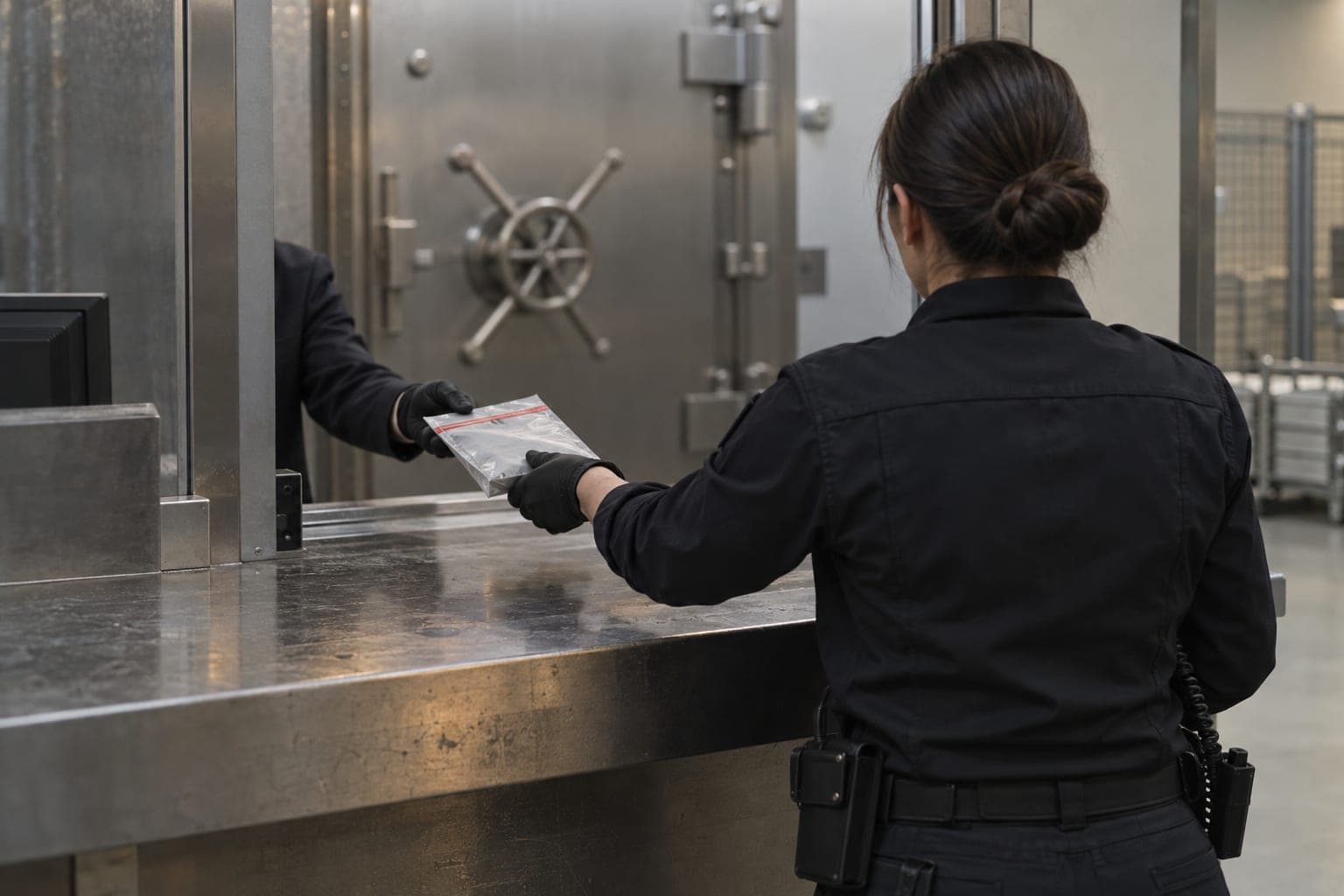
Alongside the appointments, the Comptroller’s office recently issued a Request for Proposals seeking a service provider to acquire, hold, manage and report the state’s bitcoin holdings.
Texas became the third state to establish a strategic bitcoin reserve when Governor Greg Abbott signed Senate Bill 21 into law in June. Arizona and New Hampshire previously approved similar legislation.
However, Texas adopted a different structure. The state created a standalone reserve fund managed directly by the comptroller rather than integrating bitcoin holdings into existing government accounts.
The state initially funded the reserve with a USD$10 million position in BlackRock Inc. (NYSE: BLK)’s iShares Bitcoin Trust ETF. According to the state’s Request for Proposals, officials view the ETF position as a temporary measure before transitioning to direct bitcoin custody.
It remains unclear which entity currently controls those ETF shares. Additionally, the holdings do not appear in any Texas Treasury Safekeeping Trust Company 13-F filings from the past year.
The Comptroller’s office has not publicly clarified the matter.
Meanwhile, bitcoin reserve initiatives continue gaining traction beyond Texas. Federal lawmakers recently introduced the American Reserve Modernization Act, which would establish a national Strategic Bitcoin Reserve, require public proof-of-reserve reporting and mandate that government-held bitcoin remain in the reserve for at least 20 years.
Meanwhile, Texas is not alone in exploring state-held bitcoin reserves. Arizona and New Hampshire have already approved similar measures, while lawmakers in dozens of other states have introduced bitcoin reserve legislation over the past two years. However, several proposals have stalled or failed amid concerns about volatility, custody risks and the role of digital assets in public finance.
Read more: TeraWulf stock jumps after Kentucky AI data campus acquisition
Read more: U.S. lawmakers clash over stablecoins, CBDCs and ethics in crypto bill fight
The debate about digital assets continues
New Hampshire became the first state to authorize direct bitcoin investments for public funds after Governor Kelly Ayotte signed legislation allowing the state treasurer to allocate a limited portion of state assets to large digital assets, a category currently occupied only by bitcoin.
Arizona has taken a narrower approach.
Although Governor Katie Hobbs vetoed a proposal that would have invested public funds directly into bitcoin, she later approved legislation creating a reserve fund for certain state-controlled digital assets. These include cryptocurrencies obtained through seizures and unclaimed property.
However, several states have moved in the opposite direction.
Montana lawmakers rejected a bitcoin reserve proposal earlier this year after critics argued that cryptocurrency volatility made it an unsuitable use of taxpayer money. Wyoming also declined to advance a reserve bill.
Opponents questioned whether state funds should be exposed to an asset that can experience large price swings over short periods. Consequently, the debate has shifted from whether states should engage with digital assets at all to how much financial risk governments should accept when doing so. Some lawmakers view bitcoin as a potential long-term store of value. Meanwhile other lawmakers continue to see it as too speculative for public reserve management.
.