Tesla Roadster pairs suction with thrusters as Porsche unveils Mission S
Three configurations include a single-seat Rocket version, while Porsche's vision model previews a permanent platform above the 911.
 Julian Okafor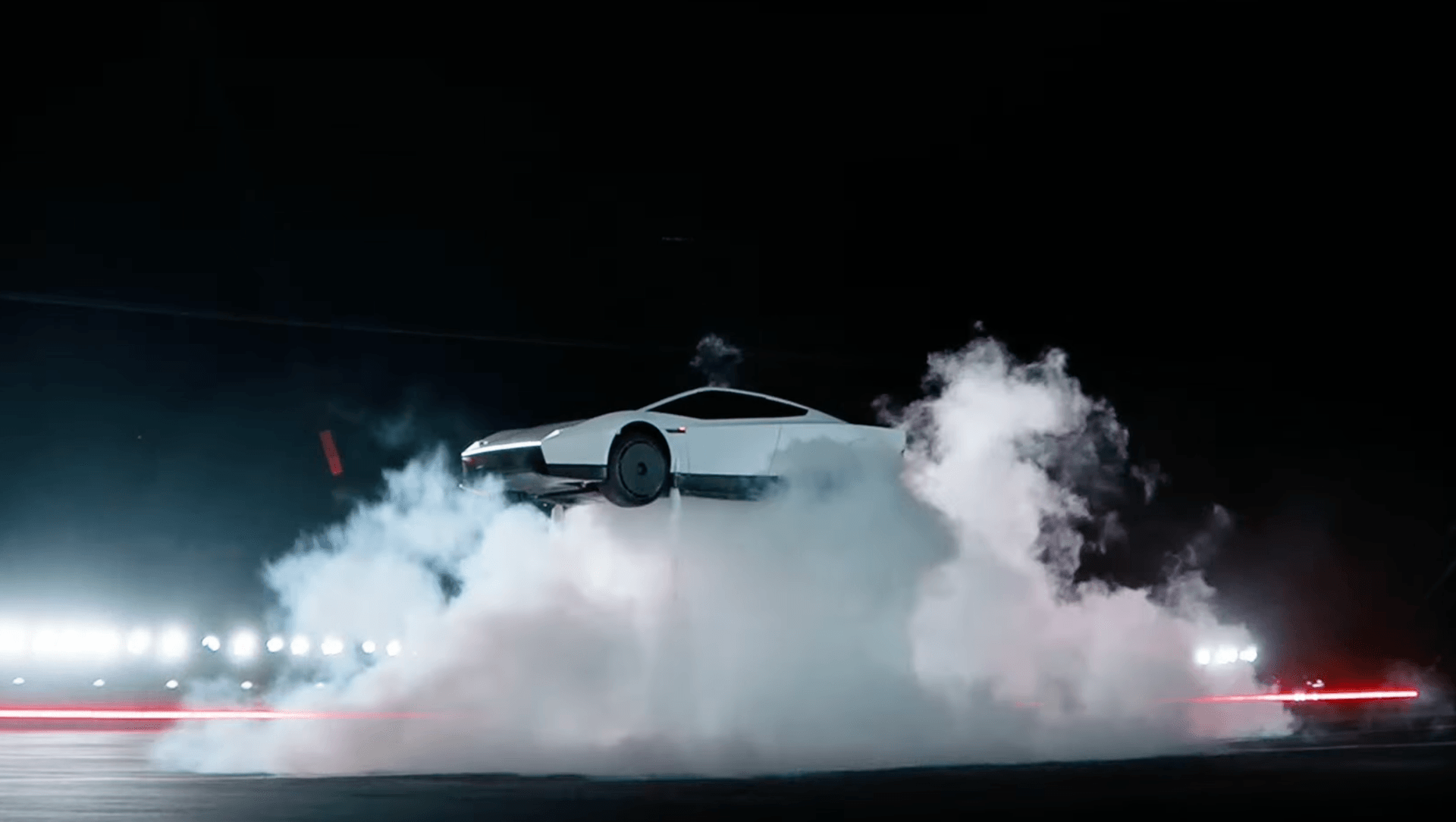
Tesla Inc. NASDAQTSLA unveiled a Roadster on Oct. 15 designed to use suction for grip and cold-gas thrusters to accelerate, lift and rotate the car. The electric-vehicle maker claims its single-seat Rocket version can reach 60 mph in less than 0.59 seconds.
Dr. Ing. h.c. F. Porsche AG ETRP911, the Stuttgart sports-car manufacturer, unveiled its Mission S vision model that day on a pier in Queens, New York. It previews a permanent mid-engined platform above the 911, rather than a production car being delivered to customers.
Tesla shares traded at US$360.06 on Nasdaq at 11:06 a.m. EDT on Oct. 16 NASDAQTSLA. Porsche preference shares traded at €42.16 on Xetra at 5:35 p.m. CEST on Friday ETRP911.
Three Versions Separate Grip From Lift
The two-seat Performance version targets acceleration from rest to 60 mph in less than 1.6 seconds. Thrust, also a two-seater, targets less than 0.9 seconds. Tesla's configuration post presents these as manufacturer figures, without independent timing evidence.
Performance combines active aerodynamics with multi-mode suction; Thrust adds rear-mounted cold-gas thrusters. Rocket instead has perimeter-mounted thrusters, which Tesla says support forward and upward acceleration and lateral rotational movement. Tesla also lists range above 300 miles and a Rocket top speed above 230 mph.
"Multi-mode suction system plus perimeter-mounted cold-gas thrusters supporting forward & upward acceleration plus lateral rotational movement. So...yes, it can fly," Tesla wrote in its Oct. 15 configuration post.
Chief executive Elon Musk repeated the flight claim in an Oct. 15 post. Neither that post nor Tesla's configuration summary specifies airborne height, duration or control limits.


Turns out the future does have flying cars
Suction increases tyre loading and can improve cornering grip. Lateral acceleration measures changes of direction, rather than the forward acceleration of a standing-start sprint.
Thrusters expel gas to generate force without transmitting motor torque through the tyres. Force applied away from the centre of mass can also rotate the car, the additional capability Tesla describes.
Tesla's configuration post provides no maximum cornering g-force or sustained sideways-thrust rating. The Rocket's sprint target cannot establish either: suction supplies road-holding load, while upward thrust supplies lift.
McMurtry And Tesla Take Different Approaches To Suction
Privately held McMurtry Automotive's Spéirling Pure uses fans to reduce pressure beneath the car. Its specifications, checked Oct. 16, list up to 2,000 kilograms of downforce from standstill and fans running at 23,000 revolutions per minute.
McMurtry's published downforce-system application describes an airflow restrictor and a rim at the ground interface. That sealing approach limits air entering the low-pressure region beneath the car.
In his September 2024 test, Top Gear's Ollie Marriage reported a ground-contact skirt beneath the driver and two fans behind the cockpit. He reported that McMurtry had already received 16 patents; that historical count does not establish the size or scope of its portfolio in 2026.
Tesla's U.S. Patent 12,746,987 B1, granted Sept. 29, describes electric ducted fans drawing air from an underbody inlet and exhausting it through the rear. Its description includes axial fans packaged into a diffuser and an embodiment operating without a road-contact skirt.
The document also describes side inlets intended to reduce backwash, preventing the main inlet from wasting suction on air drawn from behind the vehicle. Fan operation can respond to detected conditions or driver input. Those are disclosed design options, rather than confirmation of the Roadster's production layout.
The distinction is between McMurtry's ground-contact sealing arrangement and Tesla's provision for suction without that contact. The patent alone cannot establish which produces more downforce, or whether Tesla's eventual road car will use skirts.
Fan-assisted grip predates both designs: Top Gear's account identifies the earlier Brabham BT46B. Patent protection depends on the specific granted claims; sharing the suction principle does not establish identical patent coverage or infringement. McMurtry's cited application is not itself proof of a grant.
Top Gear's video explains the Spéirling's downforce from 1:30. Its Porsche GT3 RS comparison starts at 8:55 and supplies no Mission S or Roadster lap-time result.
Powered fans consume energy, while ground clearance and surface irregularities affect the underbody seal. McMurtry's figures cannot establish Tesla's downforce, energy consumption or tolerance of uneven roads.
Mission S Puts The Driver And Physical Controls First
While Tesla pushes sports-car technology toward suction-assisted grip and airborne movement, Porsche's Mission S speaks to enthusiasts who want driving to remain a tactile experience. Its physical gear lever, analogue instrument needle and reduced screen area put that priority into the design.
Porsche's Mission S previews a permanent mid-engined sports-car platform above the 911 under its Sportwagenschmiede '35 strategy. In its Oct. 15 announcement, Porsche says the vision model's design direction will extend into its future product range.
Porsche's beauty draws on specific predecessors: round headlights and torpedo-shaped fenders recall the 911, while the low nose takes its cue from the GT1. The roofline runs beneath the rear wing, echoing the 959. A continuous line connects the front and rear light signatures.
The central engine placement shapes those proportions, while an integrated active rear wing combines aerodynamic function with the bodywork. Lightweight wheels reinterpret the 928's dial design. Porsche describes the visible rear fan as a cooling feature inspired by the 917; it is not presented as a suction-downforce system.
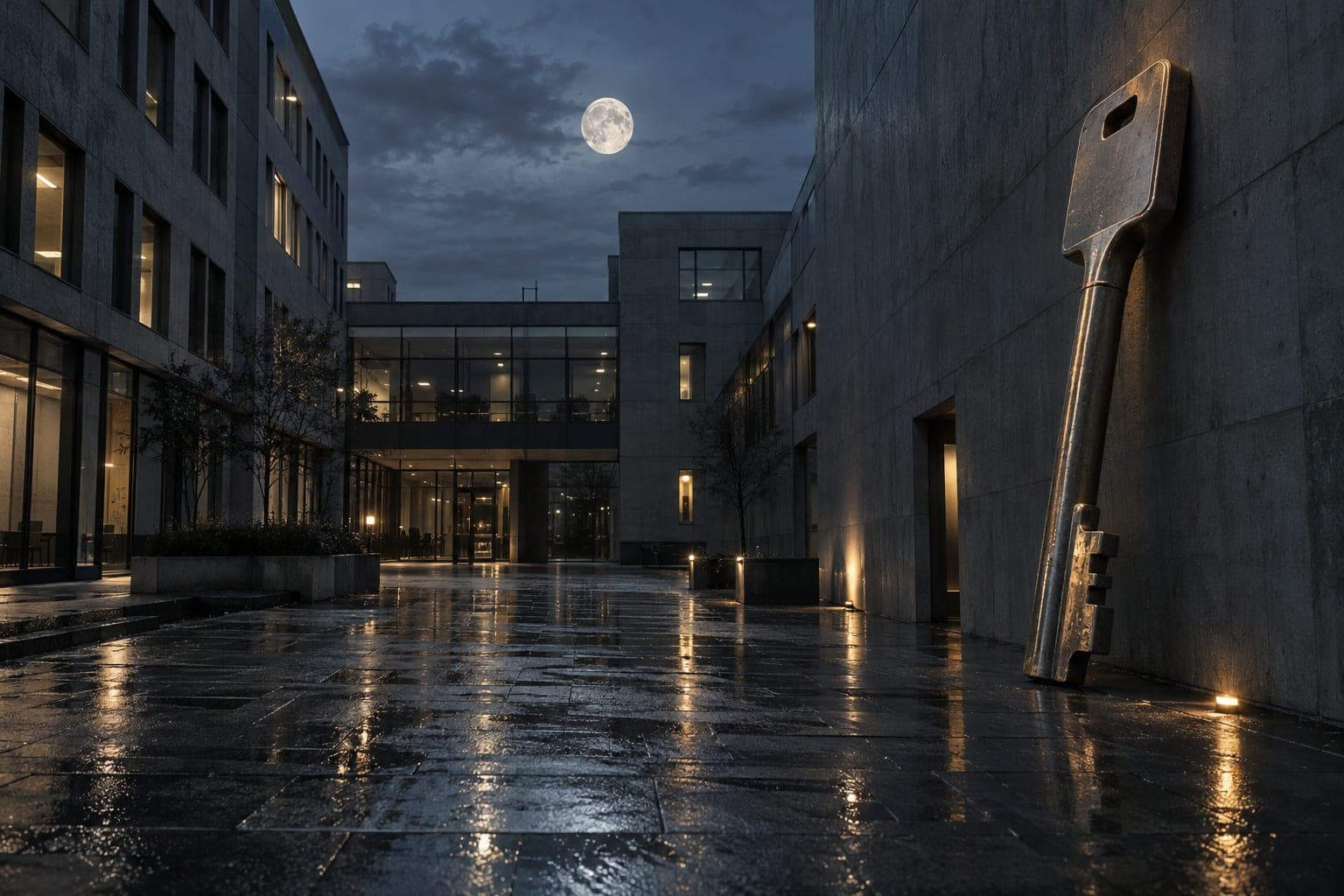
The cabin develops that emphasis on driver involvement with a height-adjustable gear lever, an aluminium key and sports seats derived from motorsport. Porsche combines a central digital rev counter with an analogue needle, retaining a familiar instrument while reducing the area devoted to screens.
Tobias Sühlmann, Porsche's vice-president of design, explains those features in the company's Oct. 16 walkaround below. For shareholders, the proposed platform would broaden Porsche's offering above the 911; Mission S remains a vision model rather than a car already being delivered.
The investment thread extends to the vehicle hardware funded in Mugglehead's Oct. 16 automotive-chip financing report.
Read more: Li Auto signs RMB1.625B equity financing for chip subsidiary
For Rocket, the next test is controlled operation with disclosed height, duration and permissions. Tesla's Oct. 15 configuration post supplies no date for that evidence or first customer deliveries.