PathAI, A.C.Camargo partner to expand AI‑powered cancer diagnostics across Brazil
That program aims to expand access to specialized care while improving diagnostic capacity in underserved regions
 Joseph Morton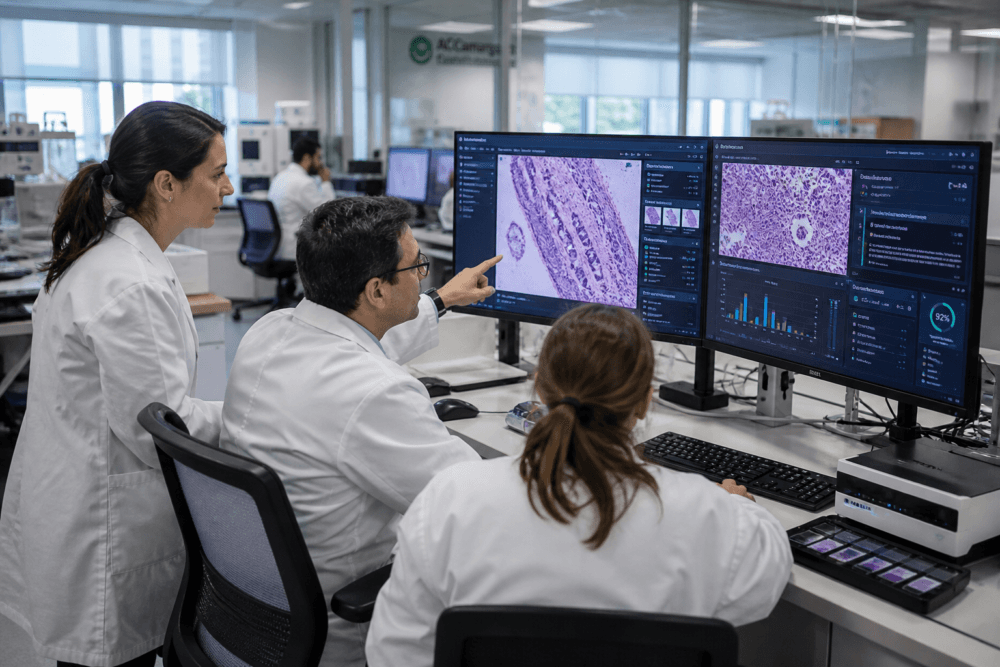
PathAI and A.C.Camargo Cancer Center have launched a strategic collaboration to expand digital and AI-enabled pathology across Brazil, targeting faster and more accessible cancer diagnostics nationwide. The effort aligns with federal initiatives to modernize the country’s healthcare system.
Announced on Tuesday, the partnership supports Brazil’s push to digitize pathology workflows and reduce regional gaps in cancer care. Additionally, it strengthens PathAI’s footprint in Latin America as demand for AI-driven diagnostics grows.
A.C.Camargo Cancer Center plays a central role in national oncology programs and public health partnerships. In particular, it contributes to initiatives tied to Brazil’s Ministry of Health, including PROADI-SUS. Furthermore, the institution leads the Super Cancer Diagnostic Center under the Agora Tem Especialistas program.
“This partnership with A.C.Camargo represents a significant milestone in our commitment to Brazil and the broader South American region,” said Nick Brown, Chief Growth Officer of PathAI.
“By supporting a nationally significant cancer center and government-aligned initiatives, we’re helping build a scalable, sustainable digital pathology ecosystem that benefits patients, pathology laboratories, academic medical centers, and healthcare authorities alike.”
That program aims to expand access to specialized care while improving diagnostic capacity in underserved regions. Consequently, the government is building an integrated diagnostic network using telemedicine and digital pathology tools.
The network will connect regional laboratories through shared digital infrastructure. Meanwhile, clinicians will gain the ability to store, review, and exchange biopsy samples remotely. This setup improves turnaround times and reduces reliance on local specialists.
AISight will serve as the primary platform under evaluation within this system. Additionally, it supports high-volume case review, quality control, and AI-assisted analysis across distributed teams.
Read more: Breath Diagnostics advances pre-op pneumonia screening with FDA breakthrough designation
Read more: Prestigious medtech intelligence firm recognizes Breath Diagnostics for innovation
The shift to digital slides expands access to expert analysis
The deployment includes multiple AI applications designed to streamline workflows. In addition, these tools aim to improve consistency in pathology reporting across different regions.
The model combines local digitization with centralized expert review. Consequently, it addresses workforce shortages while maintaining diagnostic accuracy. It also enables specialists to review cases regardless of physical location.
Louise De Brot, head of anatomical pathology and genomics at A.C.Camargo, said the shift to digital slides expands access to expert analysis. She explained that specialists can review biopsy images remotely, which helps regions with limited resources. Furthermore, she noted that the approach supports more equitable cancer diagnosis nationwide.
The initiative also aligns with broader public health priorities in Brazil. Additionally, it creates a scalable framework for future clinical and research applications. The system is designed to handle growing diagnostic demand while maintaining efficiency.
Brazil’s healthcare system continues to face regional disparities in specialist availability. However, digital pathology offers a pathway to bridge those gaps through technology.
The expansion of AI-enabled pathology reflects a broader shift across the diagnostics sector toward faster, data-driven decision making.
Additionally, healthcare providers and technology firms continue to invest in tools that improve early detection and streamline clinical workflows. Meanwhile, companies such as Breath Diagnostics are developing AI-supported screening technologies, extending these capabilities beyond traditional laboratory settings.
Its OneBreath platform analyzes exhaled breath samples to detect biomarkers linked to respiratory conditions. Additionally, the system applies machine learning models to identify patterns in volatile organic compounds, enabling rapid, non-invasive screening that can support earlier intervention and clinical decision-making.
.