Orvana Minerals expects lower Spanish gold output in fiscal 2027 as Bolivian plant ramps up
Orvana guides Spanish by-product all-in sustaining costs of US$3,300 to US$3,800 an ounce, and holders of its Bolivian unit's Bonds II are due to meet on Nov. 30.
 Mara Quinlan
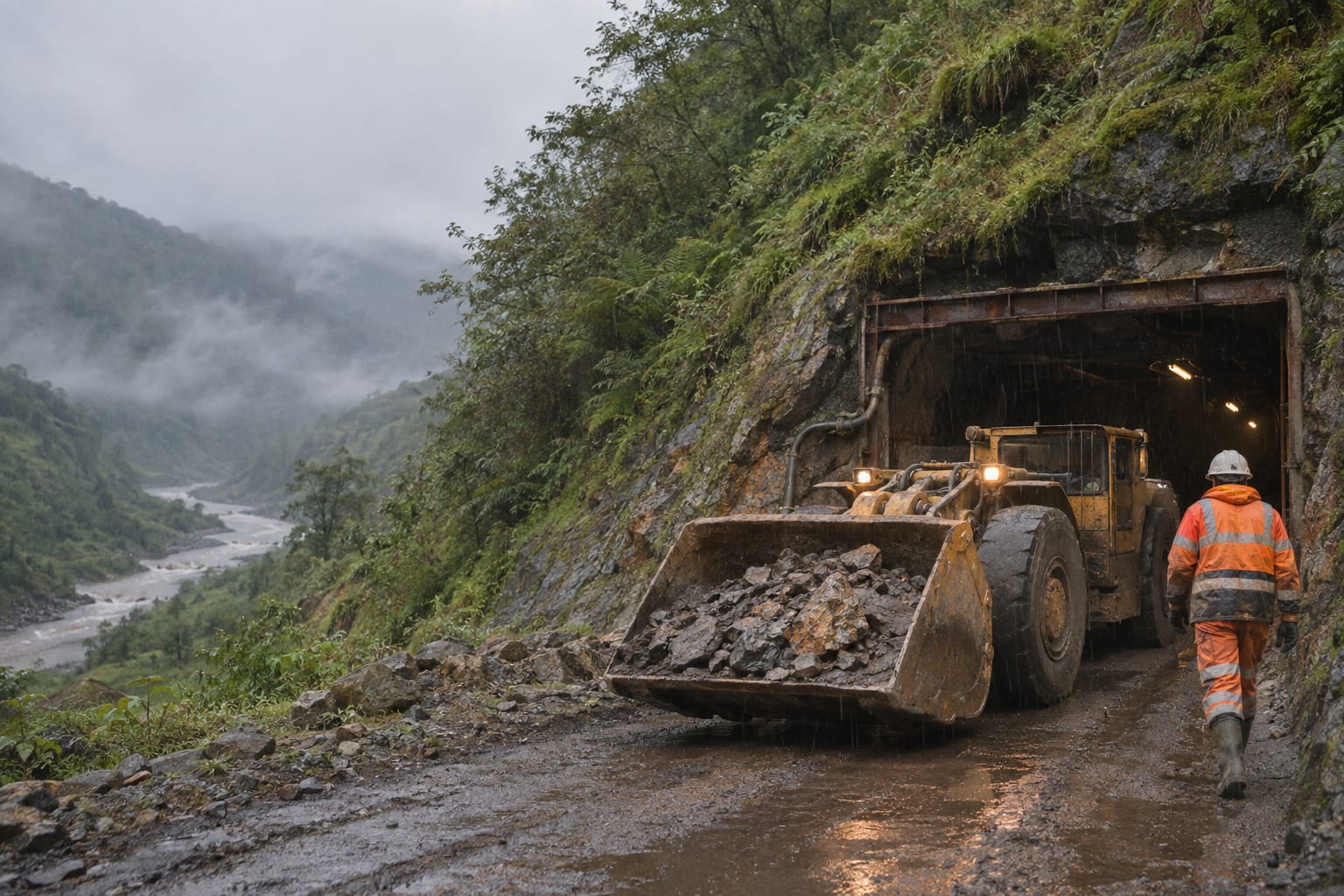
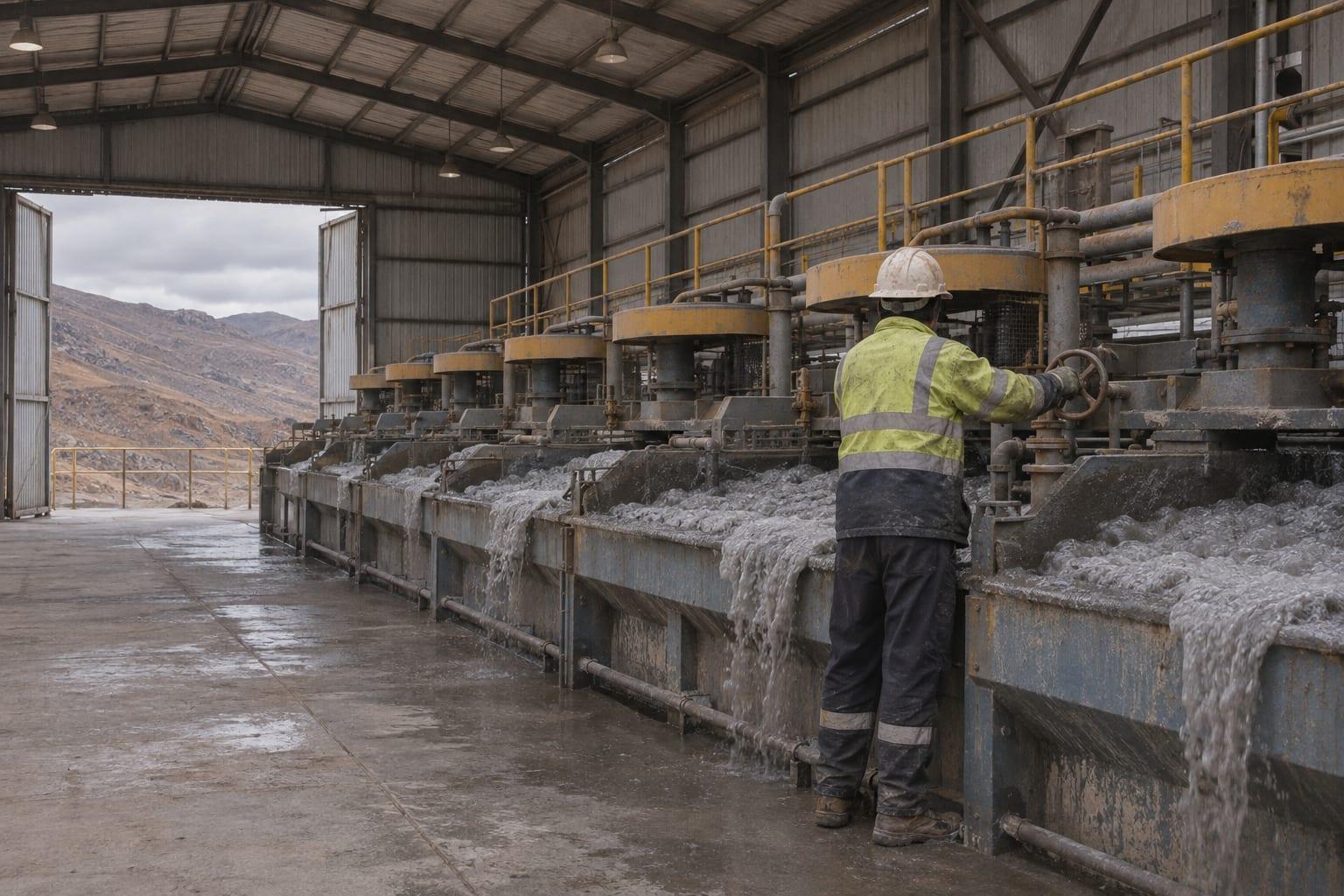
Orvana Minerals Corp. TSEORV OTCMKTSORVMF said on Wednesday it expects its Spanish operation to produce 27,000 to 31,000 ounces of gold in fiscal 2027, down from 37,775 ounces in the year ended in September. Its Bolivian plant at Don Mario, which began processing oxide ore in the fiscal fourth quarter, is guided to add 22,000 to 26,000 ounces of gold and 14 million to 16 million pounds of copper.
Shares were down 7.5 per cent at C$1.23 at 4:00 p.m. EST on Thursday in Toronto, according to the Google Finance quote page for TSEORV. The previous close was C$1.33 on Wednesday, and Thursday's volume of 102,260 shares was below the page's daily average of 136,640.
Orvana is a gold, copper and silver miner with the Orovalle operation in northern Spain, the Don Mario operation in Bolivia and the Taguas property in Argentina.
Revenue for the year to Sept. 30 rose to US$182.0 million from US$98.9 million, Orvana said in its results release. Income before taxes was US$49.3 million against a loss of US$7.8 million a year earlier, and comprehensive income came to US$33.6 million.
Cash stood at US$42.0 million on Sept. 30, while current liabilities rose to US$120.3 million from US$42.4 million a year earlier.
"Present focus is on delivering consistent operational performance and strengthening free cash flow across both operations," chief executive Juan Gavidia said in the release.
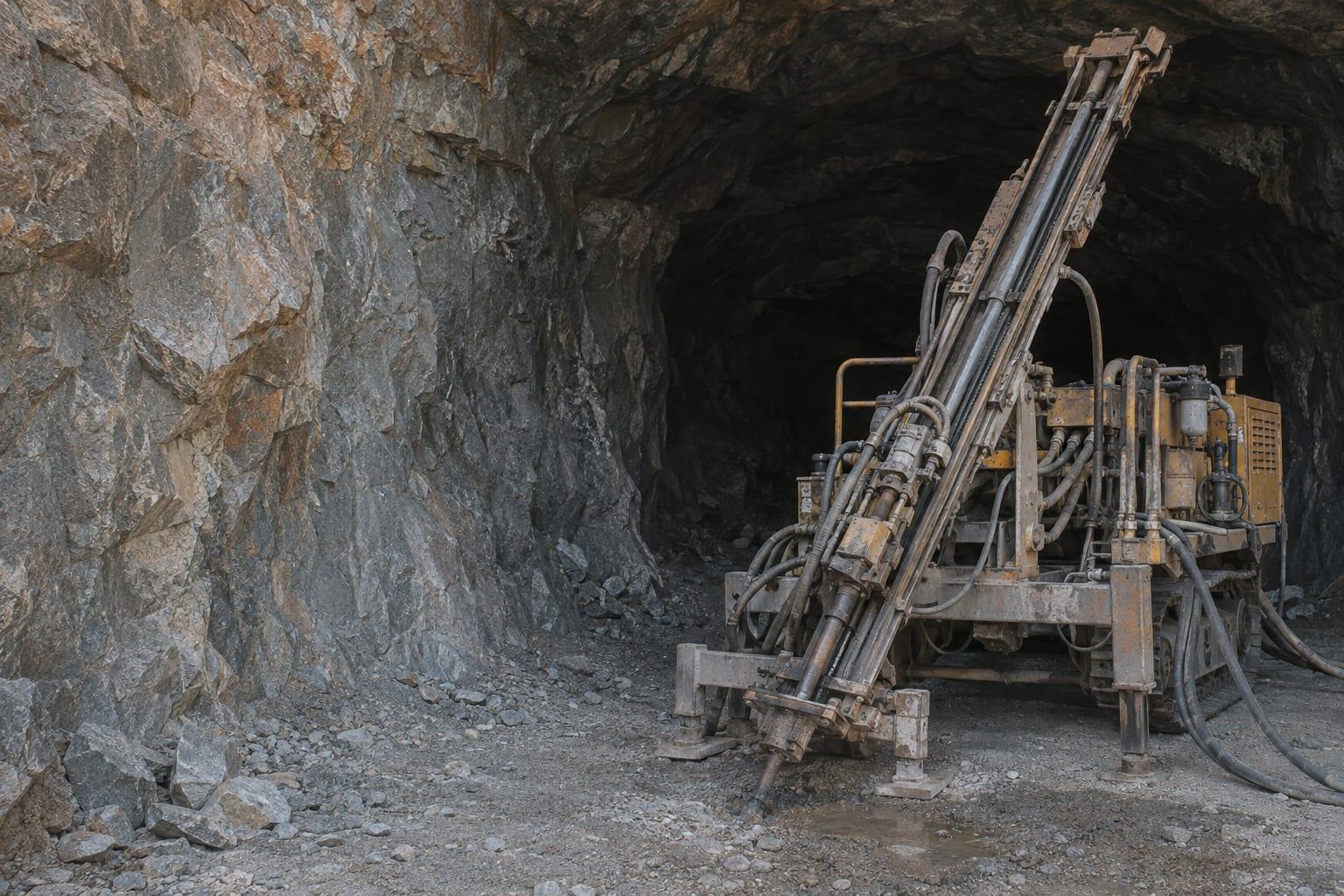
In Spain, Orvana guides by-product all-in sustaining costs of US$3,300 to US$3,800 an ounce of gold, against US$2,229 in fiscal 2026. Throughput is estimated at 475,000 tonnes, down from 519,000 tonnes, mainly because less skarn ore is available at the Boinás mine and the Carlés mine will prioritize the development needed to reach deeper levels.
Sustaining capital in Spain is guided at US$20 million to US$23 million, up from US$11.0 million in fiscal 2026. The Spanish cost guidance assumes copper at US$6.00 a pound, silver at US$55 an ounce and an average euro to US dollar exchange rate of 1.15.
Don Mario was running at about 1,300 tonnes a day as of Nov. 25, and Orvana targets its design capacity of about 1,700 tonnes a day by the end of December. Its gold all-in sustaining costs are guided at US$1,900 to US$2,200 an ounce on a co-product basis.
EMIPA, the Bolivian subsidiary, produced 1,597 ounces of gold and 411,274 pounds of copper in fiscal 2026, from plant testing and commissioning in the first half and the oxide ramp-up that began in the fiscal fourth quarter.
Read more: Silver X Mining posts US$1.7M loss as Recuperada ramp-up slips into 2027
At Taguas, Orvana plans about 19,500 metres of drilling from December 2026 to May 2027, on a preliminary budget of about US$15 million.
Bonds II Holders Are Due to Meet on Nov. 30
The financial covenant ratios on EMIPA's bonds were outside the required thresholds at June 30 and Sept. 30, so the subsidiary is in a cure period that runs through Dec. 8 and may be extended with bondholder approval.
Bonds I matured and were repaid in full on Nov. 7, so the cure period now applies only to Bonds II, which mature on Feb. 19, 2027 and were a current liability at Sept. 30. Any measure needs bondholder approval, and Orvana said there can be no assurance it will be obtained.
Bonds II holders are scheduled to meet on Nov. 30 to consider measures that could include amendments, waivers or an extension of the cure period.