NexGold reports new Goldboro assays as drilling program passes 76% completion
The latest results cover 3,591 metres from 85 reverse circulation holes drilled within the planned west pit
 Joseph Morton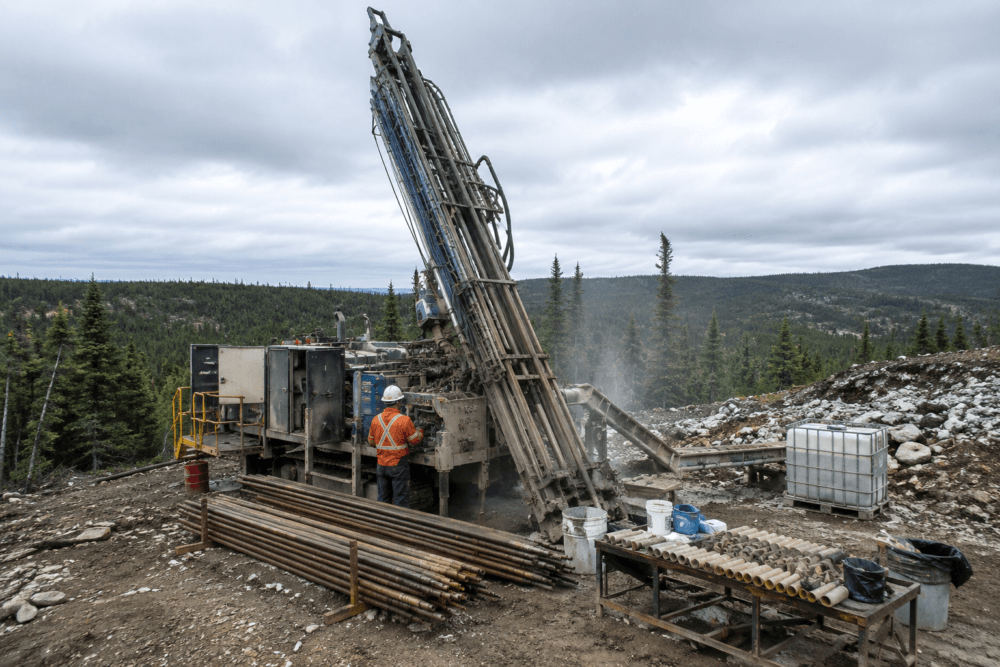
NexGold Mining Corp. (CVE: NEXG) (OTCMKTS: NXGCF) is expanding shallow drilling at its Goldboro Gold Project in Nova Scotia as it approaches a potential investment decision.
According to a Wednesday press release, the company said its 40,000-metre reverse circulation infill program has now passed 76 per cent completion.
NexGold increased the program from 30,000 metres after closing a CAD$10 million flow-through financing earlier this year. The company plans to use the additional drilling to better define gold resources near the surface of its proposed east and west pits. Those areas correspond with the opening years of the current mine plan, when early production would help recover development costs.
Additionally, NexGold is drilling on a nominal 12.5-metre spacing and to depths of about 50 metres. The tighter spacing gives geologists a more detailed picture of the deposit than the wider-spaced drilling previously completed across much of Goldboro. In simple terms, more closely spaced holes can reduce uncertainty about where the gold sits and how its grade changes underground.
The latest results cover 3,591 metres from 85 reverse circulation holes drilled within the planned west pit. NexGold said the holes encountered mineralization that matched its existing geological model for Goldboro. Furthermore, the company said the new results showed similar gold grades and mineralized thicknesses to nearby historical diamond drilling.
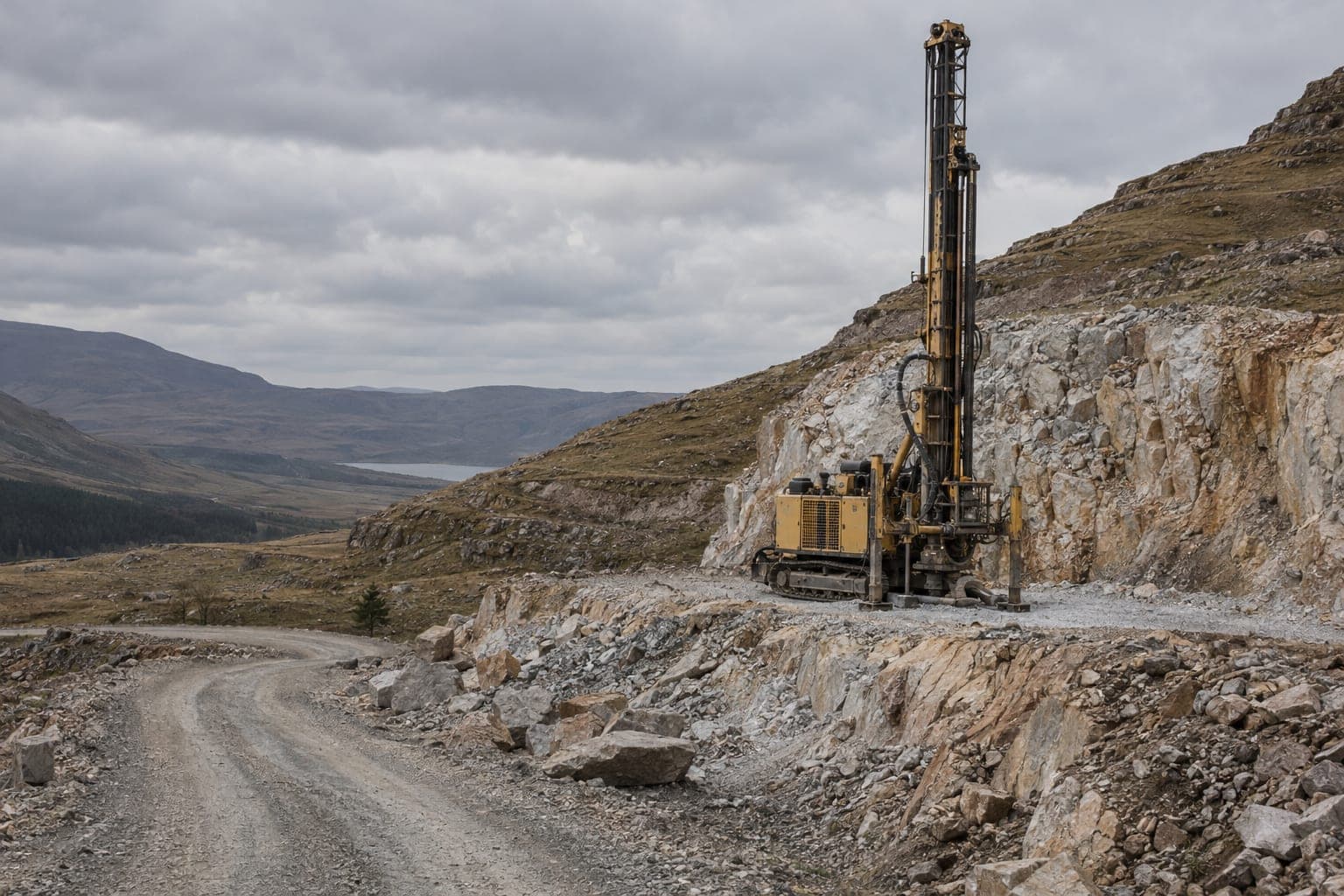
Reverse circulation drilling uses compressed air to bring broken rock chips from the drill hole to the surface for sampling. Unlike diamond drilling, which removes intact cylinders of rock, the technique produces chips that geologists analyze for mineral content.
Read more: NevGold appoints Nevada government affairs veteran Scott Bensing to board
Read more: NevGold pushes toward potential 2027 antimony production at Limousine Butte
NexGold concentrating on shallow resources
However, NexGold chose the method partly because it more closely resembles the production drilling expected during mining. That could give the company useful information about dilution, when waste rock mixes with ore and lowers the material’s average gold grade.
The program is designed to produce a dense dataset around portions of the deposit expected to enter production first. NexGold will combine those results with more than 180,000 metres of existing diamond drill information collected at Goldboro. In addition, the company wants the data to support future evaluations of whether some resources could receive a higher confidence classification.
Goldboro currently contains areas classified as Indicated resources, meaning geological evidence provides reasonable confidence in their estimated quantity, grade and geological characteristics. A Measured classification carries greater geological confidence because companies have gathered enough detailed information to characterize the mineralization more precisely. Consequently, NexGold is testing whether denser drilling could eventually support upgrades from Indicated to Measured in targeted areas.
The company is concentrating particularly on shallow resources inside the west and east pit designs. Those ounces matter because the current mine plan expects to extract them during Goldboro’s early operating years. Meanwhile, the central part of the west pit is scheduled to contribute material during the initial years of mining. The company said recent assays continue to support its expectations for the location, grade and thickness of mineralization there.
Read more: NevGold reports more positive drill results as gold-antimony resource estimate nears
Read more: NevGold positions Nevada project for near-term antimony output
Program expected to continue through Q3
NexGold is also advancing an updated feasibility study that it expects to complete later this year. A feasibility study examines whether a proposed mine can work technically and economically using engineering, resource estimates. Additionally, management expects the drilling information to help evaluate a final investment decision for Goldboro later in 2026.
The current infill results may feed into future mineral resource estimates prepared after the updated feasibility study. However, NexGold has not said the present drilling will automatically result in resource classification upgrades. Any future changes would depend on geological interpretation, drilling density, assay results and the standards used for mineral resource reporting.
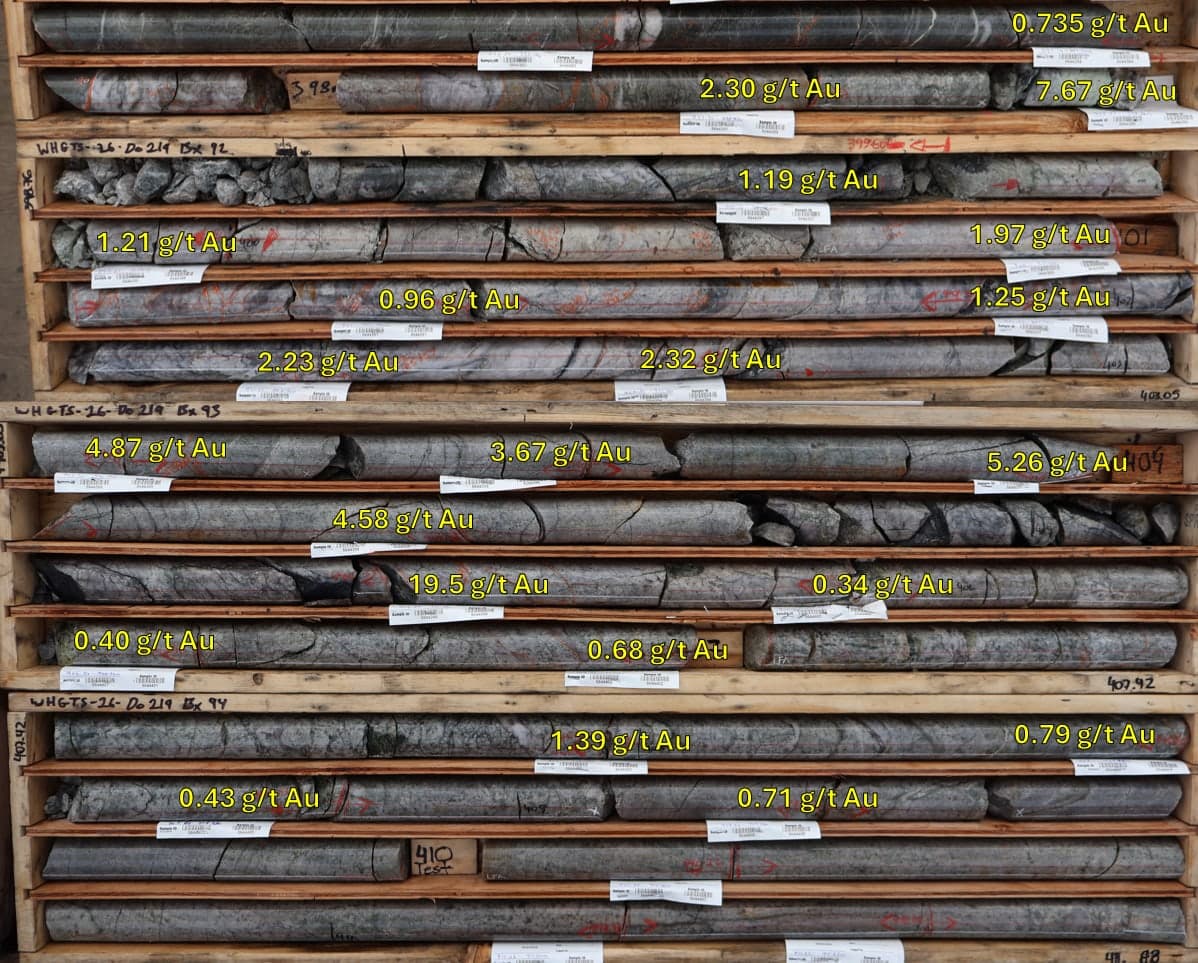
A few highlights include:
5.26 g/t Au over 7.0 m (from 41.0 m to 48.0 m), including 31.29 g/t Au over 1.0 m (from 44.0 to 45.0 m) in drill hole RC-26-226;
7.08 g/t Au over 5.0 m (from 9.0 m to 14.0 m), including 25.11 g/t Au over 1.0 m in drill hole RC-26-195;
14.97 g/t Au over 2.0 m (from 38.0 m to 40.0 m), including 29.62 g/t Au over 1.0 m and 0.90 g/t Au over 11.0 m (from 25.0 m to 36.0 m) in drill hole RC-26-163;
5.42 g/t Au over 3.0 m (from 36.0 m to 39.0 m), including 15.69 g/t Au over 1.0 m, 5.10 g/t Au over 1.0 m (from 7.0 m to 8.0 m) and 1.09 g/t Au over 9.0 m (from 25.0 m to 34.0 m) in drill hole RC-26-168;
1.10 g/t Au over 10.0 m (from 7.0 m to 17.0 m) and 2.44 g/t Au over 4.0 m (from 33.0 m to 37.0 m) in drill hole RC-26-223;
The reverse circulation program is expected to continue throughout the third quarter of 2026 as crews complete the expanded 40,000-metre campaign. Further assay updates will depend on drilling progress and laboratory turnaround times.