NANO Nuclear Energy signs three-year engineering agreement with IMPSA
An initial study is estimated at six months; NANO disclosed no retainer amount, fabrication price or component delivery date.
 Ines Halvorsen
A three-year engineering framework announced on Wednesday gives NANO Nuclear Energy Inc. NASDAQNNE access to component-design and manufacturing expertise for its KRONOS MMR reactor. The initial program is estimated at 6 months and carries a retainer, but NANO disclosed no fee or total payment commitment.
The counterparty is the U.S. subsidiary of IMPSA, an Argentine heavy-equipment manufacturer. NANO's Oct. 21 release describes the agreement as non-exclusive and identifies a design review and manufacturability feasibility study as the starting work.
Future fabrication depends on the engineering results, applicable regulatory requirements and, where required, additional work orders or definitive agreements. The announcement gives no component-shipment or reactor-operation date.
NANO shares NASDAQNNE were US$12.96 on Nasdaq at 4 p.m. EDT on Tuesday, before the announcement, according to Google Finance.
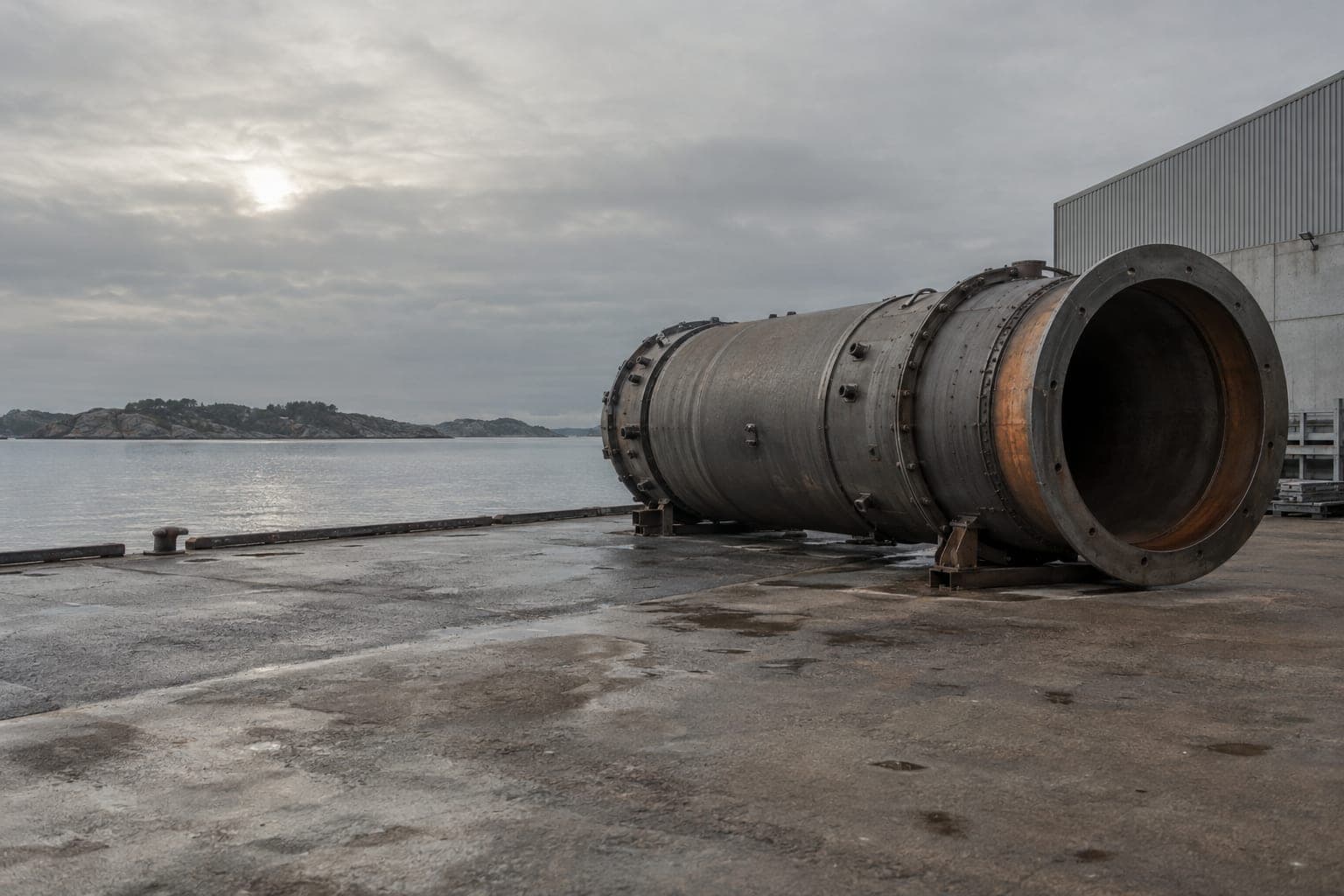
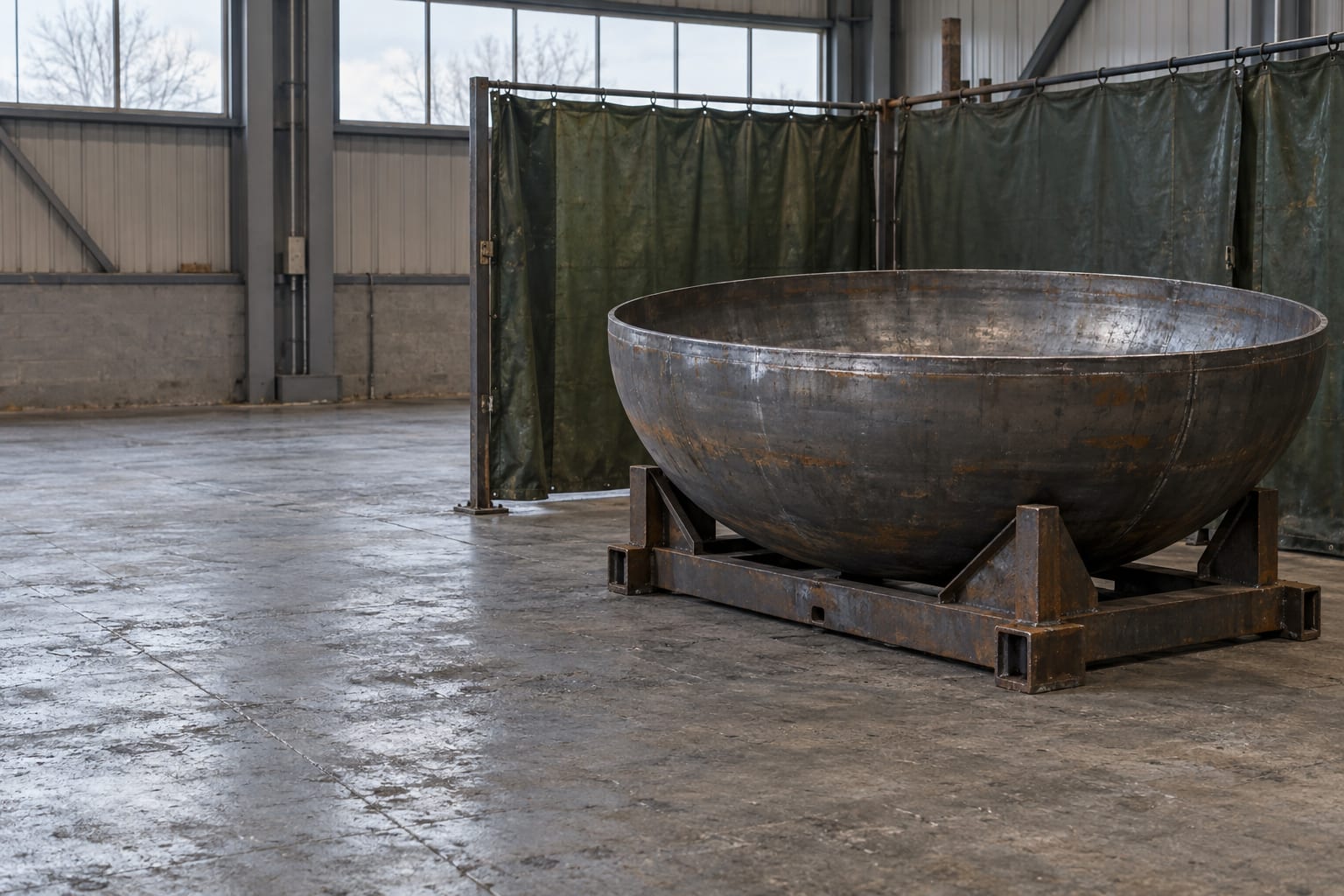
The pressure vessel is the principal component identified for evaluation. Cooling systems for the reactor cavity, spent-fuel storage systems and additional reactor and transportation components are further potential areas of collaboration.
The announcement establishes an engineering relationship but does not quantify a fabrication order book or minimum component purchases. It also leaves undisclosed the retainer's payment schedule, cancellation terms and financial penalties for missed milestones.
The three-year term covers the services framework, while the six-month estimate applies to the initial study. NANO’s release does not include the signed agreement or a work order setting out binding deliverables.
"Advanced reactors have to move from drawings and calculations to modular components that can be manufactured repeatedly, inspected, qualified and assembled," NANO chief executive James Walker said in Wednesday's release.
The Initial Study Tests Manufacturability
IMPSA's expected work includes an independent review against applicable ASME Boiler and Pressure Vessel Code Section III requirements. The study aims to identify fabrication constraints, inspection limitations, accessibility problems and supply-chain risks before manufacturing. Pressure-vessel engineering, welding, non-destructive examination and quality assurance are among the capabilities the framework covers.
Detailed engineering, fabrication drawings, code-compliant calculations and three-dimensional models may be added as NANO requires. The release describes these as potential extensions of the work, without a fixed list of deliverables or acceptance dates.
IMPSA's own nuclear-equipment page describes pressure-vessel design and fabrication work for Argentina's CAREM reactor and steam-generator work at Embalse. That manufacturing experience is the expertise NANO is seeking to bring into its design process.
Nuclear equipment is also drawing investment through acquisitions. Centrus Energy Corp. NYSELEU reported that it bought equipment manufacturer Westerman Holdings, LLC for approximately US$116 million on Oct. 16.
Read more: Centrus Energy adds Westerman in US$116M cash and stock purchase
The U.S. Nuclear Regulatory Commission's Sept. 14 status page describes the proposed Illinois KRONOS installation as a 45-megawatt thermal research reactor. The University of Illinois Urbana-Champaign submitted its construction-permit application on March 31, and the agency says review activities are under way.
The NRC targets May 2027 for the final environmental assessment and September 2027 for the final safety evaluation. The next dated regulatory milestones are its draft safety evaluation and draft environmental assessment, both targeted for February 2027.